
Tue Jan 13 04:07:00 UTC 2026: ### Headline: Taliban Appoints Senior Official to Indian Embassy, Signaling Deepening Engagement Amid Regional Tensions
The Story:
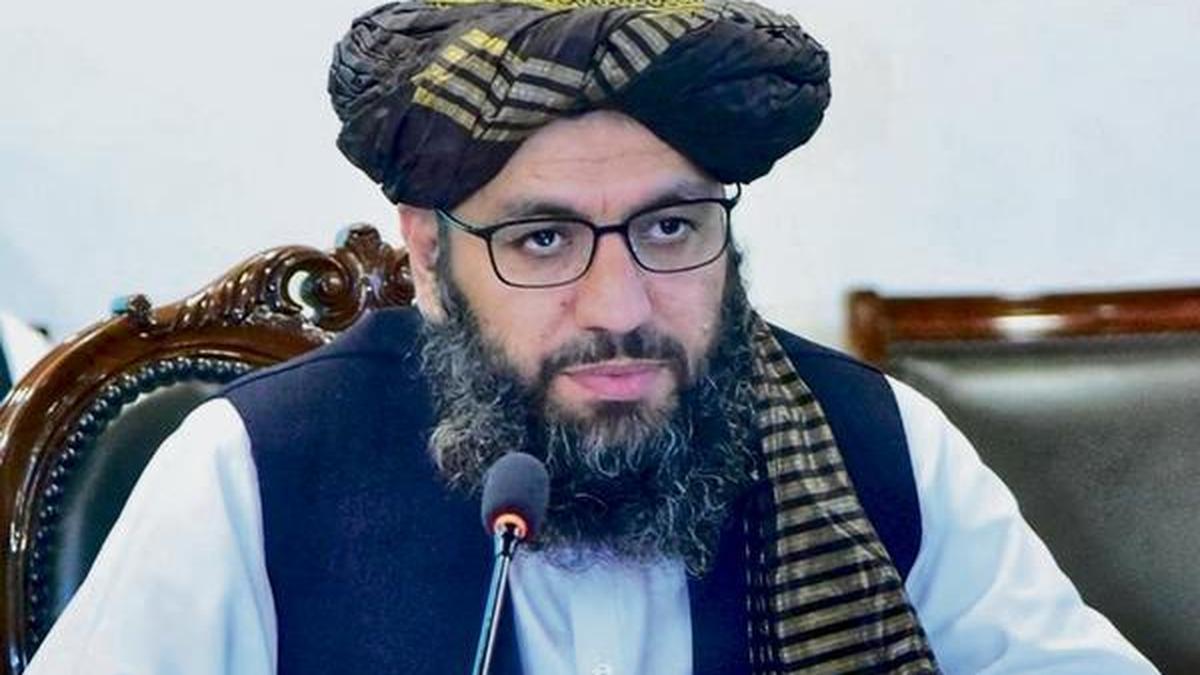
On January 13, 2026, the Taliban government of Afghanistan announced the appointment of Mufti Noor Ahmad Noor, a senior official from their Ministry of Foreign Affairs, as the charge d’affaires at their embassy in New Delhi. This marks the first senior Taliban appointment in India since the group regained power in 2021. While India has not officially recognized the Taliban government, this move signifies a growing engagement between the two nations, with India seemingly aiming to leverage divisions between the Taliban and Pakistan.
The Afghan Embassy confirmed the appointment and indicated that Mufti Noor Ahmad Noor has already met with Indian officials, including a senior Foreign Ministry official, Anand Prakash. Both parties reportedly emphasized the importance of strengthening Afghanistan-India relations. This development is significant for the Taliban, as it seeks international legitimacy and control over its overseas diplomatic missions. India had previously announced plans in October 2025 to upgrade its technical mission in Afghanistan to a full embassy.
Key Points:
- Mufti Noor Ahmad Noor appointed as Taliban’s charge d’affaires in New Delhi on January 13, 2026.
- India has not officially recognized the Taliban government but is engaging with them.
- The move indicates a potential strategy by India to exploit divisions between the Taliban and Pakistan.
- Meetings have already taken place between Mufti Noor Ahmad Noor and Indian Foreign Ministry official Anand Prakash.
- India plans to upgrade its technical mission in Afghanistan to a full embassy.
- Russia is currently the only country to officially recognise the Afghan Taliban Government.
Critical Analysis:
The decision to appoint an official to the Indian embassy, coupled with India’s acceptance of this appointment, hints at a complex geopolitical strategy. With the backdrop of the May 2025 clash between India and Pakistan, it suggests India is seeking to diversify its relationships in the region and potentially use Afghanistan as a counterweight to Pakistani influence. The Taliban, in turn, is seeking international legitimacy and sees India as a crucial player in achieving this goal.
Key Takeaways:
- The appointment signals a shift in India’s approach towards the Taliban, moving from cautious observation to active engagement.
- Regional power dynamics, particularly the rivalry between India and Pakistan, are significantly influencing this evolving relationship.
- The Taliban’s pursuit of international recognition is a key driver behind their diplomatic efforts.
- India’s upgrading of its mission in Afghanistan to a full embassy further solidifies its commitment to engagement.
Impact Analysis:
This deepening engagement between India and the Taliban could have long-term implications for regional stability and security. If successful, it could provide India with a strategic advantage in Afghanistan and potentially reduce Pakistan’s influence. However, it also carries the risk of alienating other regional actors and could further complicate the already complex political landscape. Furthermore, the internal stability of Afghanistan and the Taliban’s adherence to international norms will heavily influence the success and sustainability of this engagement.
 First Piper