
Mon Jan 12 09:25:17 UTC 2026: ### Landmark Genocide Case Against Myanmar Opens at ICJ
The Story:
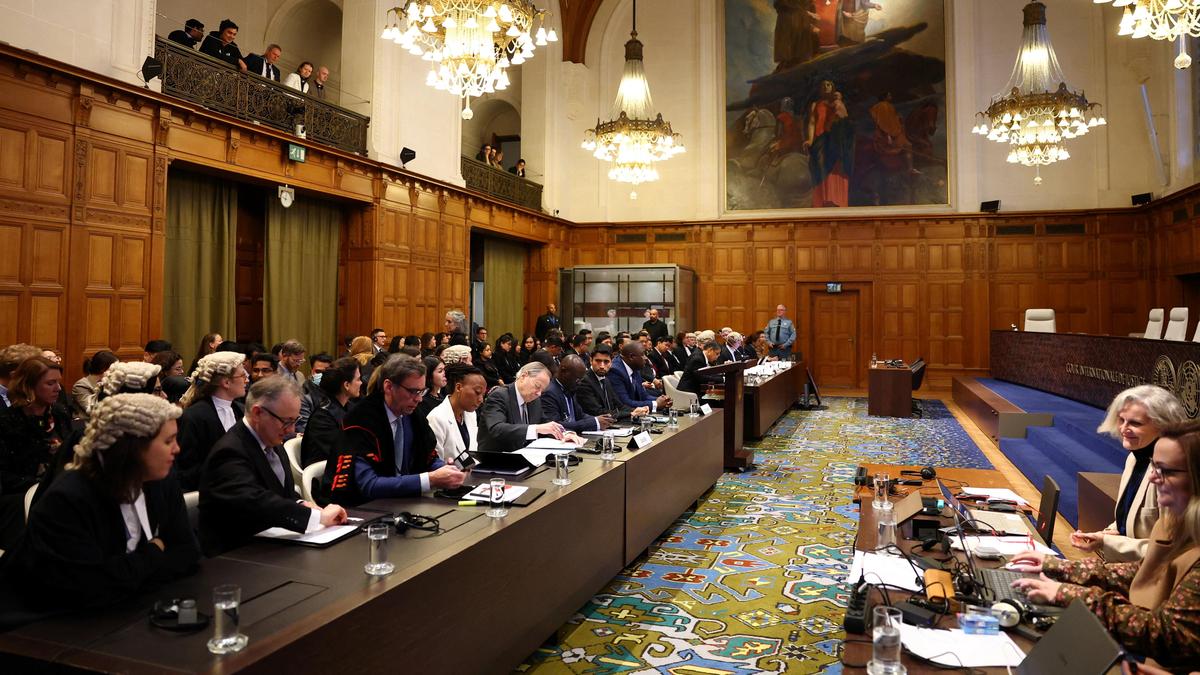
The International Court of Justice (ICJ) commenced hearings on Monday, January 12, 2026, in a case brought by Gambia against Myanmar, accusing the latter of committing genocide against the Rohingya Muslim minority. This is the first full genocide case the ICJ has heard in over a decade and carries significant implications for international law, particularly regarding the definition, proof, and remedy of genocide. The outcome is also expected to influence South Africa’s ongoing genocide case against Israel concerning the conflict in Gaza. Myanmar denies the accusations.
The case stems from a 2017 military offensive by Myanmar’s armed forces that forced over 730,000 Rohingya to flee to Bangladesh, where they reported widespread atrocities. A U.N. fact-finding mission concluded that the offensive included “genocidal acts.” Rohingya victims expressed hope that the ICJ proceedings will deliver justice and hold Myanmar accountable.
Key Points:
- The ICJ began hearings on January 12, 2026, in a genocide case brought by Gambia against Myanmar concerning the Rohingya Muslim minority.
- The case marks the first full genocide case heard by the ICJ in over a decade.
- The outcome is expected to set precedents for defining, proving, and remedying genocide under international law, influencing other ongoing cases.
- The case originates from Myanmar’s 2017 military offensive that resulted in over 730,000 Rohingya fleeing to Bangladesh.
- Myanmar’s then leader, Aung San Suu Kyi, rejected Gambia’s accusations of genocide in 2019 preliminary hearings.
- Hearings will span three weeks.
Key Takeaways:
- The ICJ’s decision will significantly shape the interpretation and application of the Genocide Convention.
- The case highlights the ongoing plight of the Rohingya and the persistent challenges of holding states accountable for human rights abuses.
- The proceedings will likely influence international perceptions of Myanmar’s government and its human rights record, especially given the ongoing political turmoil since the 2021 coup.
- This case puts a spotlight on the role of international courts in addressing state-sponsored violence against vulnerable populations.
Impact Analysis:
The ICJ’s ruling will have long-term impacts on several fronts:
- International Law: The definition and evidence standards established by the ICJ will serve as a benchmark for future genocide cases, affecting how states and international bodies investigate and prosecute such crimes.
- Myanmar’s International Standing: A ruling against Myanmar could lead to further international sanctions and diplomatic isolation, particularly given the current military junta’s rule.
- Rohingya Community: A favorable outcome for Gambia could provide a sense of justice and potentially pave the way for reparations and safe repatriation of Rohingya refugees. However, the practical implementation of any remedies remains a significant challenge, given the ongoing instability in Myanmar.
- Global Human Rights Norms: The case reinforces the importance of international legal mechanisms in addressing mass atrocities and holding states accountable for protecting vulnerable populations. It will serve as a critical test of the effectiveness of international justice.
 First Piper