
Sun Jan 11 07:26:23 UTC 2026: # Netanyahu Administration Faces Scrutiny Over Image Manipulation
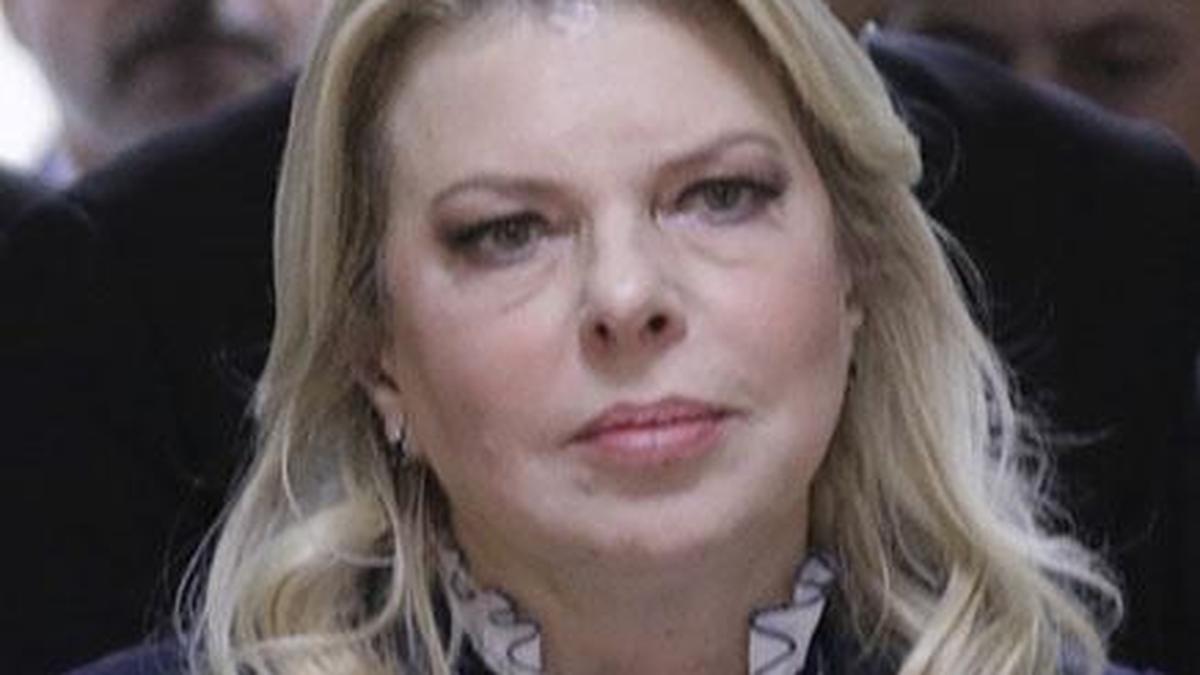
The Story: The Israeli government, led by Prime Minister Benjamin Netanyahu, is under fire for circulating heavily retouched images of his wife, Sara Netanyahu, in official government announcements. Critics argue that this practice distorts reality, violates ethical codes, and risks compromising official archiving and record-keeping. The government has responded by crediting Ms. Netanyahu in releases featuring manipulated images, but the controversy has led at least one news outlet to stop using official state photos.
Key Points:
- Official photos of Sara Netanyahu have been heavily retouched, smoothing her skin and removing wrinkles, as confirmed by digital forensics expert Hany Farid from the University of California, Berkeley.
- The manipulation was first noticed in July 2025 during a visit with then President Donald Trump in Washington, D.C.
- Nitzan Chen, director of the Government Press Office, stated that images of the Prime Minister are never manipulated.
- The Prime Minister’s official Instagram account has posted AI-edited or generated content, including a manipulated photo with Mr. Trump and Melania Trump celebrating the New Year in Washington.
- Tehilla Shwartz Altshuler, from the Israel Democracy Institute, describes the image manipulation as part of a “populist playbook,” emulating Mr. Trump’s use of similar tactics.
- The Times of Israel has announced it will no longer use official state photos that appear manipulated.
- Since November 2025, press releases showing photos of Sara Netanyahu include a label to note the retouching.
Critical Analysis: The scandal surrounding the manipulated images reflects a broader trend of blurring the lines between reality and manufactured image in the digital age, particularly within political contexts. It highlights the ethical challenges governments face when using image manipulation for public relations. The comparison drawn to Donald Trump’s strategies suggests a deliberate effort to cultivate a specific image, prioritizing presentation over authenticity.
Key Takeaways:
- The incident raises serious questions about the integrity of official government records and the responsibility of political figures to present accurate representations of themselves and their activities.
- The controversy highlights the increasing use of image manipulation and AI in political communication, raising concerns about the potential for deception and the erosion of public trust.
- Media outlets are beginning to take a stand against the dissemination of manipulated images, indicating a growing awareness of the ethical implications of such practices.
- The situation exemplifies the tension between personal image management and the public’s right to accurate information from government sources.
Impact Analysis: This event series has potential long-term implications for government transparency and public trust. The decision of news organizations to reject manipulated images could set a precedent for holding public figures accountable for their use of such tactics. The debate over archiving digitally altered images could reshape how historical records are maintained and interpreted in the future. The incident is likely to fuel further discussion about the ethical boundaries of image manipulation and the need for greater media literacy among the public.
 First Piper