
Mon Jan 12 11:10:00 UTC 2026: ### Autistic Barbie Joins Mattel’s Diversity Line, Aiming for Inclusive Representation
The Story:
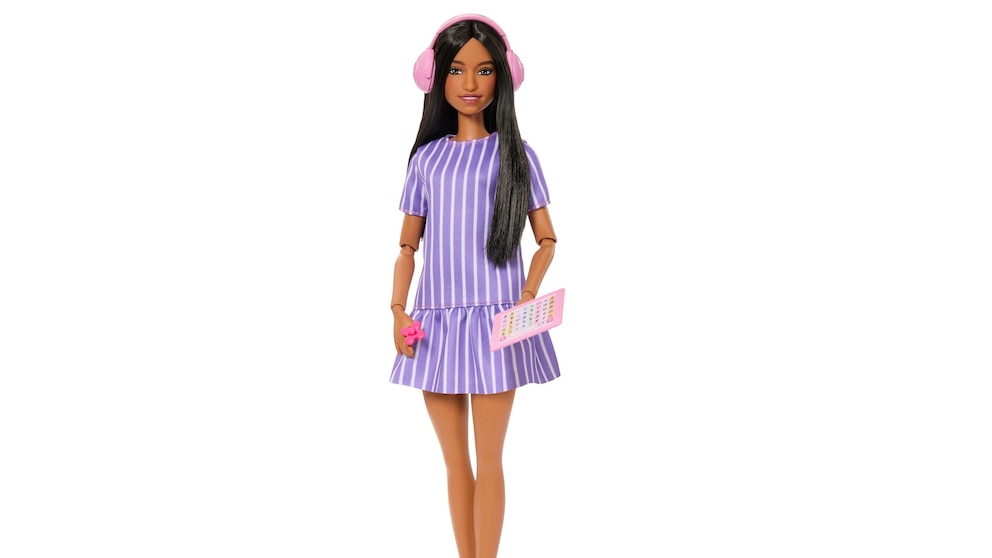
Mattel Inc. has unveiled its first autistic Barbie, the latest addition to its Fashionistas line designed to promote diversity and inclusion. The doll, developed in partnership with the Autistic Self Advocacy Network over 18 months, aims to reflect the diverse ways autistic individuals experience the world. The autistic Barbie joins other dolls representing individuals with Down syndrome, vitiligo, Type 1 diabetes, and physical disabilities, solidifying Mattel’s commitment to representing a broader spectrum of human experiences.
The design incorporates features intended to acknowledge the autistic experience, such as eyes that shift slightly to the side to represent avoidance of direct eye contact, articulated elbows and wrists to acknowledge stimming, and accessories like noise-canceling headphones and a pink tablet for communication. The doll’s design also considered sensory sensitivities by featuring an A-line dress with short sleeves and flat shoes. The design team also incorporated facial features inspired by Mattel’s employees in India.
Key Points:
- Mattel introduces an autistic Barbie doll as part of its Fashionistas line.
- The doll was developed in partnership with the Autistic Self Advocacy Network over 18 months.
- Design features include slightly shifted eyes, articulated joints, and accessories like noise-canceling headphones and a communication tablet.
- The doll’s design considered sensory sensitivities in clothing choices.
- The autistic Barbie also represents women of Indian background, an underrepresented segment of the autistic community.
- The doll is available at Mattel’s online shop and at Target stores for a suggested retail price of $11.87, with Walmart to follow in March.
- The Centers for Disease Control and Prevention reported in 2025 that the estimated prevalence of autism among 8-year-old children in the U.S. was 1 in 31.
Critical Analysis:
This move by Mattel is an effort to appeal to a broader consumer base by presenting themselves as socially responsible.
Key Takeaways:
- Mattel is actively expanding its diversity and inclusion initiatives.
- The autistic community was directly involved in the design process.
- Representation in toys is becoming increasingly important for children and families.
- Mattel is striving to represent underrepresented segments within specific communities.
- The design of the doll reflects a thoughtful approach to representing the autistic experience.
Impact Analysis:
The introduction of an autistic Barbie has several potential long-term impacts:
- Increased Awareness and Understanding: The doll can help raise awareness and understanding of autism among children and adults, fostering greater acceptance and empathy.
- Positive Representation: The doll provides positive representation for autistic children, allowing them to see themselves reflected in popular culture, which can boost self-esteem and confidence.
- Normalization of Differences: By including dolls with disabilities and other diverse characteristics, Mattel contributes to normalizing differences and promoting inclusivity.
- Market Influence: Mattel’s decision could influence other toy manufacturers to follow suit, leading to a more diverse range of toys available to children.
- Societal Impact: Over time, this increased representation could contribute to a more inclusive and accepting society for individuals with disabilities.
 First Piper