
Mon Jan 12 03:50:00 UTC 2026: # Auspicious Yogas Align with Makar Sankranti 2026, Marking Start of Uttarayan
The Story:
Makar Sankranti, a significant Hindu festival celebrating the transition of the Sun into the Makara (Capricorn) zodiac sign, will be observed on January 14, 2026. This marks the start of Uttarayan, the northward journey of the sun, considered an auspicious period in Hindu scriptures. The festival is celebrated under different names across India, including Uttarayan in Gujarat, Pongal in South India, and Khichdi in Eastern Uttar Pradesh.
This year’s Makar Sankranti is particularly notable due to the alignment of two auspicious yogas: Sarvartha Siddhi and Amrit Siddhi, beginning at 7:15 AM and lasting until 3:03 AM the following day. Auspicious activities like bathing, donation, and worship performed during these yogas are considered highly rewarding. The “Punya Kaal” for Makar Sankranti, a particularly meritorious time for rituals, will last for 2 hours and 32 minutes, starting at 3:13 PM and ending at 5:45 PM.
Key Points
- Makar Sankranti will be celebrated on January 14, 2026, as the Sun enters the Makara Rashi (Capricorn).
- The Sun’s entry occurs at 3:13 PM, marking the beginning of Uttarayan.
- Two auspicious yogas, Sarvartha Siddhi and Amrit Siddhi, will occur during the day, enhancing the benefits of rituals.
- The “Punya Kaal” (auspicious period) will last from 3:13 PM to 5:45 PM.
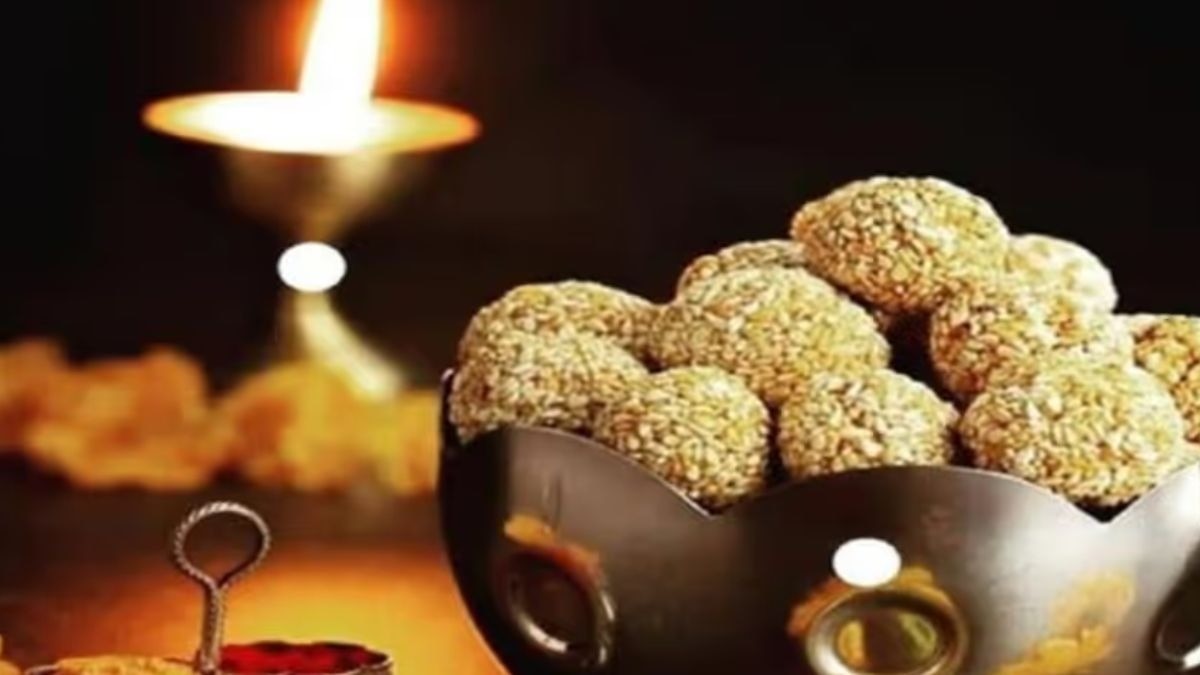
- Traditional practices include bathing in holy rivers, donating items like sesame seeds (til) and jaggery (gud), and worshipping the Sun.
Critical Analysis
There is no critical analysis applicable based on the provided context.
Key Takeaways
- Makar Sankranti 2026 is seen as a highly auspicious time due to the alignment of astrological events.
- The festival marks the transition to Uttarayan, a period considered favorable for new beginnings and spiritual pursuits.
- Rituals such as bathing and donation hold significant importance during this time, particularly during the “Punya Kaal” and under the influence of the Sarvartha Siddhi and Amrit Siddhi Yogas.
- The article highlights the cultural diversity of India by mentioning the different regional names and traditions associated with the festival.
Impact Analysis
There is no impact analysis applicable based on the provided context.
 First Piper