
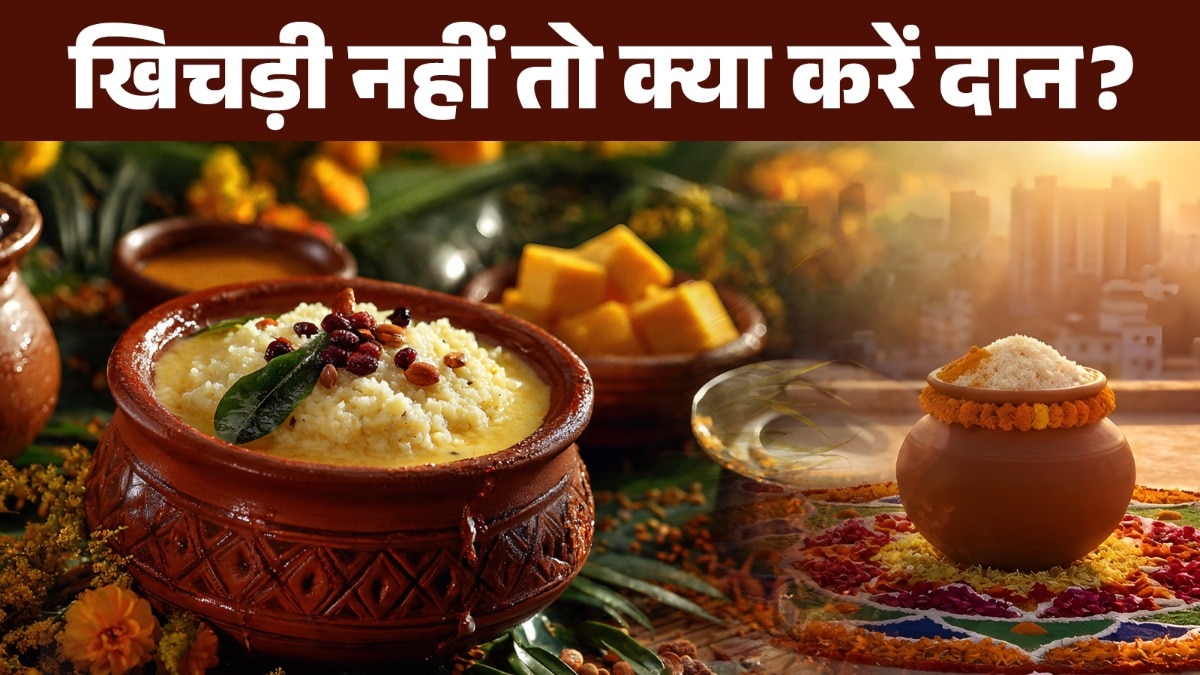
Mon Jan 12 03:50:00 UTC 2026: ### Headline: Rare Confluence of Makar Sankranti and Shatila Ekadashi in 2026 Creates Dilemma for Devotees
The Story:
In 2026, a rare alignment of the Hindu festivals of Makar Sankranti and Shatila Ekadashi is causing confusion among devotees. The primary issue stems from the tradition of donating and consuming Khichdi (a rice and lentil dish) on Makar Sankranti, which is considered auspicious for prosperity and good fortune. However, Shatila Ekadashi prohibits the consumption and donation of rice, creating a conflict for those observing both festivals on January 14, 2026. Religious scholars are advising devotees to observe Ekadashi rules and consider alternative donations or postpone the Khichdi donation to the following day.
Key Points:
- Makar Sankranti and Shatila Ekadashi: Both festivals fall on the same day, January 14, 2026.
- Khichdi Tradition: Donating and consuming Khichdi on Makar Sankranti is a long-standing tradition.
- Ekadashi Prohibition: Shatila Ekadashi prohibits the consumption and donation of rice.
- Devotee Confusion: People are uncertain whether to donate Khichdi due to the Ekadashi restrictions.
- Alternative Donations: Religious scholars suggest donating sesame seeds (til), jaggery (gur), wheat, barley, millet, warm clothes, blankets, or sweaters.
- Delayed Khichdi Donation: Khichdi donation can be postponed to January 15, 2026, the day after Ekadashi.
- Makar Sankranti Significance: Celebrates the entry of the sun into the Capricorn zodiac sign, marking the beginning of Uttarayan.
Key Takeaways:
- Cultural traditions and religious observances can sometimes conflict, requiring thoughtful navigation.
- Flexibility and adaptation within religious practices can maintain the spirit of the tradition while adhering to specific guidelines.
- Religious authorities play a role in interpreting and advising devotees during such conflicts.
- The importance of donation and charity remains central to both Makar Sankranti and Shatila Ekadashi.
- The timing of celestial events significantly impacts the practices and customs associated with religious festivals.
 First Piper