
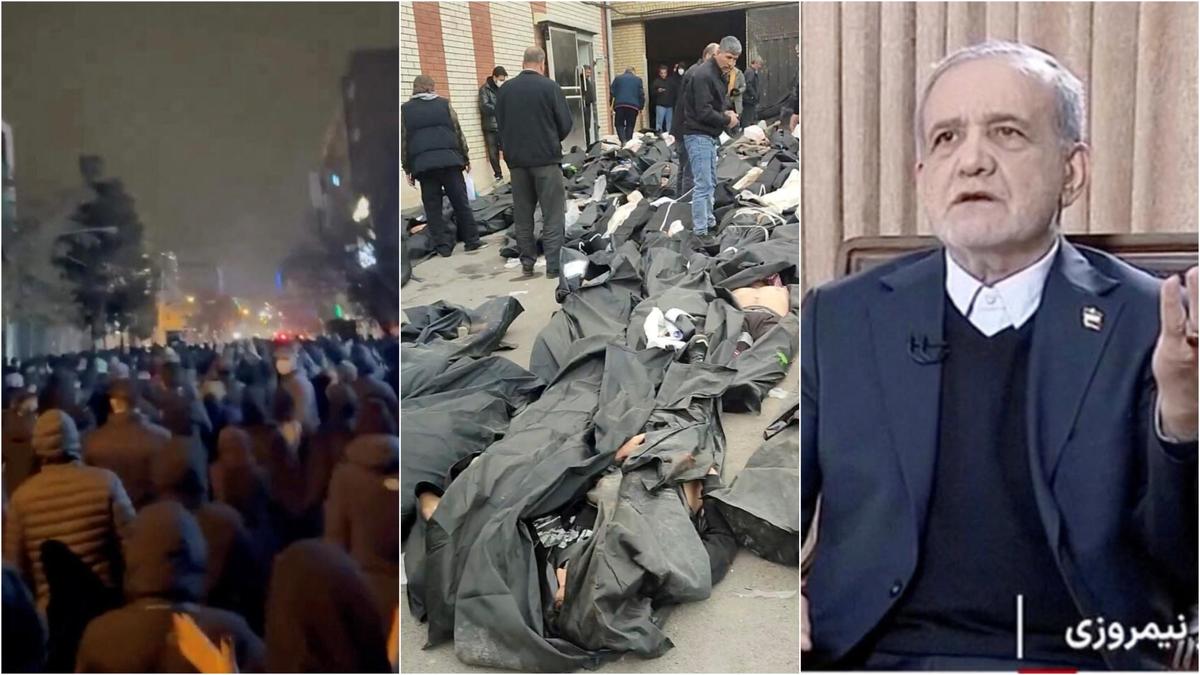
Sun Jan 11 23:17:55 UTC 2026: Headline: Iran Unrest Escalates as Death Toll Surpasses 500; Tehran Threatens U.S. Military Action
The Story:
Protests in Iran, ignited by rising prices on December 28, 2025, have intensified, resulting in a death toll exceeding 500 according to the U.S.-based rights group HRANA. The demonstrations, now targeting the clerical establishment, have drawn warnings from Iranian Parliament Speaker Mohammad Baqer Qalibaf, who threatened to target U.S. military bases and Israeli territory in the event of an attack on Iran. The situation is further complicated by potential U.S. intervention, with President Donald Trump considering options including military strikes, cyber warfare, and increased sanctions. Iran accuses the U.S. and Israel of inciting the unrest, a claim both nations deny.
Key Points:
- HRANA reports over 500 deaths (490 protesters, 48 security personnel) and over 10,600 arrests in two weeks.
- Trump administration is considering military and cyber options regarding Iran.
- Qalibaf threatens retaliation against U.S. and Israeli targets if Iran is attacked.
- Iran blames the U.S. and Israel for the protests, alleging “terrorist actions”.
- The protests began on December 28, 2025 due to economic grievances.
- Israel is on high alert, monitoring the situation and prepared to respond.
Critical Analysis:
This situation is happening because of a confluence of factors. Long-simmering economic discontent within Iran, exacerbated by international sanctions, created a volatile environment. This was then amplified by the presence of a bellicose Trump administration willing to intervene. Also, the weakened regional position of Iran, partially due to the fallout from the October 7th attacks and its allies struggles such as Hezbollah is also a contributing factor.
Key Takeaways:
- The unrest poses a significant challenge to the Iranian government, potentially weakening its internal stability.
- The threat of U.S. intervention raises the specter of a wider regional conflict.
- The involvement of external actors like the U.S. and Israel further complicates the situation, fueling mutual accusations and distrust.
- The protests highlight deep-seated grievances within Iranian society that extend beyond economic issues to include dissatisfaction with the clerical rule.
- The ongoing internet blackout hinders independent verification of events and contributes to the uncertainty surrounding the situation.
Impact Analysis:
- Regional Instability: Any U.S. military intervention in Iran will destabilize the entire Middle East.
- Increased International Tensions: The confrontational stance adopted by both Iran and the U.S. risks escalation into a larger global conflict.
- Domestic Political Shift in Iran: Regardless of the outcome of the protests, Iran’s internal political dynamics will likely undergo significant changes, potentially leading to reforms or a more authoritarian regime.
- Future of the JCPOA: The possibility of either side being drawn into armed conflict will effectively dissolve The Joint Comprehensive Plan of Action which could lead to an escalation in nuclear arms race.
 First Piper