
Mon Jan 12 08:16:12 UTC 2026: Headline: Haryana Human Rights Commission Condemns “Lackadaisical Approach” in Septic Tank Deaths Investigation
The Story:
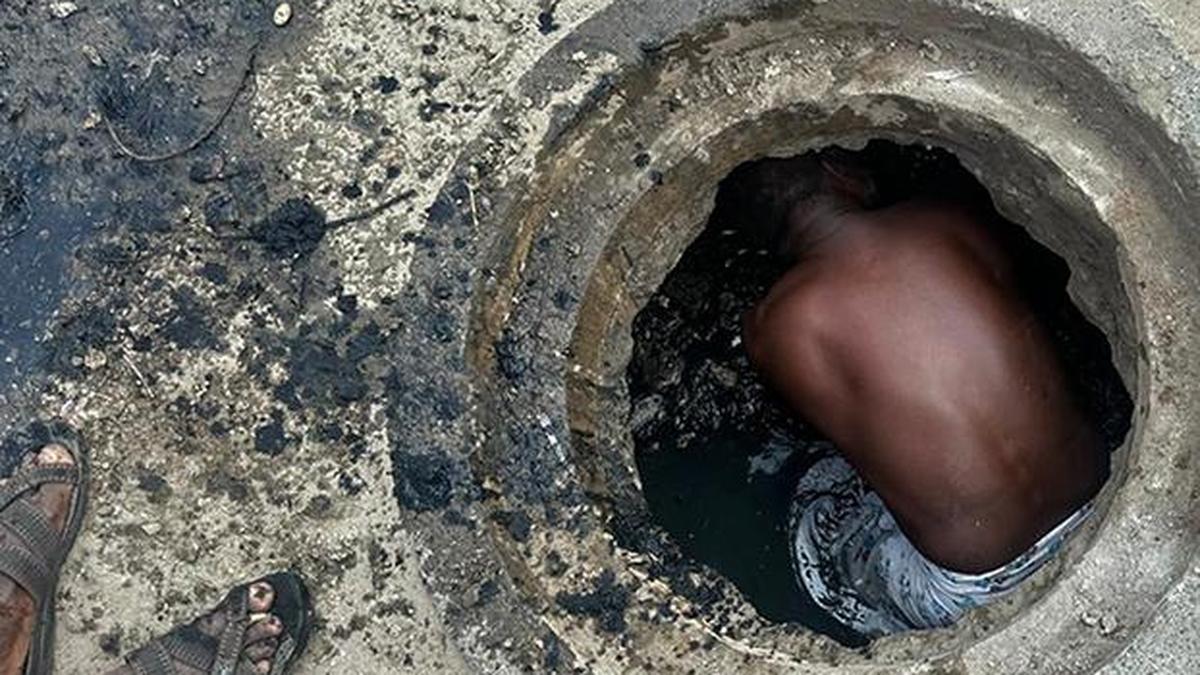
The Haryana Human Rights Commission (HHRC) has sharply criticized civic authorities for their handling of the investigation into the deaths of two workers in a septic tank in Hansi, Haryana in 2025. The Commission cited a “lackadaisical approach” and a violation of the right to life and dignity under Article 21 of the Constitution. The HHRC took suo motu cognizance after the workers allegedly died after being forced to enter a hotel’s septic tank without protective gear. The commission has demanded a detailed report, fixed accountability, and directed the appearance of key investigators before it.
Key Points:
- The HHRC took suo motu cognisance of the deaths of two workers in Hansi, Haryana who died in a septic tank.
- The Commission criticized the investigation’s slow pace and failure to fix responsibility, despite a cognizable offense being apparent.
- The HHRC cited violations of Article 21 of the Constitution and Supreme Court directives prohibiting manual sewer entry without safety gear, referencing the Safai Karamchari Andolan vs Union of India case.
- The Commission has directed the Investigating Officer, Hansi Deputy Superintendent of Police (Crime), and Deputy Commissioner to appear before it with records and reports.
- The municipal council/gram panchayat and the hotel management have been ordered to submit reports on the circumstances of the incident and compliance with safety regulations.
- A government audit revealed that workers had no safety gear in over 90% of sewer deaths.
Critical Analysis:
The HHRC’s intervention highlights a systemic failure to enforce existing laws and Supreme Court directives regarding manual scavenging. The continued occurrence of such incidents, despite legal prohibitions and judicial pronouncements, points to a deeply entrenched disregard for the safety and dignity of sanitation workers. The Commission’s strong language and directives suggest a determination to hold authorities accountable and address the root causes of this persistent problem.
Key Takeaways:
- Manual scavenging remains a persistent problem in India, despite legal bans and court orders.
- Enforcement of laws protecting sanitation workers is inadequate, leading to preventable deaths.
- The HHRC is taking a strong stance to hold authorities accountable for negligence and inaction.
- The case underscores the importance of providing adequate safety gear and training to sanitation workers.
- This incident highlights the need for systemic reforms to eliminate manual scavenging and ensure the dignity of sanitation workers.
Impact Analysis:
The HHRC’s intervention could have significant long-term implications. It could lead to:
- Increased scrutiny of safety practices in sanitation work.
- Stricter enforcement of laws prohibiting manual scavenging.
- Greater accountability for authorities responsible for the safety of sanitation workers.
- Increased awareness of the issue and advocacy for better protection of sanitation workers’ rights.
- Ultimately, a reduction in preventable deaths and injuries in sanitation work.
 First Piper