
Mon Jan 12 01:13:35 UTC 2026: ### Ceasefire Falters as Hamas Plans Government Transition Amidst Rising Tensions
The Story:
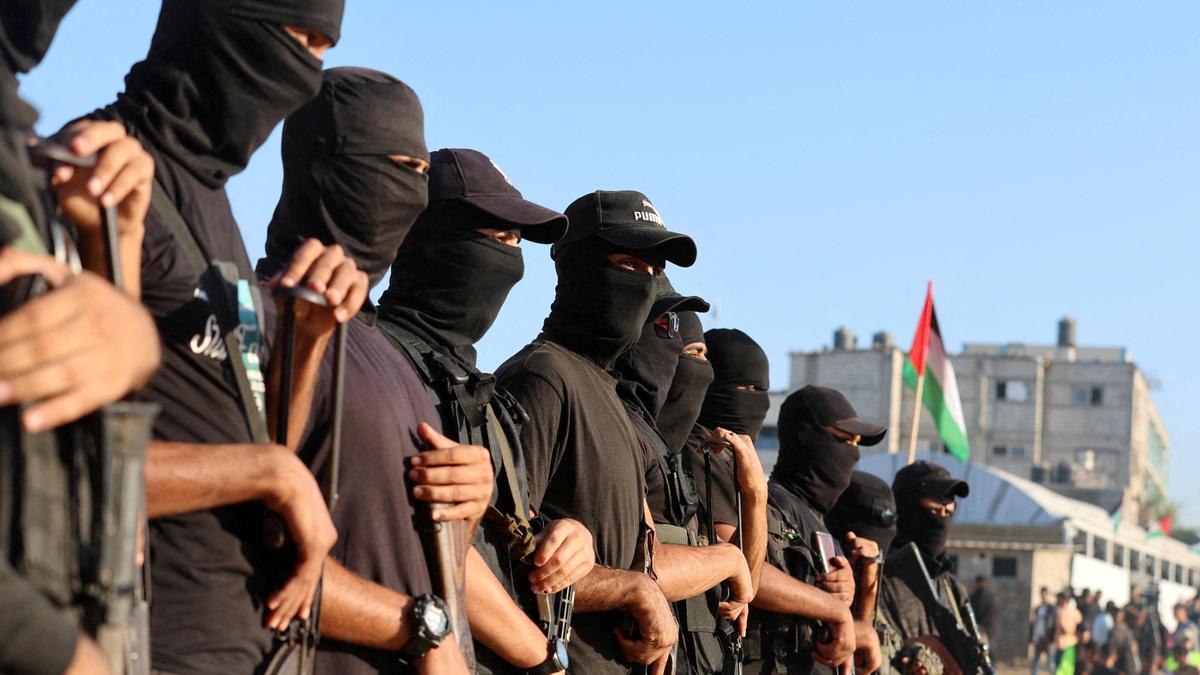
Hamas has announced plans to dissolve its existing government in Gaza and transition to a technocratic leadership committee, a move mandated under a U.S.-brokered peace plan. However, the implementation faces significant hurdles, including the selection and approval of technocrats by Israel and the U.S., as well as ongoing violence in Gaza. The ceasefire, which began on October 10, 2025, is showing signs of strain, with continued Israeli gunfire resulting in Palestinian deaths. Efforts to finalize the technocratic committee are underway, involving meetings between Hamas, other Palestinian factions, and officials from Egypt, Qatar, and Turkey. Meanwhile, questions arise within Israel itself, regarding political scandals and alleged obstruction of justice involving key figures in Prime Minister Benjamin Netanyahu’s office.
Key Points:
- Hamas intends to dissolve its Gaza government and transition to a technocratic committee as part of a U.S.-brokered peace plan.
- The selection and approval of technocrats by Israel and the U.S. remains a point of uncertainty.
- The “Board of Peace,” led by Mr. Trump, is supposed to oversee the transition, but its members have not been announced.
- Violence continues in Gaza, with Israeli gunfire resulting in Palestinian deaths, raising concerns about the ceasefire’s effectiveness.
- Nikolay Mladenov has been selected as the director-general of the “Board of Peace”.
- Prime Minister Netanyahu’s chief of staff, Tzachi Braverman, is under investigation for allegedly obstructing justice related to a leak of classified military information.
- Japan is taking an active role in monitoring the ceasefire.
Critical Analysis:
The timing of this event, occurring shortly after news suggesting potential U.S. military action against Iran and continued U.S. military control in Venezuela, reveals a broader pattern of persistent U.S. involvement in geopolitical hotspots. This could indicate that the “U.S.-brokered peace plan” has a more comprehensive strategic aim than simply resolving the Israel-Palestine conflict, potentially aiming to stabilize the region as a whole to facilitate other U.S. foreign policy objectives. The selection of a director-general for the board is a step forward, but that person has to deal with Israeli internal affairs, continued violence, and an unannounced board which complicates the situation.
Key Takeaways:
- The transition to a technocratic government in Gaza is a complex process fraught with potential obstacles and delays.
- The effectiveness of the ceasefire is questionable, given the ongoing violence and accusations of violations by both sides.
- Internal Israeli political scandals could undermine the peace process and further complicate the already tense situation.
- International involvement, particularly from Japan, signals a broader commitment to resolving the conflict and maintaining stability in the region.
- The lack of transparency and clarity surrounding the “Board of Peace” raises concerns about its ability to effectively oversee the transition and maintain the ceasefire.
Impact Analysis:
The success or failure of this transition will have significant long-term implications for the stability of the region. A successful transition to a functional, non-political government could pave the way for Gaza’s reconstruction and integration into a broader Palestinian state. However, failure could lead to renewed conflict and further entrenchment of existing divisions. The ongoing Israeli investigation into Mr. Netanyahu’s chief of staff could potentially destabilize the Israeli government, further complicating the peace process and potentially leading to a leadership change. The role of the international community, particularly the U.S. and Japan, will be crucial in ensuring the success of the transition and preventing a return to violence. The continued deaths during the ceasefire will likely increase internal pressure on Hamas and create new factions that could potentially undermine the power structure.
 First Piper