
Mon Jan 12 03:47:29 UTC 2026: # Banks Resist Transparency on Defaulters, NPAs Despite RBI Approval
The Story:
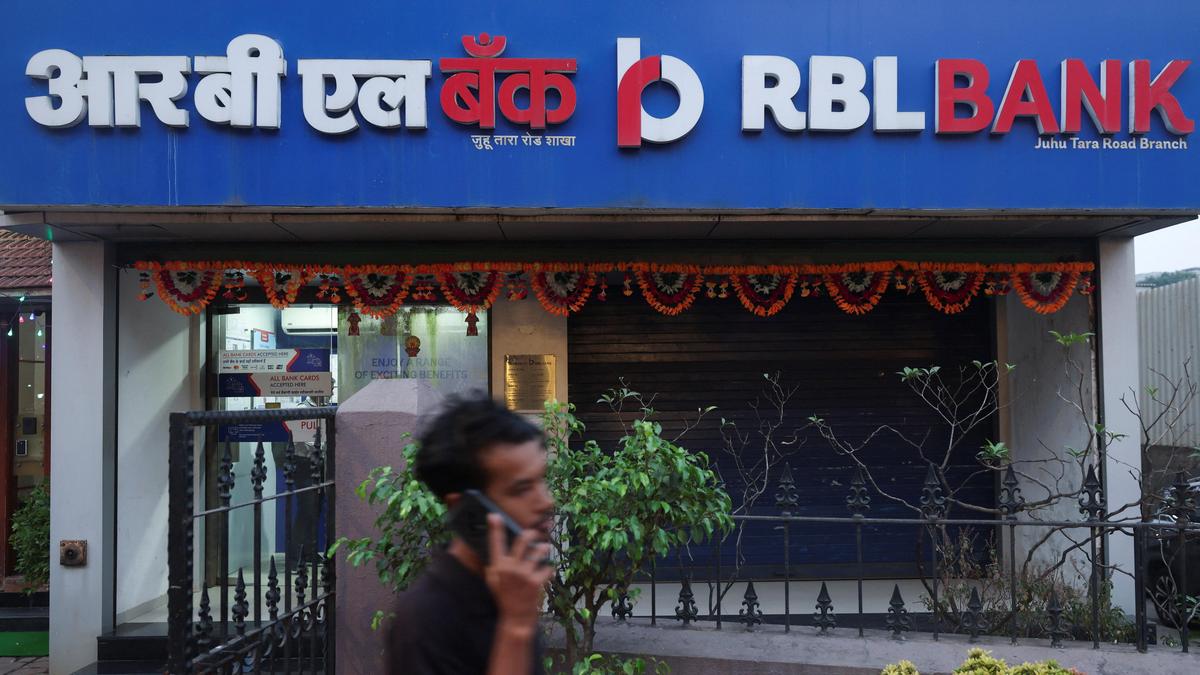
Four major Indian banks – Bank of Baroda, RBL Bank, Yes Bank, and State Bank of India – are challenging the disclosure of information related to defaulters, non-performing assets (NPAs), penalties, and inspection reports. These banks have approached the Central Information Commission (CIC) to prevent the release of this data, even though the Reserve Bank of India (RBI) has deemed the information disclosable under the Right to Information (RTI) Act. The banks argue that revealing this regulatory information would harm their commercial interests.
Key Points:
- The four banks, Bank of Baroda, RBL Bank, Yes Bank, and State Bank of India, are appealing to the CIC to block the disclosure of sensitive financial information.
- The requested information includes the list of defaulters and NPAs, penalties, and inspection reports.
- RTI applicants Dheeraj Mishra, Vathiraj, Girish Mittal and Radha Raman Tiwari sought information such as the top 100 NPAs, willful defaulters of Yes Bank, inspection report of SBI and RBL, and documents relating to a ₹4.34 crore penalty imposed on the Bank of Baroda.
- The RBI has stated that the requested information is liable to be disclosed under the RTI Act.
- Information Commissioner Khushwant Singh Sethi referred the matter to a larger bench of the CIC to adjudicate the issue.
Key Takeaways:
- The conflict highlights the ongoing tension between transparency in the banking sector and the banks’ desire to protect their commercial interests.
- The RBI’s support for disclosure suggests a commitment to accountability and public access to information.
- The CIC’s decision will have significant implications for the future of RTI requests related to the banking sector.
- The case raises questions about the extent to which regulatory information should be considered confidential when it impacts public interest.
 First Piper