
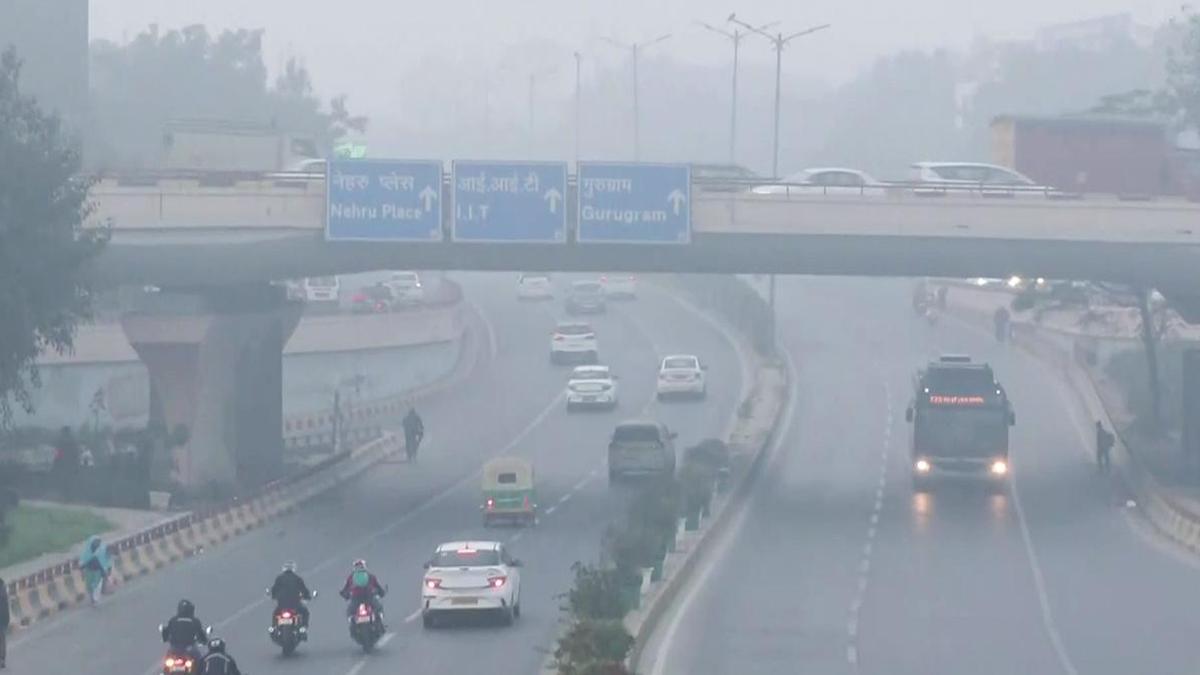
Mon Jan 12 05:58:55 UTC 2026: # Delhi Shivers Through Coldest Day Since 2023 Amidst Persistent Air Pollution
The Story:
New Delhi experienced intensely cold conditions on January 12, 2026, with minimum temperatures dipping to around 3 degrees Celsius at several weather stations, marking the coldest January day since 2023. The India Meteorological Department (IMD) reported that the Safdarjung Observatory, Delhi’s principal weather station, recorded a minimum temperature of 3.2℃, which was 4.2 notches below normal. Simultaneously, the city grapples with “poor” air quality, with several monitoring stations recording “very poor” conditions, further exacerbating the discomfort for residents.
Key Points:
- Delhi experienced a minimum temperature of around 3 degrees Celsius on January 12, 2026, the coldest since 2023.
- The Safdarjung Observatory recorded 3.2℃, 4.2 notches below normal.
- The IMD forecasts cold wave conditions to persist for the next two days.
- Delhi’s overall Air Quality Index (AQI) stood at 298, categorized as “poor”.
- Nehru Nagar recorded the worst air quality with an AQI of 344.
Key Takeaways:
- Delhi continues to experience significant temperature fluctuations and severe cold waves.
- Air pollution remains a persistent problem in Delhi, compounding the health risks associated with extreme weather.
- The need for continued monitoring and public health advisories during periods of extreme weather and poor air quality is critical.
- The event reinforces the vulnerability of Delhi’s population to environmental hazards.
Impact Analysis:
The simultaneous occurrence of extreme cold and poor air quality has several potential long-term implications:
- Increased Public Health Burden: The combination of cold and pollution can lead to a surge in respiratory illnesses, cardiovascular problems, and hypothermia cases, placing a strain on healthcare infrastructure.
- Economic Impact: Reduced outdoor activity and potential health issues can affect productivity and economic output, particularly for those reliant on outdoor labor.
- Policy and Infrastructure Adjustments: The events will likely reinforce the urgency for stronger environmental regulations and investment in public health infrastructure, including shelters for vulnerable populations and improved air quality monitoring and mitigation measures.
- Increased Public Awareness: The severity of these conditions may increase public awareness and demand for more effective measures to address both climate change and air pollution.
 First Piper