
Mon Jan 12 14:21:08 UTC 2026: ### Kogilu Demolition: BJP Committee Alleges Illegal Immigration, Faces Scrutiny
The Story:
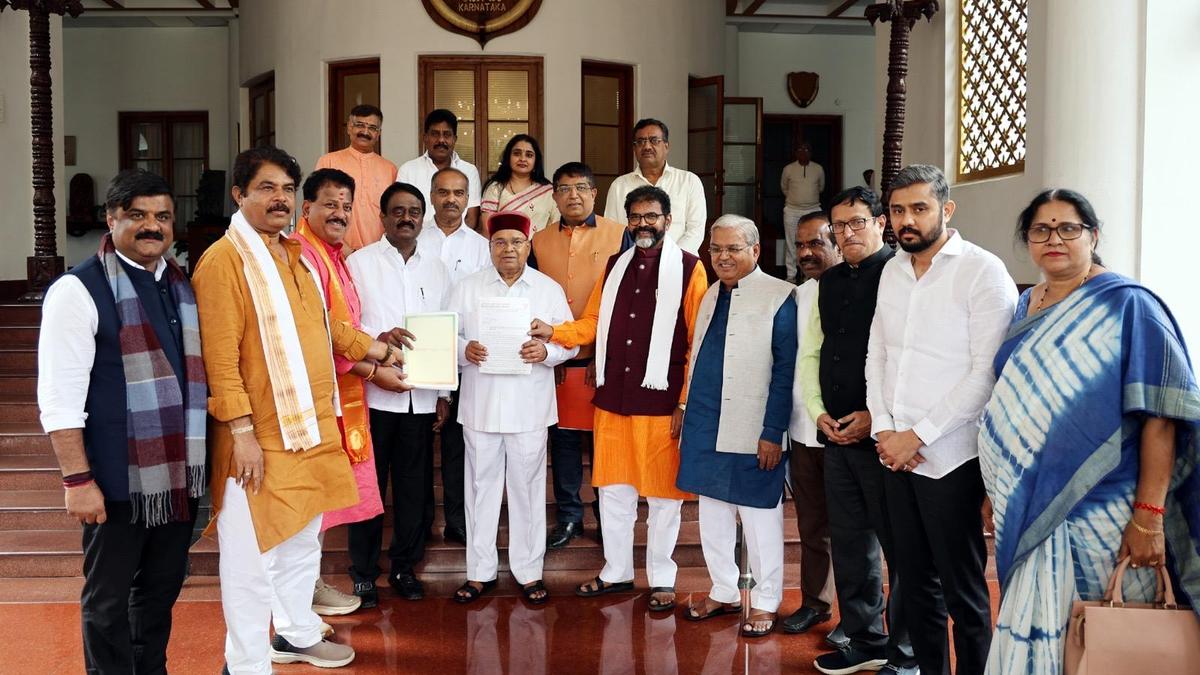
A BJP fact-finding committee, led by MLA S.R. Vishwanath, submitted a report regarding the demolition of homes in Kogilu Layout, Bengaluru. The committee alleged that many families displaced from Fakeer Colony and Waseem Layout are illegal immigrants from Bangladesh, though providing no conclusive evidence. The committee petitioned Governor Thaawarchand Gehlot to prevent the allotment of alternative housing to these “encroachers.” The report argues the families failed to provide adequate proof of residency and discrepancies exist between their Aadhaar card addresses and voter IDs.
The report further states that the families have allegedly obtained ration cards using falsified documents. While the committee highlights satellite images suggesting recent changes to the land (from 2018), no verification documents support claims of duplicate Aadhaar cards, though details have been sent to the Unique Identification Authority of India for verification. The committee argues against allocating houses under the Rajiv Gandhi Housing Scheme, warning of a potential precedent for future encroachment rehabilitation.
Key Points:
- BJP fact-finding committee alleges many families displaced from Kogilu Layout are Bangladeshi immigrants.
- No conclusive documents were provided to support the claim of illegal immigration.
- The committee is petitioning against providing alternative housing to the displaced families under the Rajiv Gandhi Housing Scheme.
- Discrepancies are alleged between Aadhaar card addresses and voter IDs.
- The committee sent Aadhaar details to the Unique Identification Authority of India for verification.
Critical Analysis:
The historical context includes news snippets related to caste-based hatred (January 12, 2026) and the politics of hatred behind changes to job schemes (January 12, 2026). These contexts suggests a pattern of using divisive identity politics, particularly targeting vulnerable or marginalized communities (such as Dalits or perceived immigrants), to achieve political goals. This tactic seems designed to polarize the electorate and consolidate support among certain demographics, even if it means potentially displacing or marginalizing others.
Key Takeaways:
- The BJP’s stance on the Kogilu demolition raises concerns about potential discrimination and xenophobia towards marginalized communities.
- The reliance on circumstantial evidence like satellite images and document discrepancies, without concrete proof of illegal immigration, could lead to unjust treatment of vulnerable residents.
- The event underscores the importance of due process and verification before labeling individuals as illegal immigrants and denying them essential housing.
- This issue reflects broader concerns about the use of identity politics and divisive rhetoric in contemporary Indian politics.
- The focus on Aadhaar card discrepancies highlights the potential for misuse of identification systems to target specific groups.
Impact Analysis:
The Kogilu demolition case and the BJP’s response could have several long-term implications:
- Erosion of Trust: The allegations of illegal immigration and document fraud, even without conclusive evidence, can erode trust between the government and marginalized communities.
- Legal Precedent: Denying housing under existing schemes sets a precedent that could impact future cases of displacement and rehabilitation, particularly for vulnerable populations.
- Social Polarization: The incident may further exacerbate existing social divisions and fuel xenophobia, impacting community relations and national cohesion.
- Policy Scrutiny: This situation could lead to increased scrutiny of policies related to urban development, housing, and immigration, potentially leading to reforms aimed at protecting the rights of marginalized communities.
- Political Ramifications: The handling of this issue could affect the BJP’s reputation and electoral prospects, particularly among minority groups and those concerned about social justice.
 First Piper