
Sun Jan 11 21:11:00 UTC 2026: ### Headline: Special Intensive Revision Disenfranchises Hundreds of Chinese Electors in Kolkata
The Story
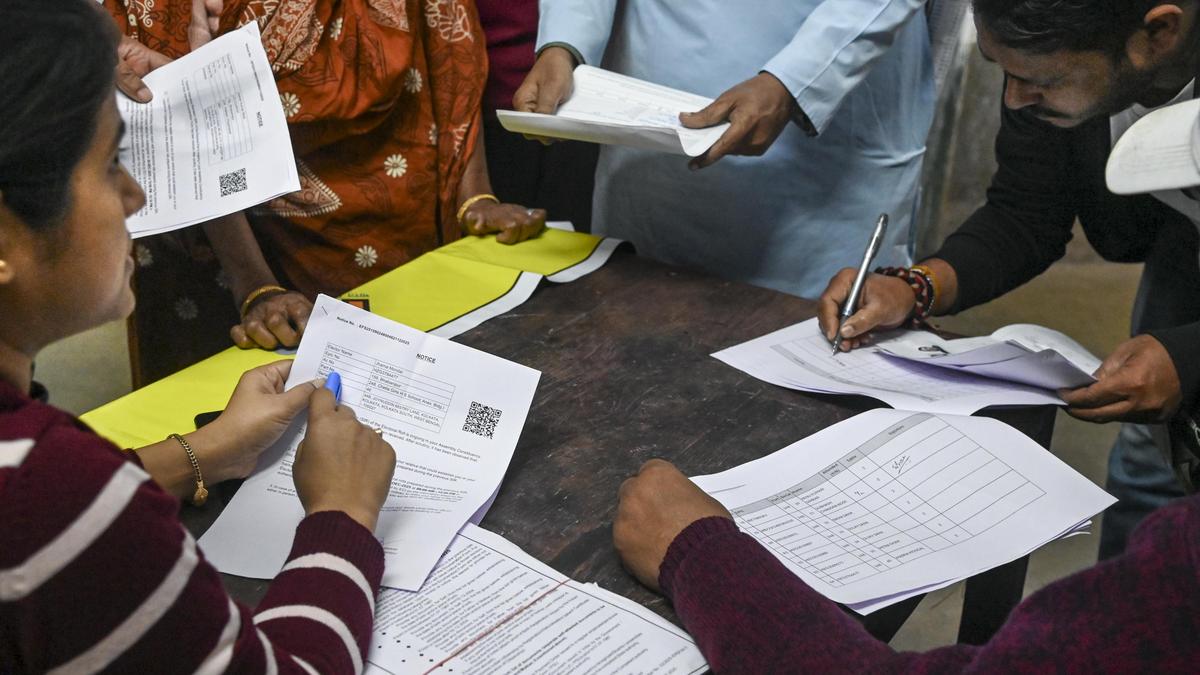
A report by the city-based Sabar Institute reveals that 484 electors from the Chinese community have been excluded from voter rolls in three assembly constituencies in Kolkata – Kasba, Entally, and Chowrangee – during the Special Intensive Revision (SIR). The study, which analyzed voter rolls in these areas, found that the majority of deleted voters (389 of 484) were categorized as untraceable or absent, raising concerns about the efficacy and sensitivity of the verification process. The institute suggests that the actual number of disenfranchised individuals might be higher due to limitations in identifying less common Chinese names.
Key Points
- 484 Chinese electors excluded from voter rolls in Kolkata during the Special Intensive Revision.
- The constituencies affected are Kasba (307 deletions), Entally (56 deletions), and Chowrangee (121 deletions).
- 80% of the deleted voters (389) were categorized as “untraceable or absent,” meaning they did not collect SIR enumeration forms.
- Sabar Institute believes the figure of 484 is a conservative undercount due to limitations in name recognition.
- Kolkata North recorded the highest percentage (25.92%) of deletions linked to ‘absent, shifted, dead and duplicate’ (ASDD) of all districts in the state during this revision.
Critical Analysis
The historical context offers limited insight directly correlating to the disenfranchisement. The news of gold prices, autism care centers, and TMC protests provide no immediate link to the electoral revision affecting the Chinese community. Therefore, a thorough analysis of why these events are happening requires more relevant background information, specifically concerning local politics, demographic shifts, or specific policies targeting minority communities in Kolkata.
Key Takeaways
- The Special Intensive Revision process in West Bengal has resulted in a significant number of voter deletions, disproportionately affecting the Chinese community in specific Kolkata constituencies.
- The categorization of a large percentage of deleted voters as “untraceable or absent” raises concerns about the accessibility and effectiveness of the verification process.
- The Sabar Institute’s research suggests potential systemic issues in accurately identifying and engaging with long-standing residents of Chinese descent during electoral revisions.
- Kolkata, historically a cosmopolitan city, may be facing challenges in ensuring inclusive electoral participation for its diverse communities.
Impact Analysis
The disenfranchisement of a specific community based on ethnicity can have significant long-term impacts. It raises questions about the fairness and inclusivity of the electoral process, potentially eroding trust in democratic institutions among marginalized groups. This incident may fuel further scrutiny of voter registration processes and could lead to legal challenges or demands for reforms to prevent similar disenfranchisement in the future. The reduction in political representation for Kolkata’s Chinese community may also weaken efforts to address their specific needs and concerns within the broader socio-political landscape.
 First Piper