
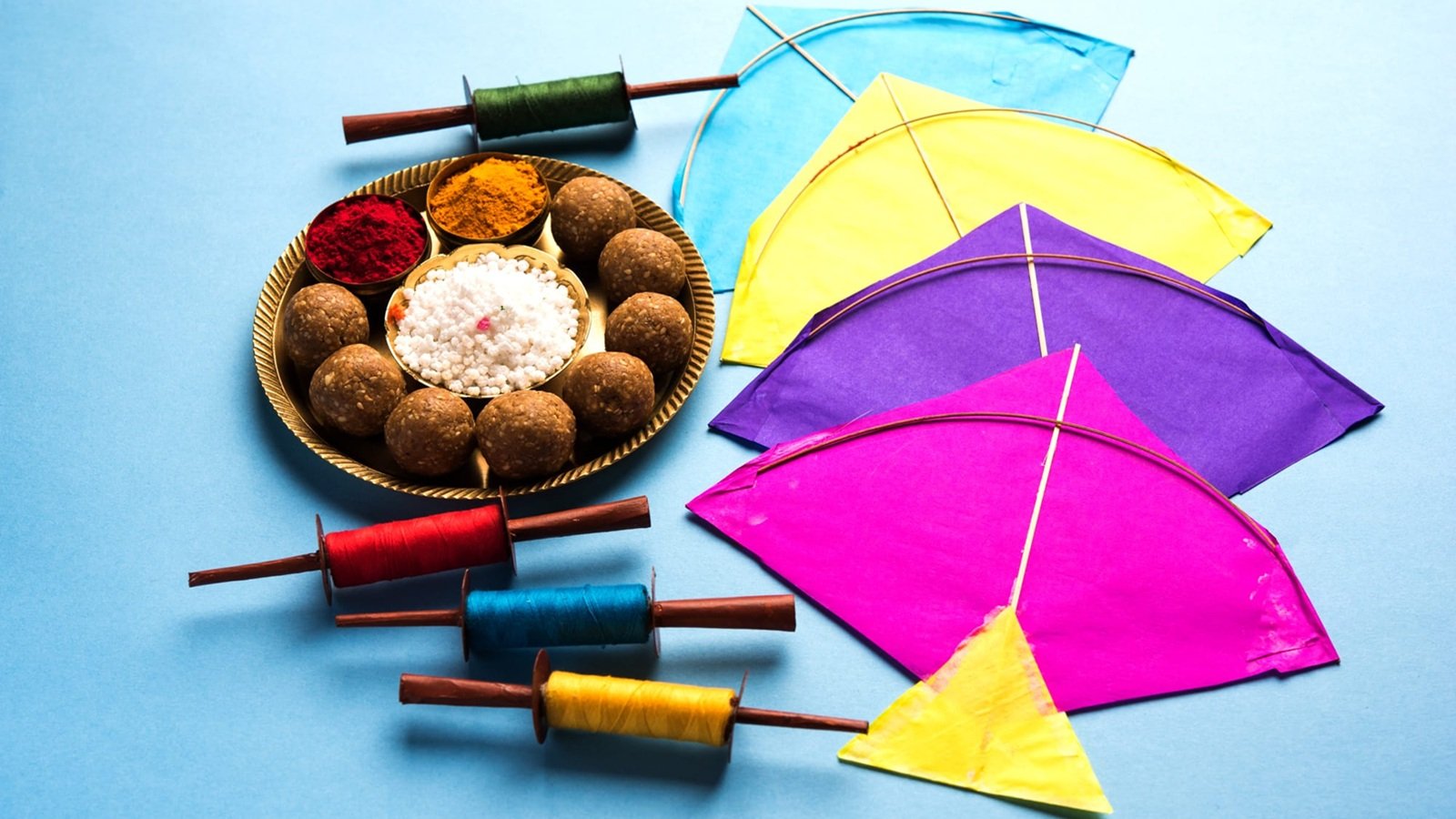
Mon Jan 12 04:30:00 UTC 2026: # Makar Sankranti: A Celebration of Sun, Gratitude, and Ancient Traditions
The Story:
The Jansatta article explores the significance of Makar Sankranti, a Hindu festival celebrated annually around January 14th or 15th. Unlike many Indian festivals based on the lunar calendar, Makar Sankranti is a solar festival, marking the sun’s transition into the zodiac sign of Capricorn (Makar). The article highlights its pan-Indian presence, celebrated under different names like Uttarayan, Pongal, Maghi/Lohri, and Magh Bihu, each reflecting regional customs and traditions.
The article further delves into the underlying themes of gratitude for the sun, the earth, and those who provide food, linking it to ancient folklore and the symbolism of food and relationships. It also touches upon the relationship between the sun and its son, Shani (Saturn), whose zodiac sign is Capricorn, emphasizing the festival’s message of reconciliation despite differences.
Key Points:
- Makar Sankranti is a solar festival, unlike many Indian festivals based on the lunar calendar.
- It marks the sun’s entry into the Capricorn zodiac sign.
- The festival is celebrated across India under various names, including Uttarayan, Pongal, Maghi/Lohri, and Magh Bihu.
- The central theme is gratitude towards the sun, earth, farmers, and animals that aid in food production.
- Folklore connects the festival to Hindu deities and symbolic stories about food and relationships.
Key Takeaways:
- Makar Sankranti’s fixed date, unlike lunar-based festivals, reflects its connection to solar cycles and astronomical events.
- The festival showcases the diversity of Indian culture while highlighting shared values of gratitude and community.
- Ancient traditions and symbolic foods play a crucial role in the celebrations, reinforcing cultural identity.
- Makar Sankranti serves as a reminder of the interconnectedness of humans, nature, and agriculture.
- The festival presents a message of acceptance and familial unity.
 First Piper