
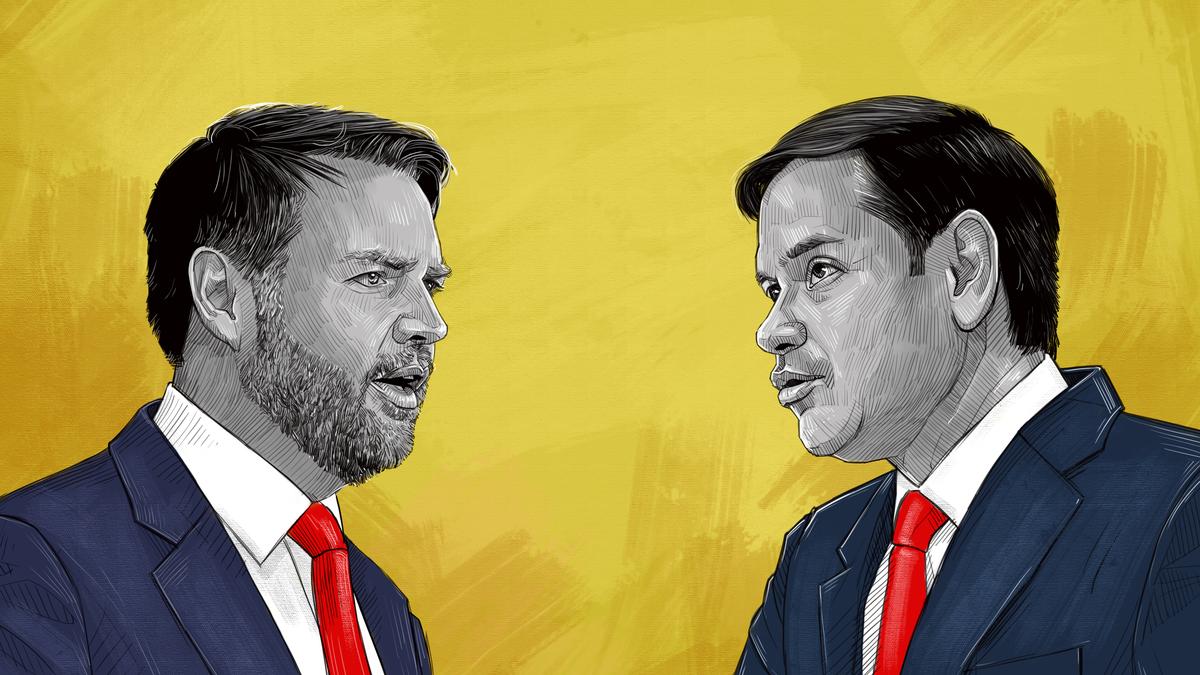
Sat Jan 10 19:30:00 UTC 2026: # Rubio and Vance Emerge as Potential Successors in Shadow of Trump’s Policies
The Story:
Two recent events have thrust Secretary of State Marco Rubio and Vice-President J.D. Vance into the spotlight as potential successors to President Donald J. Trump, while also highlighting the core tenets of the “Make America Great Again (MAGA)” policy. These events include the capture of Venezuela’s President on January 3, 2026, and the fatal shooting of a U.S. citizen during an ICE operation in Minneapolis on January 7, 2026. The differing responses of Rubio and Vance to these incidents underscore their contrasting approaches to foreign policy and immigration, respectively, while also positioning them as contenders for leadership within the MAGA movement.
Rubio’s fervent defense of the Venezuela intervention and Vance’s assertive response to the ICE shooting expose the fault lines between their priorities. Their backgrounds as “Never Trumpers” who later became loyalists adds another layer of intrigue to their current positions. While both align with the Trump administration’s goals, their divergent focuses signal a potential power struggle for the future of the MAGA agenda.
Key Points:
* On January 3, 2026, the U.S. military captured Venezuela’s President and brought him to New York.
* On January 7, 2026, a U.S. citizen was shot dead during an ICE operation in Minneapolis.
* Marco Rubio, as Secretary of State, defended the U.S. intervention in Venezuela, citing stabilization, recovery, and transition efforts, and the sale of 50 million barrels of Venezuelan oil.
* J.D. Vance, as Vice-President, strongly defended the ICE operation, framing criticism as an attack on law enforcement and the American people.
* Rubio and Vance, both former “Never Trumpers,” are now considered potential heirs to the MAGA movement.
* Vance has been critical of U.S. interventions abroad, while Rubio previously supported interventions and held softer views on immigration.
Critical Analysis:
The historical context of President Trump publicly reading a private note from Marco Rubio just days prior, suggests a potential strategy to undermine Rubio, possibly diminishing his standing among core Trump supporters. This act of public embarrassment could be designed to elevate Vance by comparison, solidifying his position as the true successor. This fuels speculation about internal power dynamics and Trump’s calculated maneuvers within his own administration.
Key Takeaways:
* The Venezuela intervention and the ICE shooting incidents serve as catalysts highlighting the policy differences between Rubio and Vance.
* Vance’s consistent hardline stance on immigration and skepticism toward foreign intervention positions him as a more authentic MAGA figure in the eyes of some supporters.
* The contrasting reactions of Rubio and Vance to these events likely signal the start of a succession battle within the MAGA movement, ahead of the midterm elections.
* Rubio’s greater acceptability among establishment Republicans could be a disadvantage within the MAGA base.
* Trump’s seeming public belittling of Rubio may indicate a preference for Vance as his successor.
Impact Analysis:
The emerging rivalry between Rubio and Vance has the potential to significantly shape the future direction of the Republican Party and U.S. policy. Vance’s brand of Christian nationalism and non-interventionist foreign policy could lead to a more isolationist and inward-focused America. Conversely, Rubio’s more traditional Republican stance could maintain a more engaged U.S. role on the global stage. The outcome of this power struggle will determine the future of the MAGA agenda and its impact on American society and foreign relations for years to come.
 First Piper