
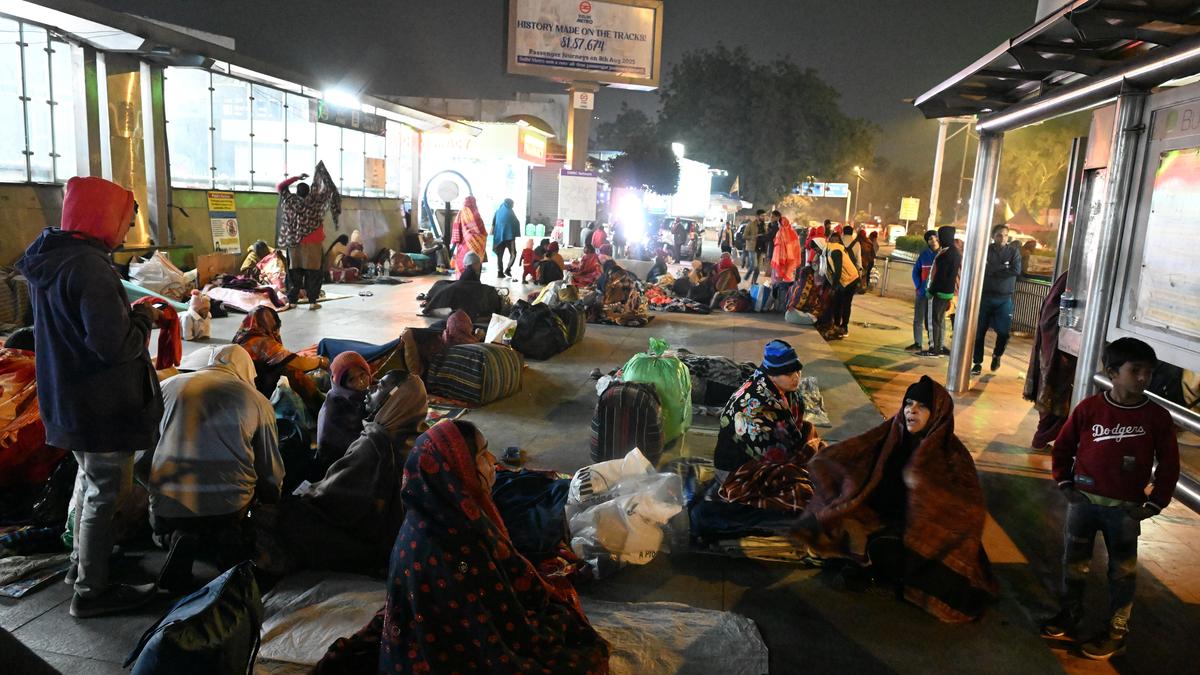
Sat Jan 10 20:19:17 UTC 2026: ### Headline: Humanitarian Crisis Unfolds as Patients and Families Brave Delhi Cold Outside Overwhelmed Hospitals
The Story:
As Delhi experiences a severe cold wave, with temperatures plummeting to 4.6 degrees Celsius, hundreds of patients and their families are forced to sleep outside major hospitals like AIIMS, Safdarjung Hospital, and others. These individuals, many from states like Uttar Pradesh, Haryana, Jharkhand, and Bihar, seek affordable medical care but lack the resources for accommodation. The situation is exacerbated by insufficient shelter capacity, leaving vulnerable people exposed to harsh conditions, including a recent rainfall that drenched their belongings. A non-profit organization, Centre for Holistic Development (CHD), has appealed to the Union Health Minister J.P. Nadda for immediate intervention to provide more temporary shelters.
Key Points:
- Hundreds of patients and their families are sleeping outside Delhi hospitals due to lack of affordable accommodation.
- Temperatures dipped to 4.6 degrees Celsius, increasing the risk of hypothermia and respiratory illnesses.
- Existing night shelters and hospital dormitories like AIIMS’s Vishram Sadan, with 694 beds, are at full capacity.
- CHD estimates 7,882 people are sleeping outside hospitals and has requested the Health Minister for more shelters.
- Many patients travel from neighboring states seeking affordable medical treatment in Delhi.
Critical Analysis:
The news reports highlight the continuous struggle to accommodate lower economic patients when seeking medical treatment. It’s evident that while medical facilities like AIIMS strive to provide affordable care, the infrastructure to support the basic needs of patients and their families, such as shelter, falls critically short. The related news items also emphasize the vulnerability of individuals with pre-existing health conditions, such as hypertension and heart ailments, during cold waves, exacerbating the already dire situation for those sleeping outdoors.
Key Takeaways:
- Delhi’s healthcare infrastructure is struggling to support the housing needs of out-of-state patients seeking affordable care.
- The lack of adequate shelter during severe weather conditions poses significant health risks to vulnerable populations.
- There is an urgent need for coordinated efforts between hospitals, government agencies, and NGOs to provide immediate relief and long-term solutions for patient accommodation.
- The crisis underscores the systemic issues of poverty and access to healthcare in India, where people are forced to choose between medical treatment and basic shelter.
- Free medical treatment facilities are appreciated and do help the underprivileged communities.
Impact Analysis:
This situation is likely to continue and potentially worsen during future cold waves or other extreme weather events if systemic changes aren’t made. The long-term impact includes potential increases in respiratory illnesses, hypothermia-related deaths, and a further strain on the healthcare system to treat preventable conditions. Failure to address this issue could erode public trust in healthcare institutions and exacerbate existing inequalities in access to care.
 First Piper