
Sun Jan 11 05:16:41 UTC 2026: # Kashmir Gripped by Intense Cold Wave as Temperatures Plunge
The Story:
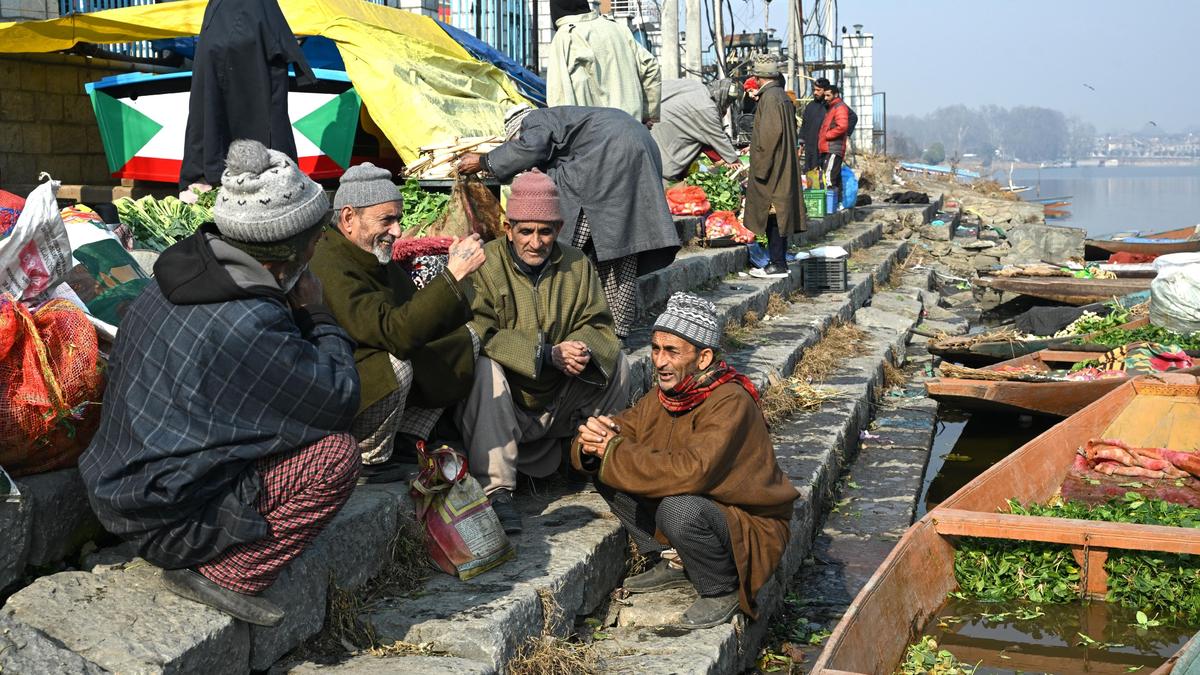
Kashmir is experiencing a severe cold wave, with temperatures plummeting several degrees below freezing, according to officials on Sunday, January 11, 2026. The extreme cold has resulted in the partial freezing of Dal Lake and other water bodies. South Kashmir’s Shopian recorded the lowest temperature at minus 8.6 degrees Celsius. The India Meteorological Department forecasts dry but cloudy weather to continue until January 21, 2026.
Key Points:
- Srinagar recorded a minimum temperature of minus 5.2 degrees Celsius on Saturday, January 10, 2026.
- Shopian was the coldest place in the valley, registering minus 8.6 degrees Celsius.
- Gulmarg’s night temperature settled at a low of minus 6.2 degrees Celsius.
- Kashmir is currently in ‘Chilla-i-Kalan’, a 40-day period of extreme cold that began on December 21, 2025, and ends on January 30, 2026.
- The plains of the valley have not received any snowfall so far this season.
Critical Analysis:
The recent surge in security review meetings on Jammu and Kashmir (Fri Jan 09 01:54:34 UTC 2026) in the wake of arms consignment seizures (Sat Jan 10 06:26:19 UTC 2026) combined with the extreme weather conditions creates a challenging environment for security forces. The intense cold can hinder operational capabilities and potentially increase risks related to border security, especially given the proximity to the Line of Control.
Key Takeaways:
- The extreme cold wave significantly impacts daily life and infrastructure in Kashmir, leading to the freezing of water bodies and potential disruptions in essential services.
- The timing of ‘Chilla-i-Kalan’ contributes to consistently low temperatures throughout the region.
- The absence of snowfall in the plains raises concerns about water availability in the long term.
- The confluence of extreme weather and heightened security concerns can strain local resources and demand enhanced coordination between various agencies.
Impact Analysis:
The prolonged cold wave has several long-term implications:
- Tourism: While winter tourism may initially benefit from the freezing conditions in areas like Gulmarg, sustained extreme temperatures could deter tourists and disrupt travel.
- Agriculture: Lack of snowfall could lead to water scarcity in the spring and summer months, impacting agricultural yields, especially in the absence of sufficient irrigation infrastructure.
- Security: The harsh weather conditions exacerbate the challenges faced by security forces, potentially leading to increased risks of infiltration or other security-related incidents.
- Infrastructure: Prolonged freezing temperatures can lead to damage to infrastructure, including roads, water pipes, and power lines, requiring significant investment in repairs and maintenance.
 First Piper