
Sun Jan 11 00:00:00 UTC 2026: ### Headline: Indian Embassy’s Use of U.S. Lobby Firm Raises Eyebrows Amidst Trade Tensions and Geopolitical Conflicts
The Story
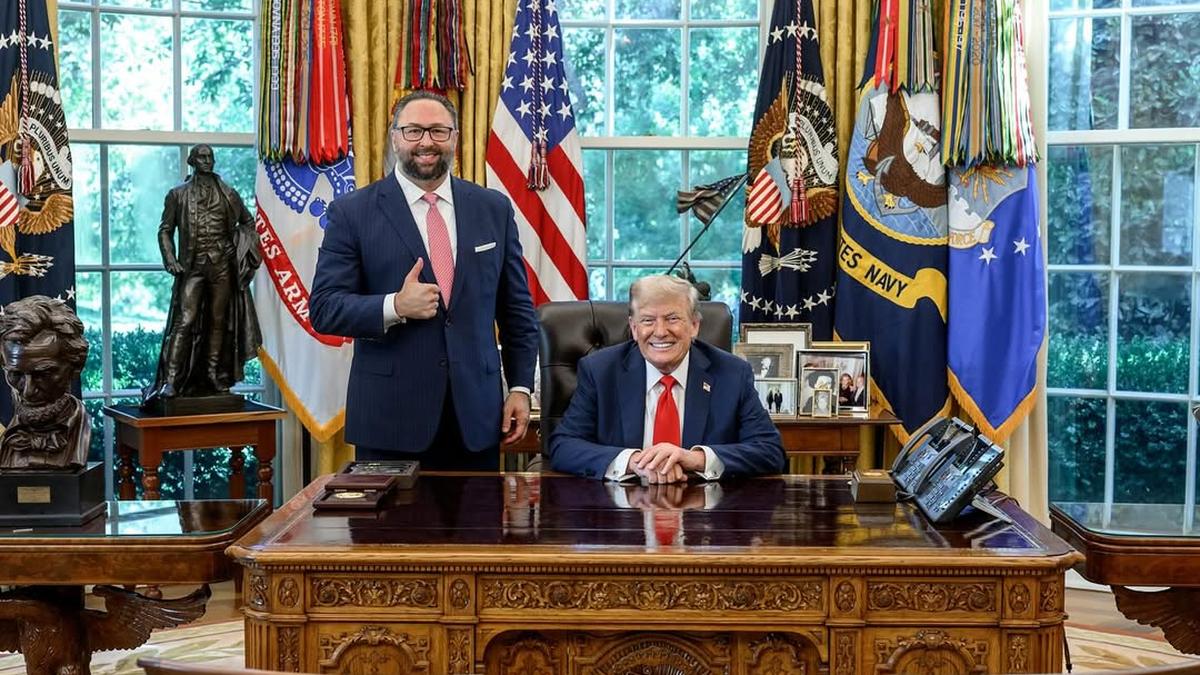
A recent report has brought scrutiny to the Indian Embassy in Washington’s engagement with American lobby firms, particularly SHW LLC, headed by former President Donald Trump spokesperson Jason Miller. Filings with the U.S. Department of Justice (DoJ) reveal that the Embassy utilized SHW LLC for tasks typically handled by diplomats, including arranging meetings with U.S. officials like Vice-President J.D. Vance, War Secretary Pete Hegseth and CIA chief John Ratcliffe, and contacting the White House during Operation Sindoor and subsequent trade talks. This unconventional approach has sparked questions about the effectiveness and necessity of outsourcing diplomatic duties.
The engagement with SHW LLC, contracted for $1.8 million (₹16 crore) at $150,000 a month, took place after Mr. Trump’s call to PM Narendra Modi following the April 22 Pahalgam terror attack. This occurred amidst escalating tensions, including a 50% tariff imposed by the U.S. on Indian imports of Russian oil, and conflicting narratives regarding Operation Sindoor. The Indian Embassy spokesperson defended the practice as “standard” for embassies, private, and business organizations, but failed to address the specific concerns raised about the outsourcing of diplomatic responsibilities and the purpose of certain communications.
Key Points
- The Indian Embassy in Washington hired SHW LLC, a firm linked to Donald Trump, for $1.8 million.
- SHW LLC was tasked with arranging meetings with U.S. leadership for Indian officials and contacting the White House during Operation Sindoor.
- The firm contacted White House officials and U.S. Trade Representative Jamieson Greer on May 10, the day of the ceasefire, to “discuss media coverage of Operation Sindoor,” raising questions.
- The U.S. imposed a 50% tariff on Indian goods due to the Russia Sanctions Act.
- Pakistan retained at least six lobby firms, spending approximately $600,000 a month, to promote its version of Op Sindoor, its Financial Action Task Force commitments and Kashmir.
Key Takeaways
- The use of lobby firms by the Indian Embassy for tasks traditionally handled by diplomats suggests a possible shift in India’s diplomatic strategy or a perceived need to augment its outreach in the U.S.
- The timing of SHW LLC’s hiring, immediately following the Pahalgam terror attack and amidst escalating trade tensions, indicates a strategic attempt to influence U.S. policy and public opinion during a critical period.
- The conflicting narratives surrounding Operation Sindoor and the imposition of tariffs highlight the limitations and potential ineffectiveness of relying solely on lobby firms to achieve desired diplomatic outcomes.
- The engagement with firms closely tied to the Trump administration reflects an attempt to leverage personal connections and influence within the U.S. political landscape.
- The scrutiny surrounding the Indian Embassy’s actions underscores the importance of transparency and accountability in diplomatic engagements, particularly when involving foreign lobbyists.
 First Piper