
Sat Jan 10 14:47:29 UTC 2026: ### Iran’s Military Pledges to Defend National Interests Amidst Growing Protests and International Pressure
The Story:
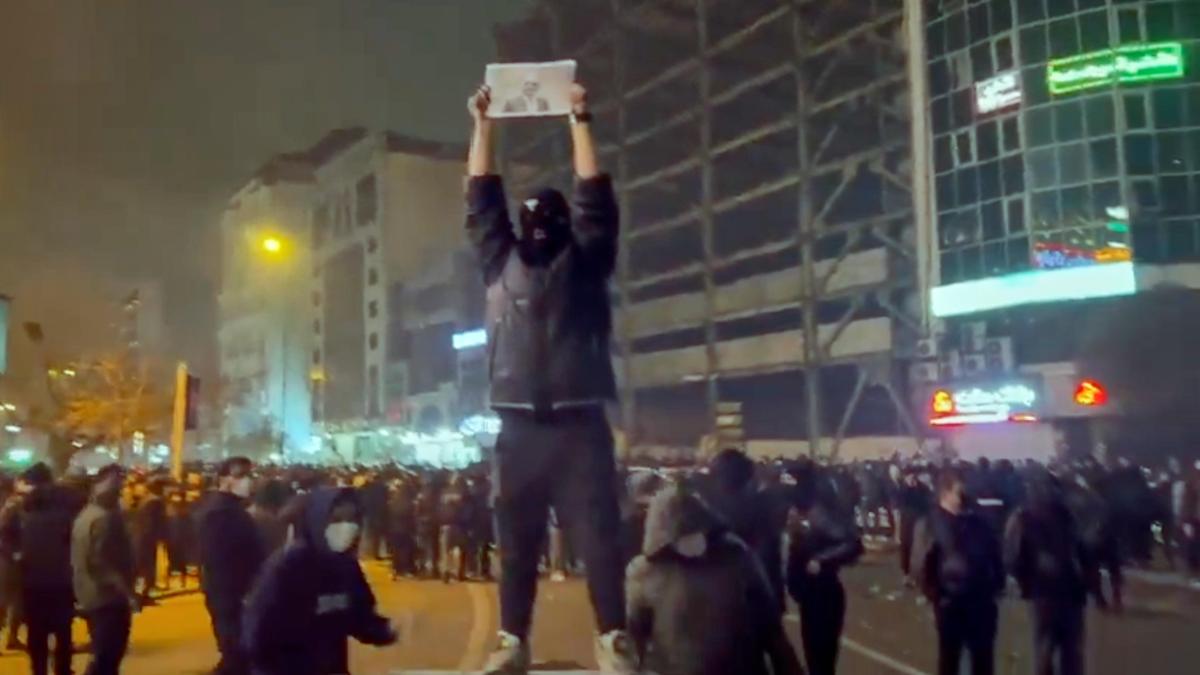
Iran is facing its largest protests in years, sparked by soaring inflation and quickly evolving into calls for the clerical rulers to step down. The Iranian army has pledged to safeguard strategic infrastructure and public property, while accusing Israel and “hostile terrorist groups” of seeking to undermine security. The protests, ongoing for the past two weeks, have prompted responses from the international community, including warnings from U.S. President Donald Trump and support for the protesters from Secretary of State Marco Rubio. Authorities have imposed an internet blackout and blame “rioters” for setting fire to a municipal building.
The situation is escalating as security forces clash with protesters, resulting in numerous casualties and arrests. Reza Pahlavi, the son of the last Shah of Iran, has emerged as a prominent voice urging protesters to “seize city centres” and calling for a nationwide strike. The international community, including France, Britain, and Germany, has condemned the violence against protesters.
Key Points:
- The Iranian army pledged to safeguard strategic infrastructure and public property on January 10, 2026, amid escalating protests.
- U.S. President Donald Trump issued a warning to Iran’s leaders, while Secretary of State Marco Rubio declared U.S. support for the Iranian people.
- Protests began due to soaring inflation and evolved into calls for the removal of clerical rulers.
- Authorities have accused the U.S. and Israel of fomenting the “riots.”
- Reza Pahlavi, the son of the last Shah, is urging protesters to escalate their actions.
- At least 65 deaths have been documented as of January 9, 2026, including 50 protesters and 15 security personnel.
- More than 2,500 people have been arrested.
- France, Britain, and Germany issued a joint statement condemning the killing of protesters.
Critical Analysis:
The series of events indicates a rapidly deteriorating situation in Iran. The protests, initially driven by economic grievances, have now taken on a political dimension, fueled by historical grievances and external support. The government’s response, characterized by internet blackouts and military deployment, suggests a deep concern over the stability of the regime. The involvement of figures like Reza Pahlavi, combined with explicit support from the U.S., introduces a complex geopolitical element to the crisis.
Key Takeaways:
- Iran is experiencing significant internal unrest, posing a major challenge to its clerical leadership.
- External actors, including the U.S. and Israel, are playing a role in the unfolding events, either directly or indirectly.
- The protests have the potential to escalate into a wider conflict, both internally and externally.
- The Iranian government’s response to the protests will likely shape the future of the country’s political landscape.
- The internet blackout reflects a broader strategy of information control, exacerbating tensions and limiting independent reporting.
Impact Analysis:
The events in Iran have significant long-term implications:
- Geopolitical Instability: The unrest could destabilize the region, particularly given the involvement of the U.S. and Israel.
- Regime Change Potential: While the outcome is uncertain, the protests raise the possibility of significant political change in Iran, potentially ending the rule of the clerics.
- Economic Consequences: The instability and sanctions could further devastate Iran’s economy, leading to more social unrest.
- Human Rights Crisis: The crackdown on protesters raises serious concerns about human rights and the potential for further violence.
- Global Energy Markets: Instability in Iran, a major oil producer, could significantly impact global energy markets.
 First Piper