
Sun Jan 11 10:34:18 UTC 2026: Headline: ISRO Set to Launch PSLV-C62/EOS-N1 Mission Carrying Strategic Earth Observation Satellite and International Payloads
The Story:
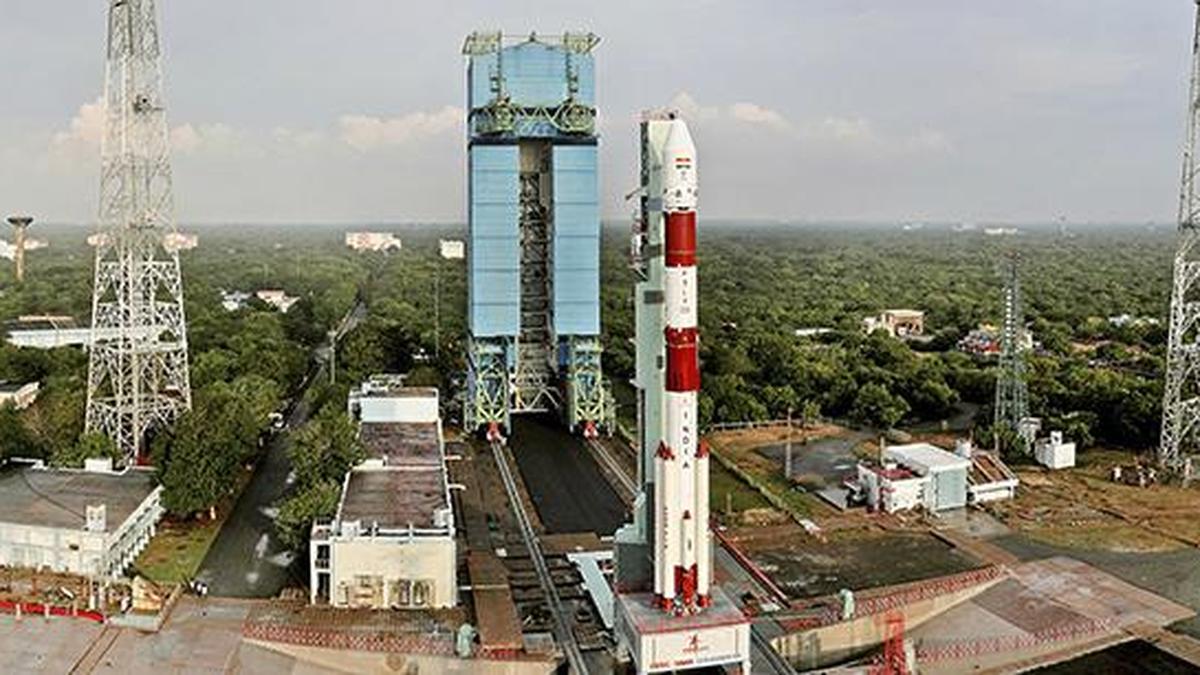
The Indian Space Research Organisation (ISRO) is scheduled to launch the PSLV-C62/EOS-N1 mission on January 12, 2026, at 10:17 a.m. from the Satish Dhawan Space Centre in Sriharikota. The 22.5-hour countdown commenced on January 11, 2026. The mission, which marks the 105th launch from Sriharikota, will deploy the EOS-N1 earth observation satellite, built for strategic purposes, along with 15 co-passenger satellites developed by startups and academia from India and abroad.
The PSLV-C62 vehicle will inject EOS-N1 and the co-passenger satellites into a Sun Synchronous Orbit. Subsequently, the PS4 stage will be restarted to de-boost and enter a re-entry trajectory, followed by KID Capsule separation. Both the PS4 stage and KID capsule are designed to re-enter Earth’s atmosphere, impacting the South Pacific Ocean. The mission is a commercial venture of NewSpace India Limited (NSIL).
Key Points:
- Launch Date: January 12, 2026, at 10:17 a.m. IST.
- Launch Vehicle: PSLV-C62.
- Primary Payload: EOS-N1, an earth observation satellite built for strategic purposes.
- Co-Passenger Satellites: 15 satellites from India and abroad (Thailand, UK, Nepal, Spain, France, Brazil) built by startups and academia.
- Mission Type: Commercial mission by NewSpace India Limited (NSIL).
- PS4 Stage: Will be de-boosted and re-enter Earth’s atmosphere after satellite injection.
- KID Capsule: Will separate and re-enter Earth’s atmosphere.
- Launch Site: Satish Dhawan Space Centre, Sriharikota.
- Mission Number: 105th launch from Sriharikota, 64th flight of PSLV, and fifth mission of the PSLV-DL variant.
Key Takeaways:
- India continues to expand its space capabilities through ISRO, utilizing PSLV as a reliable launch vehicle for deploying both domestic and international payloads.
- The EOS-N1 satellite underscores India’s focus on strategic earth observation capabilities.
- The mission highlights the growing role of NSIL in commercializing space activities in India and the increasing participation of private sector companies in space activities.
- International collaboration is evident through the inclusion of multiple satellites from various countries, indicating trust in ISRO’s launch capabilities.
- The controlled re-entry of the PS4 stage and KID capsule demonstrates ISRO’s commitment to space debris mitigation and responsible space practices.
 First Piper