
Sun Jan 11 01:19:44 UTC 2026: ### ICE Shooting Sparks Nationwide Protests Amidst Immigration Crackdown
The Story:
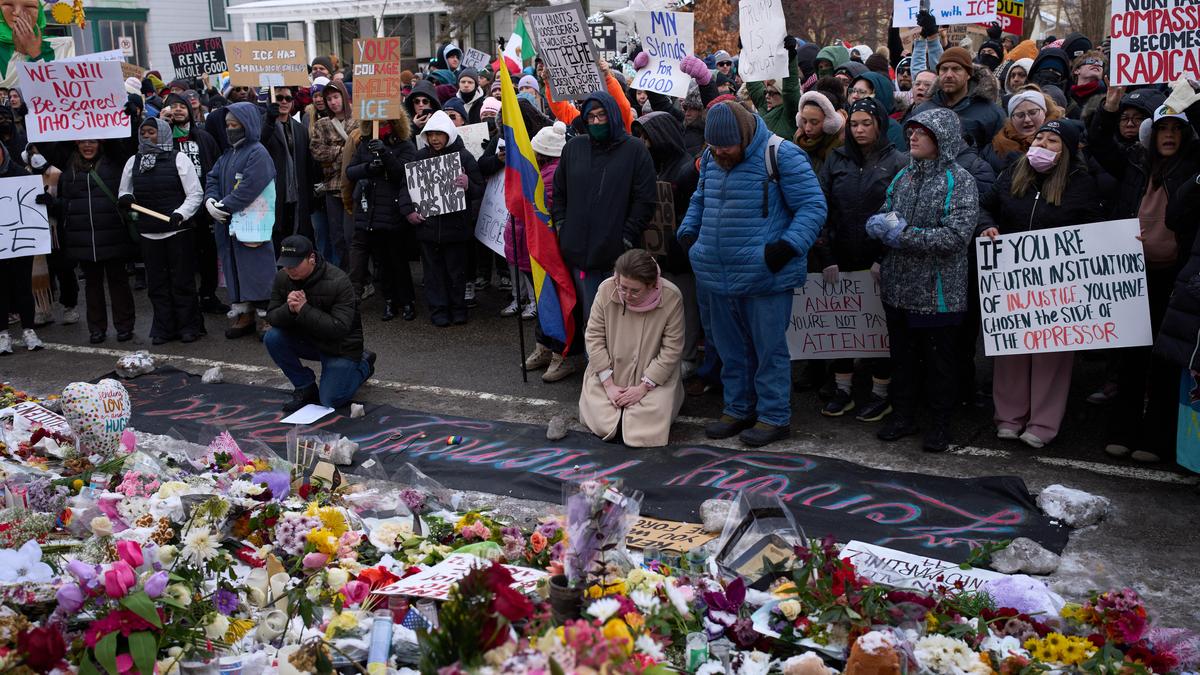
Thousands marched in Minneapolis on Saturday, January 10, 2026, to protest the fatal shooting of Renee Good by an Immigration and Customs Enforcement (ICE) officer earlier in the week, as well as the shooting of two people in Portland, Oregon. The Minneapolis protest, part of a nationwide series, highlights growing tensions over increased immigration enforcement under the Trump administration. The Department of Homeland Security’s deployment of officers in the Twin Cities is described as its largest immigration enforcement operation ever. Protests have been largely peaceful, with local leaders urging demonstrators to remain so, despite some instances of violence and confrontations with federal agents.
Key Points:
- Thousands protested in Minneapolis on January 10, 2026, following the shooting of Renee Good by an ICE officer on January 7, 2026.
- The Trump administration defends the shootings as acts of self-defense.
- Minnesota leaders, including Mayor Jacob Frey and Governor Tim Walz, urged protesters to remain peaceful, accusing President Trump of instigating chaos.
- U.S. Reps. Ilhan Omar, Kelly Morrison, and Angie Craig alleged obstruction by ICE agents after being denied full access to an ICE facility.
- The DHS has deployed over 2,000 federal officers to Minnesota as part of a large-scale immigration crackdown.
Critical Analysis:
The protests in Minneapolis and across the country reflect a deeply polarized environment surrounding immigration policy. The Trump administration’s increased enforcement efforts, particularly in areas with large immigrant communities like Minneapolis, have led to heightened fear and resentment, as evidenced by the quotes from protesters. The involvement of federal officers, and the incidents involving journalists and congressional representatives, suggest a deliberate attempt to control the narrative and suppress dissent. The framing of the shootings as “self-defense” further fuels distrust and intensifies the perception of an overzealous crackdown.
Key Takeaways:
- The shooting of Renee Good acted as a catalyst for widespread protests against ICE enforcement.
- Political polarization and distrust of the Trump administration are significant factors driving the protests.
- The scale of federal intervention in Minnesota highlights the administration’s commitment to its immigration policies.
- Tensions between federal law enforcement and local communities are escalating.
- The denial of access to congressional representatives raises concerns about transparency and oversight of ICE operations.
Impact Analysis:
This event series signals a deepening crisis in the relationship between the federal government and immigrant communities. The protests, coupled with legal challenges and political accusations, indicate that the Trump administration’s immigration policies will continue to face strong resistance. The long-term impact could include further erosion of trust in law enforcement, increased political mobilization within immigrant communities, and sustained legal challenges to federal immigration policies. The response to these events will likely shape the political landscape leading up to future elections and influence the direction of immigration reform for years to come.
 First Piper