
Fri Jan 09 00:30:00 UTC 2026: # Solar System Formation: Understanding Planetary Arrangement
The Story:
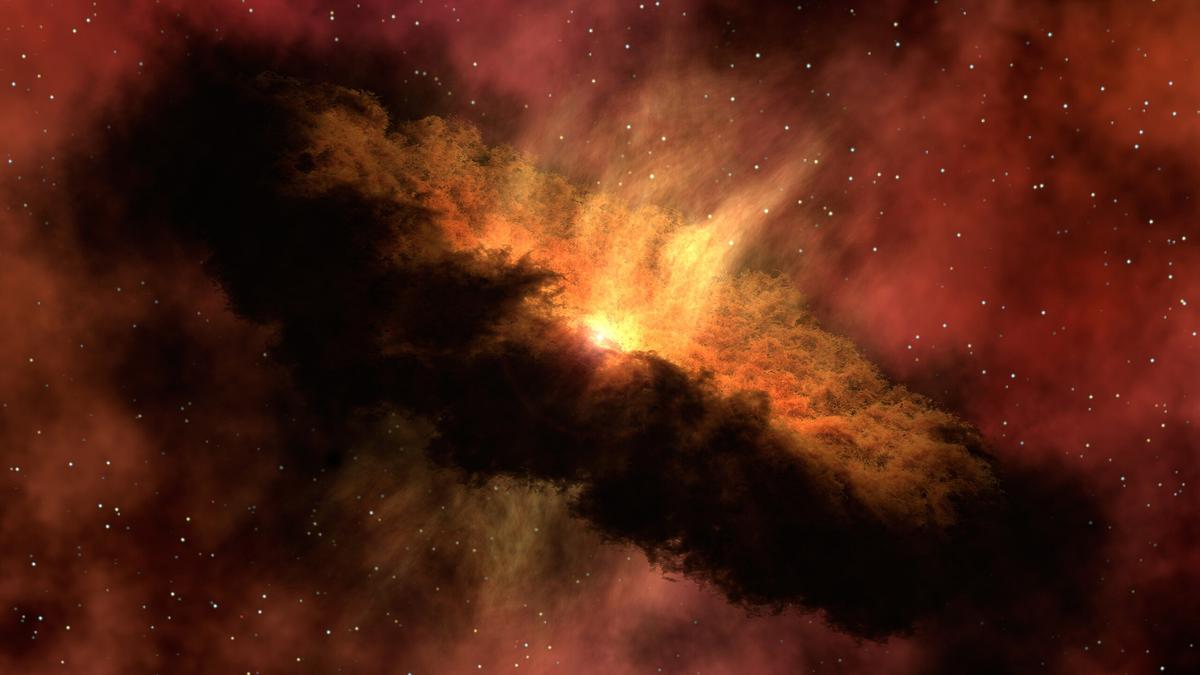
An article published in The Hindu on January 9, 2026, explores the formation of our solar system and the arrangement of planets. The piece details how the protoplanetary disc around the young sun influenced the composition and location of planets. It explains the concentration of rocky materials closer to the sun and icy materials farther out, resulting in the terrestrial and gas/ice giant planets respectively. The article also highlights the role of planetary migration during the solar system’s infancy in shaping the current planetary layout.
Key Points:
- Planets formed from a spinning disk of gas and dust around the sun.
- The temperature gradient within the protoplanetary disc determined the composition of forming planets.
- Inner planets (Mercury, Venus, Earth, Mars) are rocky due to high temperatures allowing only metals and minerals to solidify.
- Outer planets (Jupiter, Saturn, Uranus, Neptune) are gas and ice giants due to cooler temperatures enabling water, ammonia, and methane to freeze.
- Planetary migration played a significant role in reshuffling the planets’ positions.
Key Takeaways:
- The distribution of materials within the early solar system played a crucial role in determining the composition and initial locations of planets.
- Planetary migration significantly altered the initial planetary arrangement, demonstrating the dynamic nature of early solar system evolution.
- Understanding the solar system’s formation provides insights into the potential habitability of other planetary systems.
 First Piper