
Sat Jan 10 07:04:57 UTC 2026: ### Trump Administration Courts Oil Executives for Venezuelan Investment After Maduro’s Ouster
The Story:
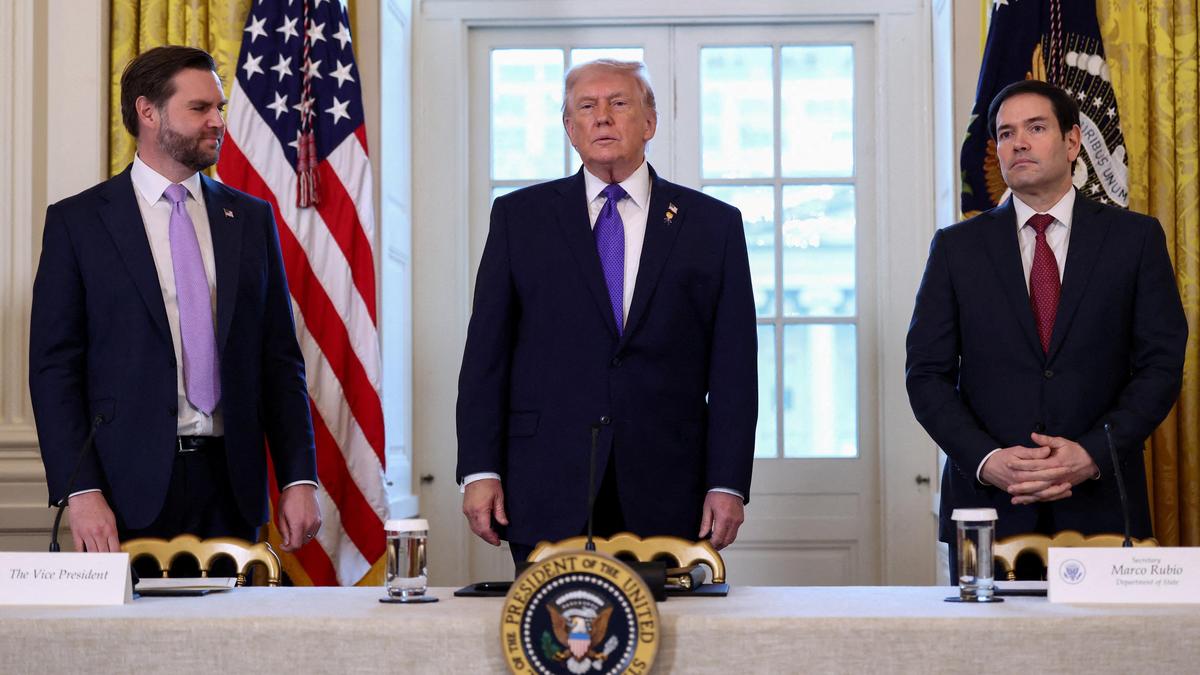
In a move underscoring the U.S.’s increased involvement in Venezuela, President Donald Trump convened a meeting with top oil executives on January 9, 2026, urging them to invest in Venezuela’s extensive oil reserves following the capture of President Nicolas Maduro. Trump assured them that the U.S. government, not Caracas, would decide which companies could operate in the country and that he would ensure “total security” for these ventures. However, executives expressed skepticism, citing previous asset seizures and an “uninvestable” environment under the existing legal and commercial frameworks.
Despite the cautious reception, Trump claimed that the oil companies were prepared to invest “at least $100 Billion.” The meeting included representatives from major players like Chevron, ExxonMobil, ConocoPhillips, and Shell. Experts have cautioned that rebuilding Venezuela’s oil industry faces significant challenges, including outdated infrastructure, political instability, and the high cost of extracting heavy crude.
Key Points:
* President Trump directly solicited oil executives to invest in Venezuela’s oil sector after Maduro’s capture.
* The Trump administration seeks to control which companies operate in Venezuela, bypassing the Venezuelan government.
* Oil executives, particularly ExxonMobil’s CEO, expressed skepticism due to past experiences of asset seizures and current investment climate.
* Trump claimed oil companies committed to investing at least $100 Billion in Venezuela.
* Analysts warn that rebuilding Venezuela’s oil industry will be challenging due to various economic and strategic factors.
Critical Analysis:
The article highlights a stark power play by the Trump administration, seizing direct control of Venezuela’s oil resources following the capture of President Maduro. The move reflects a continuation of the U.S.’s interventionist foreign policy and its strategic interest in securing access to Venezuela’s vast oil reserves, while also attempting to reshape the country’s political and economic landscape. The historical context indicates a pattern of President Trump issuing strong warnings and promises related to foreign policy and energy resources, as evidenced by related headlines regarding Iran, Russia, and previous statements concerning Venezuelan oil.
Key Takeaways:
* The U.S. is aggressively pursuing control over Venezuela’s oil resources post-Maduro.
* Oil companies are wary of investing despite U.S. assurances, highlighting concerns about risk and profitability.
* The future of Venezuela’s oil industry remains uncertain due to infrastructural and political challenges.
* The U.S. intervention is driven, in part, by a desire to lower domestic fuel prices.
* The legitimacy and long-term sustainability of the U.S.-led initiative are questionable, especially given the interim President’s conflicting statements and potential legal challenges.
Impact Analysis:
The U.S.’s actions could have significant long-term geopolitical and economic impacts. The takeover of Venezuela’s oil industry has the potential to reshape global energy markets. It could also lead to prolonged political instability in Venezuela, especially if the interim government’s claims are not recognized internationally. The high level of control asserted by the U.S. may lead to legal battles, sanctions, and international condemnation. The degree to which U.S. oil companies invest will significantly shape Venezuela’s economic future. The success or failure of this intervention will likely influence future U.S. foreign policy decisions regarding resource-rich nations with unstable governments.
 First Piper