
Sat Jan 10 05:57:23 UTC 2026: ### Syria’s Army Claims Victory in Aleppo as Fighting Intensifies Between Government Forces and Kurdish Fighters
The Story:
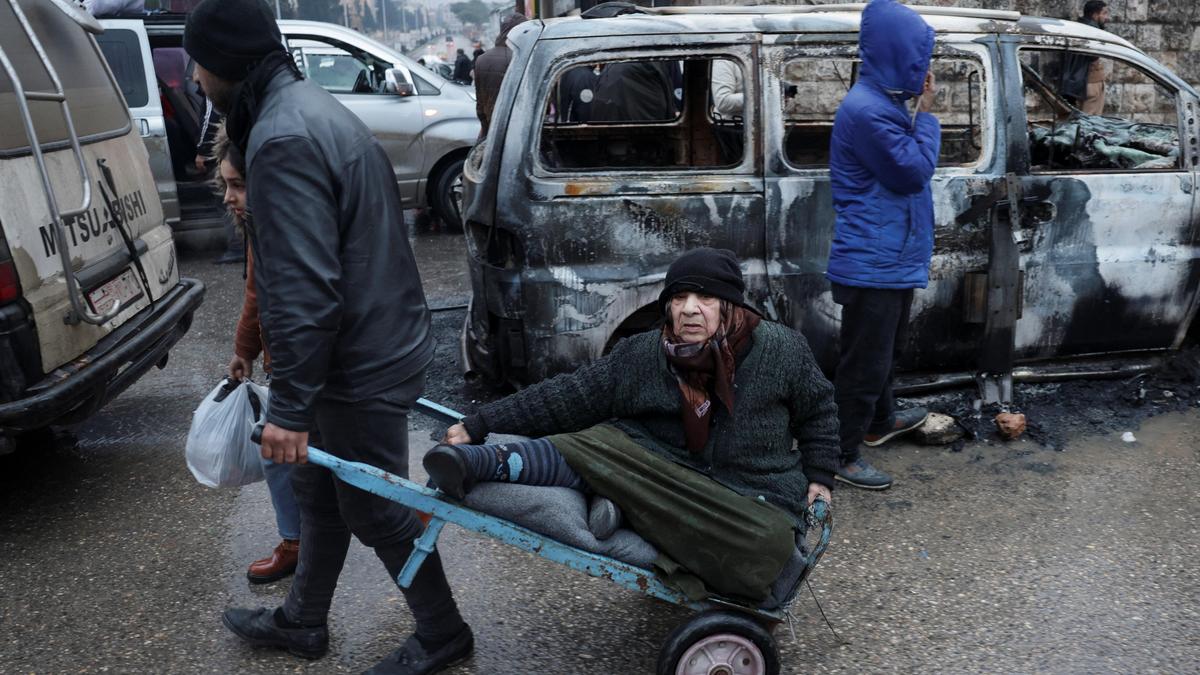
Syrian government forces declared their operation in the Kurdish-majority Sheikh Maqsoud district of Aleppo nearing completion on January 10, 2026, urging Kurdish fighters to surrender. The announcement came after renewed clashes erupted following a failed agreement for the Syrian Democratic Forces (SDF) to withdraw to northeastern Syria. The Syrian Army initiated strikes on the district after the SDF allegedly defied a withdrawal deadline, resulting in civilian casualties and mass displacement. Both sides accuse each other of instigating the violence that began on January 6, 2026.
The renewed fighting poses a significant challenge to Syria’s efforts to reunify following the ousting of Bashar al-Assad in December 2024. International actors and the UN have expressed concern, urging a return to negotiations. Turkey, with a vested interest in the region, is closely monitoring the situation, while the United States is reportedly attempting to mediate.
Key Points:
- The Syrian Army claims to have cleared over 90% of the Sheikh Maqsoud district.
- At least 21 civilians have been killed since the fighting began on January 6, 2026, and tens of thousands have fled Aleppo.
- The Syrian Army claims three soldiers have been killed by Kurdish forces.
- The SDF, which was key to defeating ISIS in 2019, controls significant territory in northern and northeastern Syria.
- The March integration agreement between the Kurds and the Syrian government has stalled due to disagreements over decentralization.
- The U.S. is reportedly mediating, with envoy Tom Barrack heading to Damascus.
Key Takeaways:
- The renewed clashes in Aleppo highlight the fragility of peace in Syria and the challenges of integrating Kurdish regions into the new government.
- The failure of the integration agreement and the subsequent military action demonstrate the deep-seated mistrust and conflicting interests between the Syrian government and Kurdish factions.
- The involvement of external actors like the U.S. and Turkey underscores the international dimensions of the Syrian conflict and the potential for further escalation.
- The conflict risks undermining the stability of the region and could trigger new waves of displacement and humanitarian crises.
Impact Analysis:
The events in Aleppo have significant long-term implications for Syria’s stability and regional security.
- Increased Instability: The failure to integrate Kurdish regions peacefully could lead to protracted conflict and further fragmentation of Syria.
- Humanitarian Crisis: Continued fighting will likely exacerbate the existing humanitarian crisis, displacing more civilians and straining resources.
- Regional Tensions: The involvement of Turkey and the potential for other regional powers to intervene could escalate tensions and destabilize the broader region.
- Impact on Counter-Terrorism: A weakened and divided Syria could create opportunities for the resurgence of extremist groups like ISIS.
- Delayed Reconstruction: The conflict will hinder reconstruction efforts and impede Syria’s ability to recover from years of civil war.
 First Piper