
Sat Jan 10 12:46:59 UTC 2026: ### Headline: Braille Advocate Champions Continued Literacy Amidst Technological Advancements
The Story
S. Vanaja, a long-time advocate for Braille literacy in Chennai, is highlighting the continued relevance of Braille at a time when educators are concerned about a “Braille literacy crisis.” The article emphasizes Vanaja’s personal journey with Braille, from her early education to her professional life, to demonstrate the importance of tactile learning for the visually impaired. Vanaja argues that Braille is indispensable for mastering language-heavy disciplines and provides a reliable learning tool independent of technology. She also expresses concern that current educational practices are diminishing the role of Braille in favor of audio-based learning.
Key Points
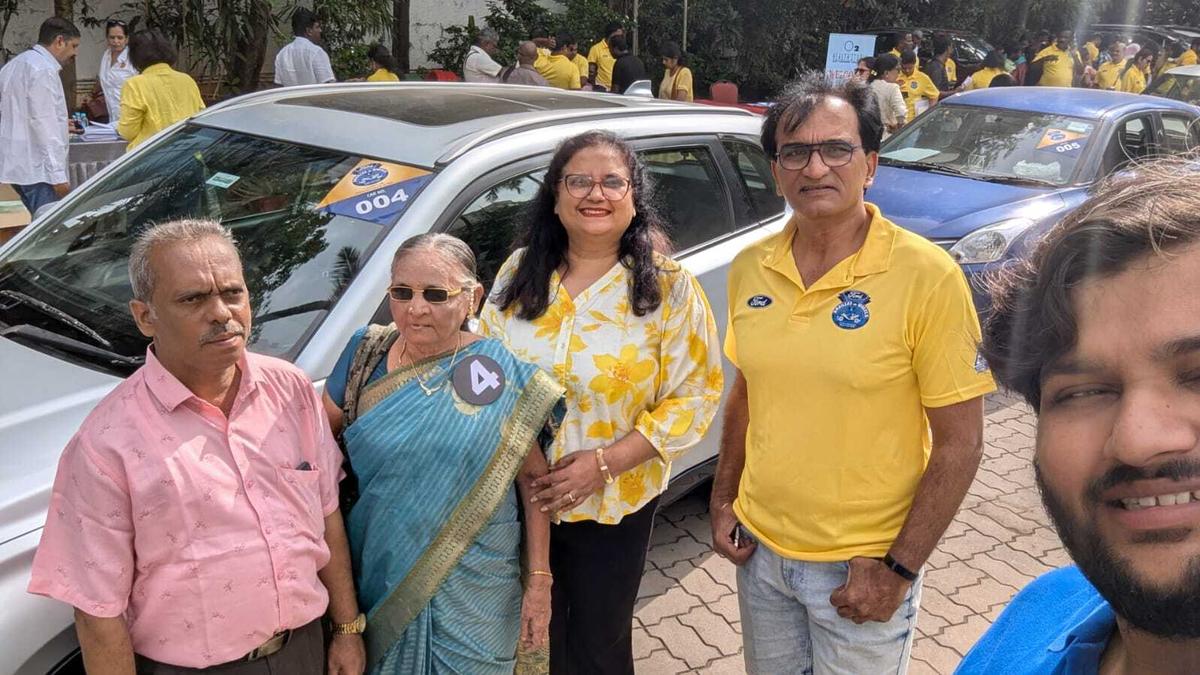
- S. Vanaja has been associated with the Brailles on Wheels rally in Chennai for decades.
- Vanaja began learning Braille in first standard at the Palayamkottai Blind School, where it was the primary language of learning.
- She transitioned to a regular school after eighth standard, relying on a shared study system with other visually impaired students to create Braille notes.
- Braille remained her primary tool for learning during her English Literature studies at A.P.C. Mahalaxmi College for Women in Thoothukudi.
- Vanaja worked at the Central Bank of India, using Braille for managing phone numbers, data collection, and preparing for promotion exams.
- She believes Braille helps with clear thinking, while computers enhance work efficiency.
- Vanaja carries a Braille slate and stylus for daily tasks like grocery lists, maintaining independence.
- She worries that Braille is becoming optional in schools, with a reliance on audio tools.
- The Brailles on Wheels rally has rolled through 34 editions.
Key Takeaways
- Braille remains a vital tool for literacy and independence among the visually impaired, especially in language-intensive fields.
- Early and rigorous Braille education is crucial for developing strong literacy skills.
- Assistive technologies should complement, not replace, Braille education.
- The shortage of trained Braille teachers is a significant concern.
- Community initiatives such as the Brailles on Wheels rally are valuable for promoting awareness and inclusion.
 First Piper