
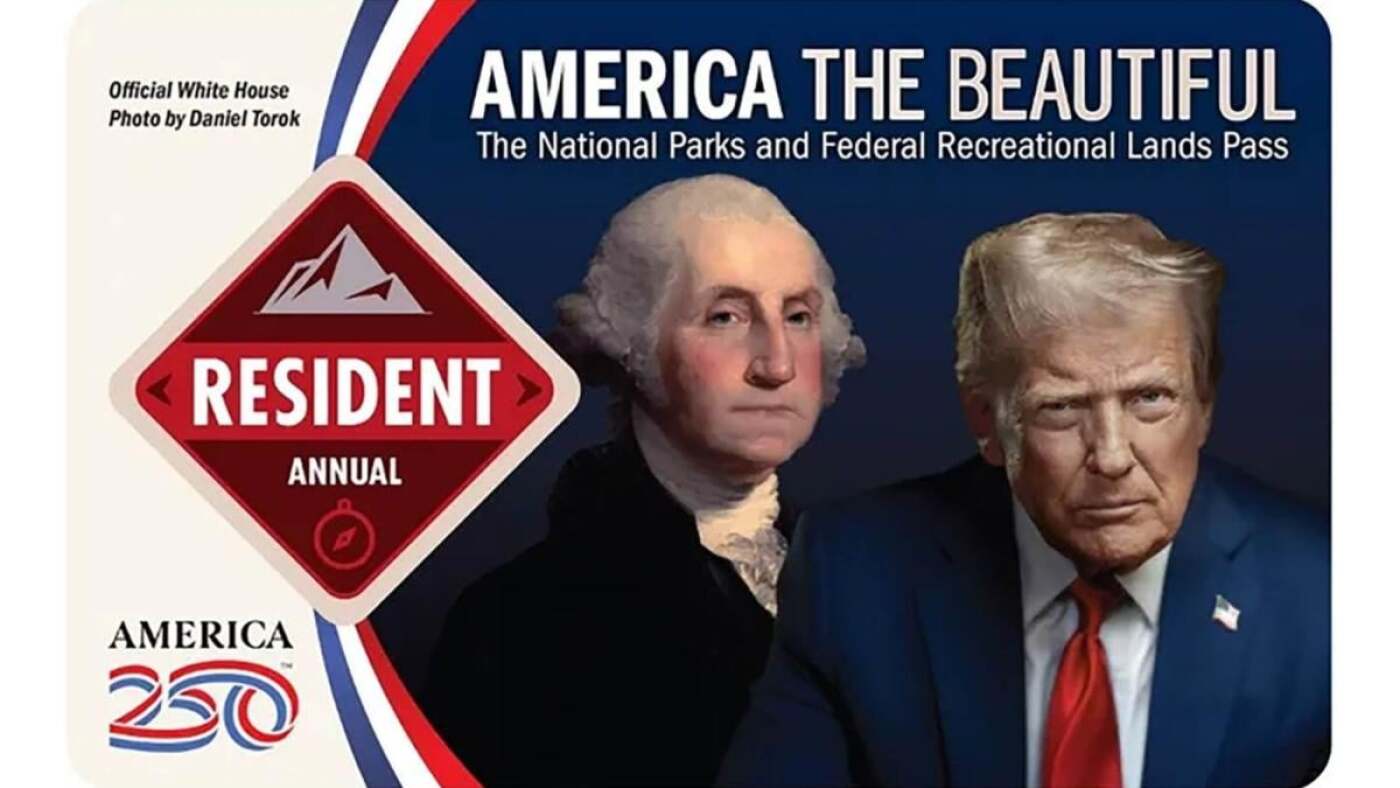
Sat Jan 10 14:40:00 UTC 2026: ### Headline: Interior Department Clamps Down on Protest Stickers Defacing Trump Image on National Park Passes
The Story:
The Department of Interior (DOI) is facing backlash over its decision to include portraits of Presidents George Washington and Donald Trump on the 2026 “America the Beautiful” national park pass, replacing the traditional nature photography. This change has sparked a wave of protests, with parkgoers using stickers to cover Trump’s image. In response, the National Park Service updated its policy to clarify that passes may be voided if “defaced or altered,” which includes the application of stickers. This policy change has triggered further controversy, with critics arguing that the DOI is prioritizing politics over the preservation of national parks’ neutrality.
The conflict has escalated to include a lawsuit filed by the Center for Biological Diversity, challenging the design’s legality and alleging it violates the requirement for the pass to display a winning photograph from a national parks photo contest. The situation highlights the politicization of public spaces and the tension between honoring historical figures and maintaining the non-partisan character of national parks.
Key Points:
- The 2026 “America the Beautiful” pass features portraits of Presidents George Washington and Donald Trump, deviating from the traditional nature imagery.
- Park visitors have protested the design by covering Trump’s image with stickers.
- The National Park Service updated its policy to state that passes may be voided if “defaced or altered,” including the application of stickers.
- The Center for Biological Diversity has filed a lawsuit against the DOI, arguing the design violates federal requirements.
- A sticker campaign has emerged, with proceeds going to conservation nonprofits.
- The DOI claims the policy update is merely a clarification of existing rules regarding altered passes.
Critical Analysis:
The events surrounding the national park pass highlight a broader trend of political branding and the increasing politicization of public spaces. The inclusion of Trump’s image, perceived by many as a partisan move, directly contradicts the long-standing tradition of showcasing the natural beauty of America’s parks. The backlash, in the form of sticker protests and legal challenges, demonstrates a strong resistance to this perceived politicization. The DOI’s response, cracking down on the sticker protests, further fuels the controversy, reinforcing the perception of prioritizing political messaging over the concerns of park visitors and conservationists.
Key Takeaways:
- The inclusion of political figures on traditionally neutral items like national park passes can incite significant public backlash.
- Attempts to suppress dissent, such as voiding passes with protest stickers, can exacerbate tensions and fuel further resistance.
- The incident underscores the ongoing debate about the role of politics in public spaces and the importance of maintaining their perceived neutrality.
- The lawsuit filed by the Center for Biological Diversity suggests a legal avenue for challenging what is perceived as political overreach in government branding.
- This event shows how seemingly minor decisions can become highly politicized, reflecting deeper societal divisions.
Impact Analysis:
The controversy surrounding the national park pass design could have several long-term implications:
- Increased scrutiny of future government branding efforts: This incident may prompt greater public and legal scrutiny of government branding initiatives, particularly those perceived as partisan.
- Heightened awareness of political symbolism in public spaces: The debate may raise public awareness of the subtle ways political messages are embedded in everyday life.
- Potential for legal precedent: The lawsuit filed by the Center for Biological Diversity could set a legal precedent regarding the permissible use of political imagery on government-issued items.
- Erosion of trust in government agencies: The perceived politicization of the National Park Service could erode public trust in the agency’s impartiality.
- Catalyst for further activism: The sticker protest and lawsuit may inspire other forms of activism aimed at preserving the neutrality of public spaces.
 First Piper