
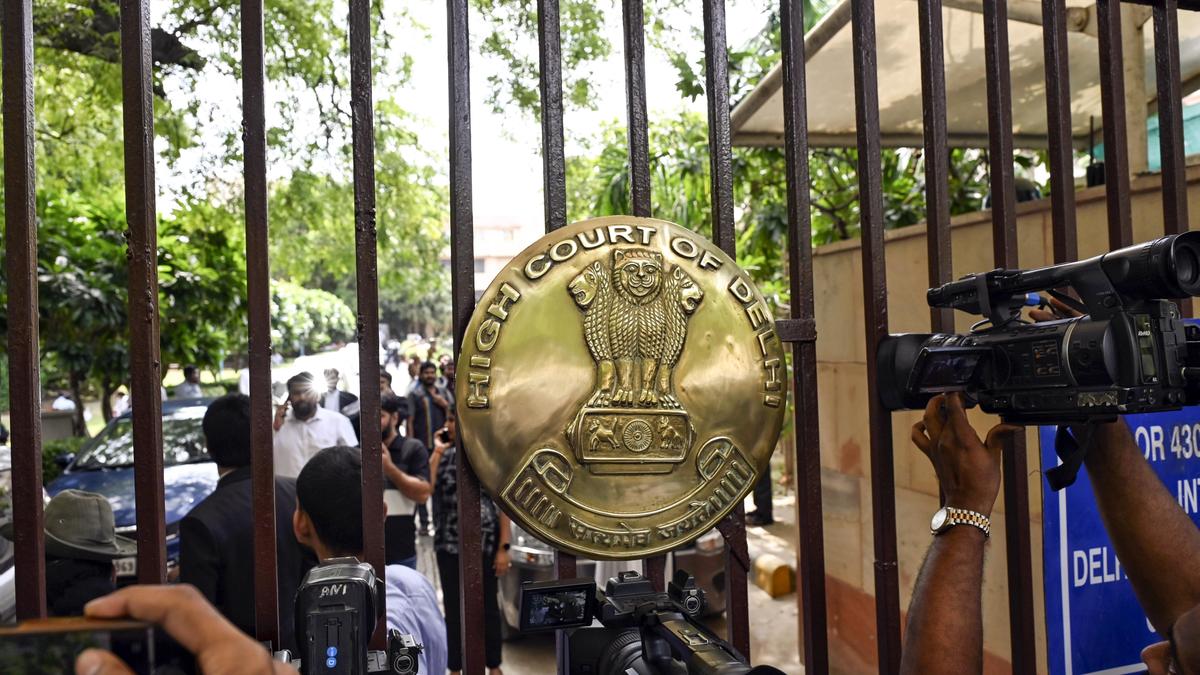
Fri Jan 09 23:00:39 UTC 2026: # Delhi High Court Upholds Election Commission’s Authority in Party Recognition
The Story:
On January 10, 2026, the Delhi High Court dismissed a petition filed by the Hind Samrajya Party challenging the Election Commission of India’s (EC) authority to recognize political parties as national or state-level entities. The court upheld the validity of the Election Symbols (Reservation and Allotment) Order, 1968, stating that the issues raised were already settled by the Supreme Court. The Hind Samrajya Party, a registered but unrecognised political entity, argued that the EC’s recognition process unfairly favored established parties.
The bench, comprising Justice Nitin Sambre and Justice Anish Dayal, affirmed that the allotment of election symbols is not a fundamental right and that the privileges enjoyed by recognised parties are based on qualifications stipulated under the Symbols Order of 1968 and the Representation of the People Act, 1951. The court found no grounds to support the petitioner’s claim of discrimination.
Key Points:
- The Delhi High Court dismissed a petition by the Hind Samrajya Party.
- The petition challenged the EC’s authority to classify parties as national or state-level.
- The court upheld the Election Symbols (Reservation and Allotment) Order, 1968.
- The court cited previous Supreme Court rulings on the matter.
- The Hind Samrajya Party argued that the symbol allotment process was discriminatory to new parties.
Critical Analysis:
The ruling reflects a continued deference to established legal precedent regarding election procedures. The Hind Samrajya Party’s challenge likely stems from frustration over the disadvantages faced by smaller or newly-formed parties in gaining visibility and competing with larger, more established political entities. Given the historical context, specifically the Delhi Assembly issuing notices to Punjab Police officers over FIR against Kapil Mishra, it suggests a politically charged environment where smaller parties might perceive a disadvantage in gaining traction compared to the established political powers.
Key Takeaways:
- The Election Commission’s authority to recognize political parties remains unchallenged in this instance.
- New and smaller parties may continue to face hurdles in gaining equal footing with established parties.
- The legal framework governing election processes is consistently being tested and affirmed.
- Court is following existing precedent when dealing with election regulations.
Impact Analysis:
The ruling reinforces the status quo of India’s electoral system, which favors established parties with greater resources and recognition. While this provides stability and predictability, it may also create barriers for new political movements seeking to gain prominence. The Hind Samrajya Party’s attempt to challenge the system suggests ongoing discontent with the electoral landscape and a desire for reforms that could level the playing field. It does not signal any immediate or significant disruption to the established political order.
 First Piper