
Fri Jan 09 20:55:00 UTC 2026: ### Headline: India Prioritizes Holistic Education Reform and Public Engagement to Achieve “Viksit Bharat” by 2047
The Story:
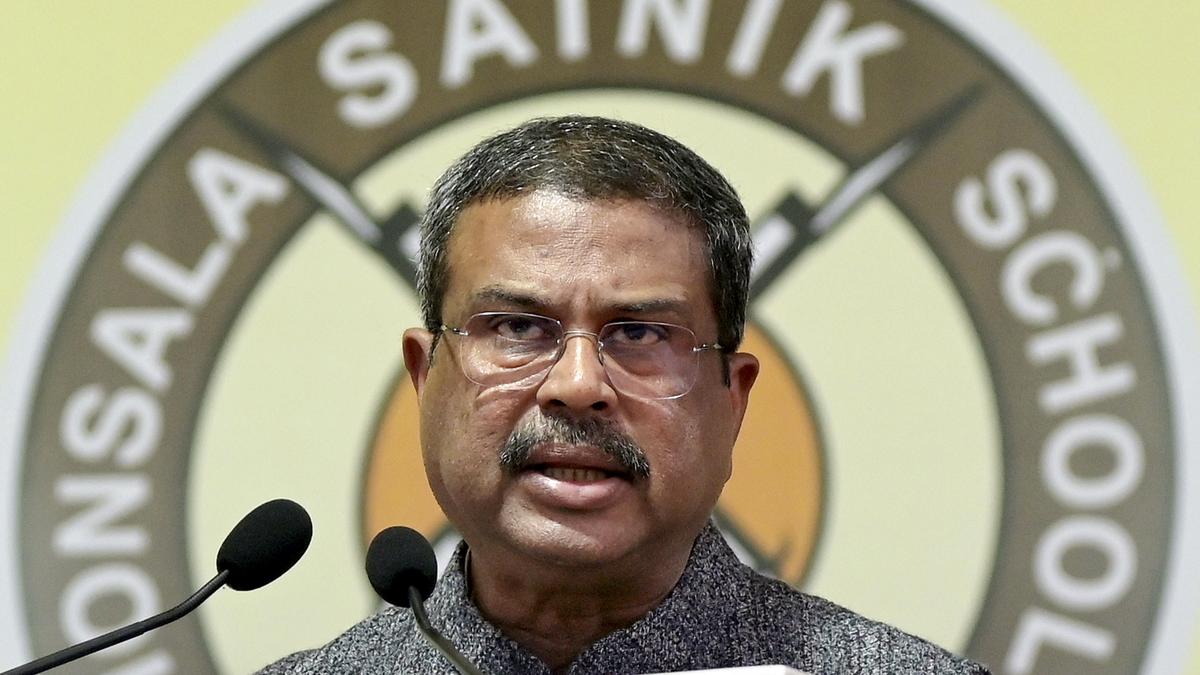
On January 9, 2026, Union Education Minister Dharmendra Pradhan chaired a consultative meeting in Delhi, focusing on the next phase of the Samagra Shiksha school education program. The meeting brought together state government representatives, education experts, and Union ministry officials to discuss strategies for strengthening school governance, infrastructure, teacher training, and student entitlements. A central theme was increasing public participation in school management and meaningfully integrating technology, particularly AI, into the curriculum.
The overarching goal is to achieve Prime Minister Narendra Modi’s vision of a “Viksit Bharat” by 2047, which requires achieving a 100% school enrollment ratio up to Class XII and improving overall learning outcomes. Minister Pradhan emphasized the need to move beyond mere access to quality education, transforming Samagra Shiksha into an outcome-driven framework aligned with the National Education Policy 2020.
Key Points:
- The meeting, chaired by Union Minister Dharmendra Pradhan and Skills Development Minister Jayant Chaudhary, focused on the next phase of the Samagra Shiksha school education program.
- A key suggestion was to increase public participation in school management committees.
- State representatives requested additional support for teacher training and capacity building.
- The Union Education Ministry emphasized the importance of integrating technology, including Artificial Intelligence (AI), into the school curriculum.
- The goal is to achieve 100% school enrollment up to Class XII and transform Samagra Shiksha into an outcome-driven framework aligned with the National Education Policy 2020, to attain “Viksit Bharat” by 2047.
Key Takeaways:
- The Indian government is prioritizing holistic education reform as a critical component of its national development goals.
- Public engagement in school management is being promoted to improve the quality of education.
- Technology integration, especially AI, is viewed as essential for modernizing the education system.
- Teacher training and capacity building remain a significant challenge requiring further investment.
- The emphasis is shifting from broad access to an outcome-oriented, quality-focused educational framework.
Impact Analysis:
This meeting and the initiatives discussed signal a significant long-term shift in India’s approach to education. The focus on public participation, technology integration, and outcome-driven learning will likely lead to:
- Enhanced Learning Outcomes: Improved curriculum and teaching methods can lead to better student performance and prepare them for future challenges.
- Increased Enrollment Rates: Efforts to achieve 100% enrollment will reduce dropout rates and provide more children with access to education.
- A Skilled Workforce: By focusing on critical skills and integrating AI into the curriculum, India aims to create a globally competitive workforce.
- National Development: Achieving the “Viksit Bharat” vision by 2047 will depend on the success of these education reforms in building a strong human capital base.
 First Piper