
Sat Jan 10 02:42:21 UTC 2026: ### Australia Declares State of Disaster as Bushfires Ravage Victoria
The Story:
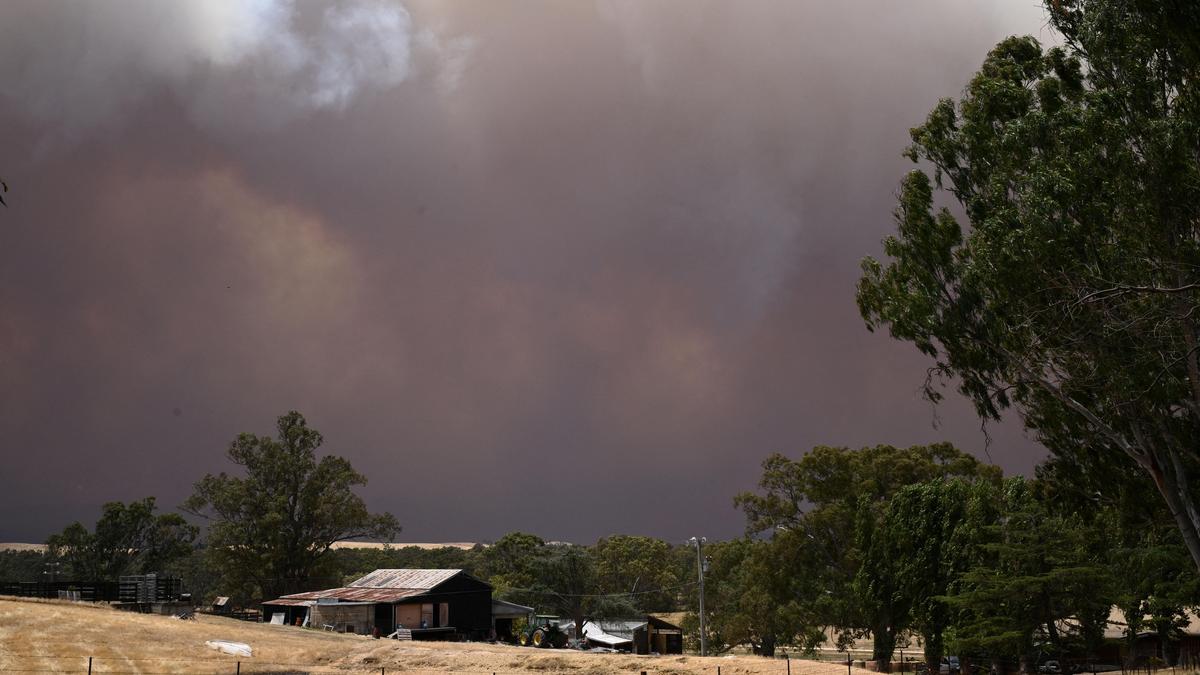
Australian authorities declared a state of disaster in Victoria on Saturday, January 10, 2026, as bushfires, fueled by a severe heatwave and hot winds, destroyed homes and vast swathes of forest. Temperatures soared past 40° C, creating fire conditions reminiscent of the devastating Black Summer bushfires of 2019-2020. A significant fire near Longwood has consumed nearly 150,000 hectares, impacting rural communities and prompting mass evacuations.
State Premier Jacinta Allan invoked emergency powers to protect lives, urging residents to heed evacuation orders. While conditions eased slightly on Saturday morning, over 30 separate bushfires continued to burn across the state, largely in sparsely populated rural areas.
Key Points:
- A state of disaster declared in Victoria, Australia on January 10, 2026, due to severe bushfires.
- Temperatures exceeded 40° C, exacerbating fire conditions.
- Approximately 150,000 hectares have been burned near Longwood.
- At least 20 houses destroyed in Ruffy, north of Melbourne.
- Emergency powers invoked to enforce evacuations and protect lives.
- Three people missing in one of the most dangerous fire grounds.
- More than 30 separate bushfires still burning.
- Australia’s climate has warmed by an average of 1.51° C since 1910, contributing to increased extreme weather.
Key Takeaways:
- The severity of the 2026 bushfires highlights the ongoing threat of climate change in Australia and the increasing frequency of extreme weather events.
- The declaration of a state of disaster underscores the immediate and critical need for coordinated emergency response and resource allocation.
- The event serves as a stark reminder of the vulnerability of rural communities to bushfires and the importance of proactive mitigation measures.
Impact Analysis:
The 2026 Victorian bushfires are likely to have significant and long-term environmental, economic, and social impacts. Environmentally, the loss of vast areas of native forest will impact biodiversity and carbon sequestration. Economically, the destruction of homes and infrastructure will require substantial investment in recovery and rebuilding. Socially, the trauma experienced by affected communities may lead to lasting mental health challenges. The event will likely intensify the debate about Australia’s reliance on fossil fuels and the need for more aggressive climate action policies.
 First Piper