
Sat Jan 10 16:20:20 UTC 2026: Headline: AAP Accuses BJP, Congress, and SAD of Religious Sacrilege, Sparks Protests Across Punjab
The Story:
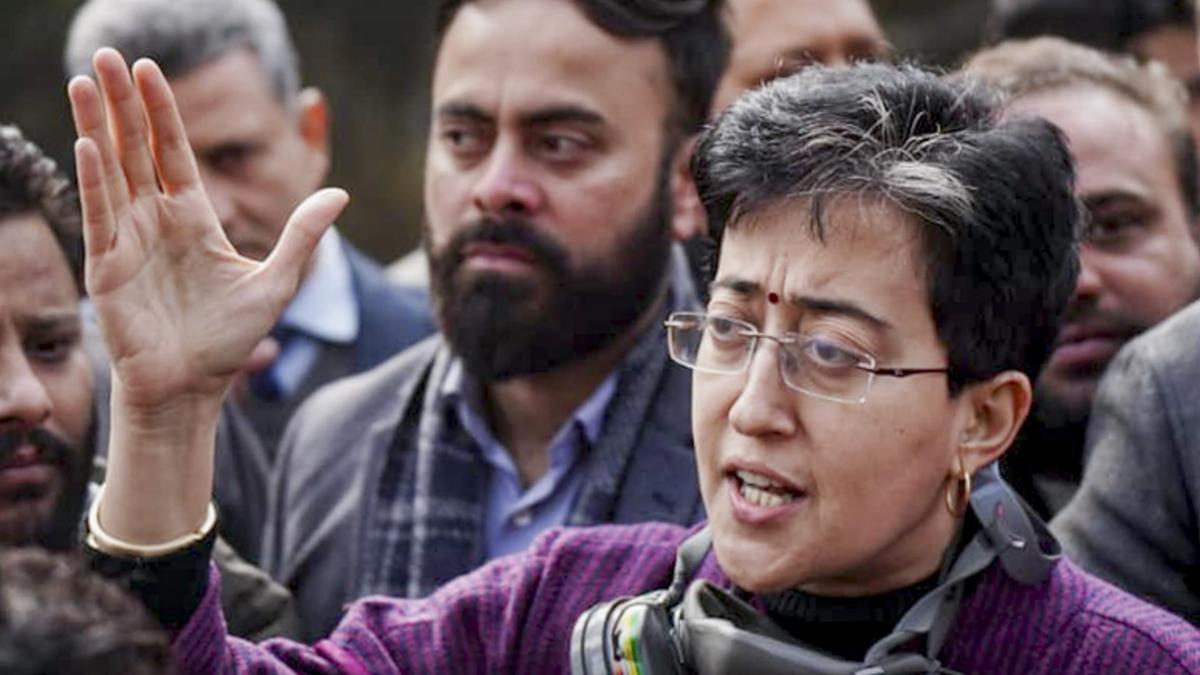
The Aam Aadmi Party (AAP) has launched widespread protests in Punjab on Saturday, January 10, 2026, alleging that the Bharatiya Janata Party (BJP), the Congress, and the Shiromani Akali Dal (SAD) intentionally circulated a doctored video of AAP leader and former Delhi Chief Minister Atishi, thereby hurting religious sentiments. The AAP claims the video, which it calls an act of “beadbi” (sacrilege) against the Guru Sahib, was manipulated for political gain. A First Information Report (FIR) has been filed, and a forensic examination reportedly confirmed the video’s deliberate manipulation.
The controversy stems from a debate in the Delhi Assembly in November 2025 regarding a program commemorating the 350th martyrdom day of Guru Tegh Bahadur. Delhi BJP leaders, including Law Minister Kapil Mishra, used the clip to accuse Atishi of insulting the Guru. This has led to AAP workers demonstrating outside the residences of prominent BJP, Congress, and SAD leaders across Punjab, demanding strict action against those responsible for circulating the allegedly fake video.
Key Points:
- AAP alleges BJP, Congress, and SAD circulated a doctored video of Atishi, leading to protests in Punjab on January 10, 2026.
- The AAP accuses the opposition parties of “beadbi” (sacrilege) against Guru Sahib.
- An FIR has been registered, and a forensic report confirms the video was deliberately manipulated.
- The controversy originates from a Delhi Assembly debate in November 2025.
- Delhi BJP leaders, including Kapil Mishra, accused Atishi of insulting Guru Tegh Bahadur based on the video.
- Delhi Assembly Speaker Vijender Gupta has threatened action against the Jalandhar Police Commissioner for “breach of privilege.”
- Atishi claims the video was manipulated to insert Guru Tegh Bahadur’s name falsely.
Key Takeaways:
- The incident highlights the increasing use of manipulated media in Indian politics and the potential for it to inflame religious sentiments.
- The AAP is strategically leveraging the controversy to mobilize its base in Punjab and to portray itself as a defender of religious values.
- The involvement of multiple political parties suggests a potentially coordinated effort to undermine Atishi and the AAP, or at least a willingness to capitalize on a politically sensitive issue.
- The incident reveals the fragility of inter-party relations and the willingness of political actors to engage in divisive tactics.
- The forensic confirmation of manipulation is crucial; without it, the AAP’s claims would be far less credible.
Impact Analysis:
- Short-Term: Expect heightened political tensions in Punjab and Delhi, with potential for further protests and counter-accusations. The FIR and potential legal proceedings will keep the issue in the public eye.
- Medium-Term: The incident could impact the upcoming elections in Punjab, influencing voter perceptions of the AAP and its rivals. The credibility of news sources and social media platforms will be under scrutiny.
- Long-Term: This case may set a precedent for how Indian political parties address and counter the spread of fake news and manipulated media, especially concerning religious figures. The incident might influence regulations related to content moderation on social media platforms. The public trust in media and political discourse might be further eroded, depending on how the situation is resolved.
 First Piper