
Fri Jan 09 00:32:00 UTC 2026: ### Rajasthan Panchayat Retracts Smartphone Ban for Women After Outcry
The Story:
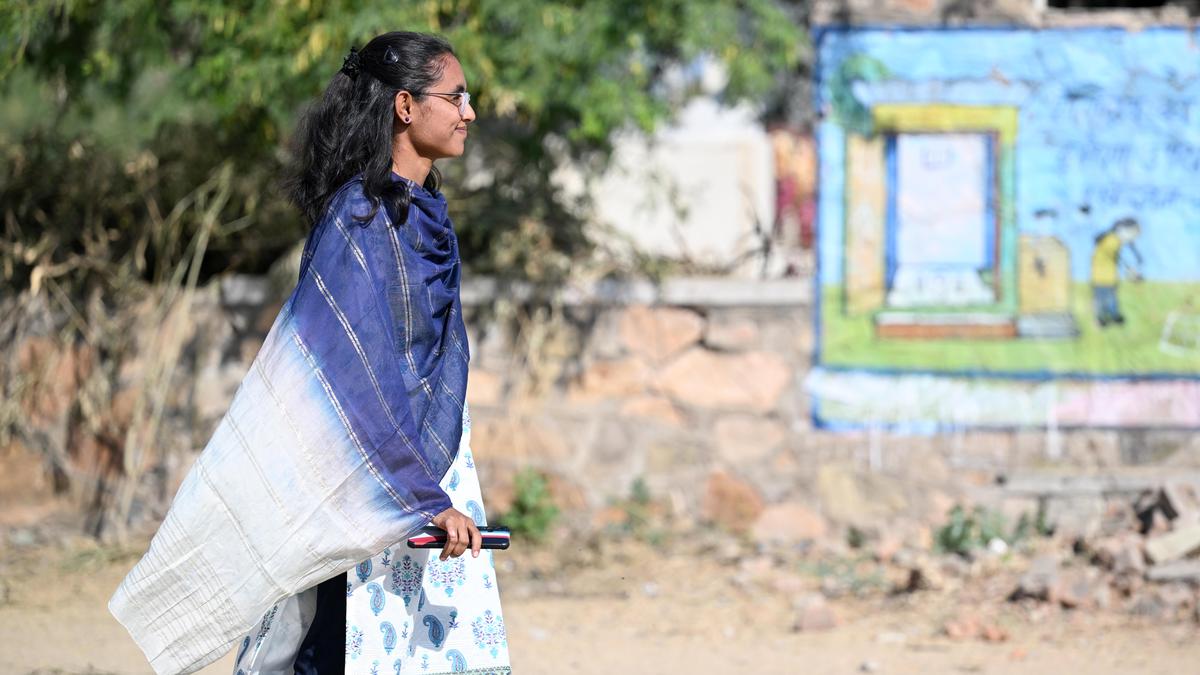
A caste panchayat in the Jalore district of Rajasthan, India, initially issued a diktat on December 21, 2025, banning women from using smartphones with cameras. This decision sparked widespread condemnation, with comparisons drawn to the Taliban’s restrictive practices. The panchayat claimed the decision was made after women complained about children overusing smartphones. The National Human Rights Commission (NHRC) intervened, issuing a notice to the District Magistrate of Jalore. Following backlash and official intervention, the panchayat retracted the order on December 25, 2025. The incident highlights the ongoing tension between traditional social norms and the increasing access to technology for women in rural India.
Key Points:
- On December 21, 2025, the Chaudhury caste panchayat in Jalore, Rajasthan, banned women from using smartphones with cameras.
- The panchayat claimed the decision was made due to complaints from women about children’s smartphone overuse.
- The diktat was recorded and circulated on social media, leading to widespread criticism.
- The NHRC issued a notice to the District Magistrate of Jalore, demanding a report within two weeks.
- The panchayat retracted the order on December 25, 2025, following official intervention and backlash.
- A Telecom 2025 survey found that in rural India, 80.7% of men own mobile phones compared to 48.45% of women.
Critical Analysis:
The related historical context provides limited information. However, the news about Iranian women protesting by lighting cigarettes with Khamenei’s photo suggests broader movements of women globally challenging restrictive cultural norms.
Key Takeaways:
- Traditional power structures in India continue to exert control over women’s lives, particularly in rural areas.
- Access to technology remains unequal, with a significant gender gap in mobile phone ownership.
- Social media can amplify both discriminatory practices and the subsequent outrage, leading to swift, although potentially superficial, change.
- External pressure from human rights bodies and government intervention can influence traditional authorities.
- The incident reflects a struggle between modernization, empowerment of women and entrenched patriarchal norms, which is likely to persist in the years to come.
Impact Analysis:
The incident’s long-term implications are difficult to predict without further context. However, it underscores the ongoing struggle for gender equality in India and the need for continued vigilance against discriminatory practices. The fact that the panchayat retracted the order suggests that public opinion and government intervention can be effective in challenging such dictates, at least temporarily. However, deeper attitudinal changes within the community will likely require sustained efforts to promote gender equality and empower women.
 First Piper