
Thu Jan 08 18:47:29 UTC 2026: ### Headline: Jallikattu Season Begins with Focus on Native Breed Preservation in Tamil Nadu
The Story:
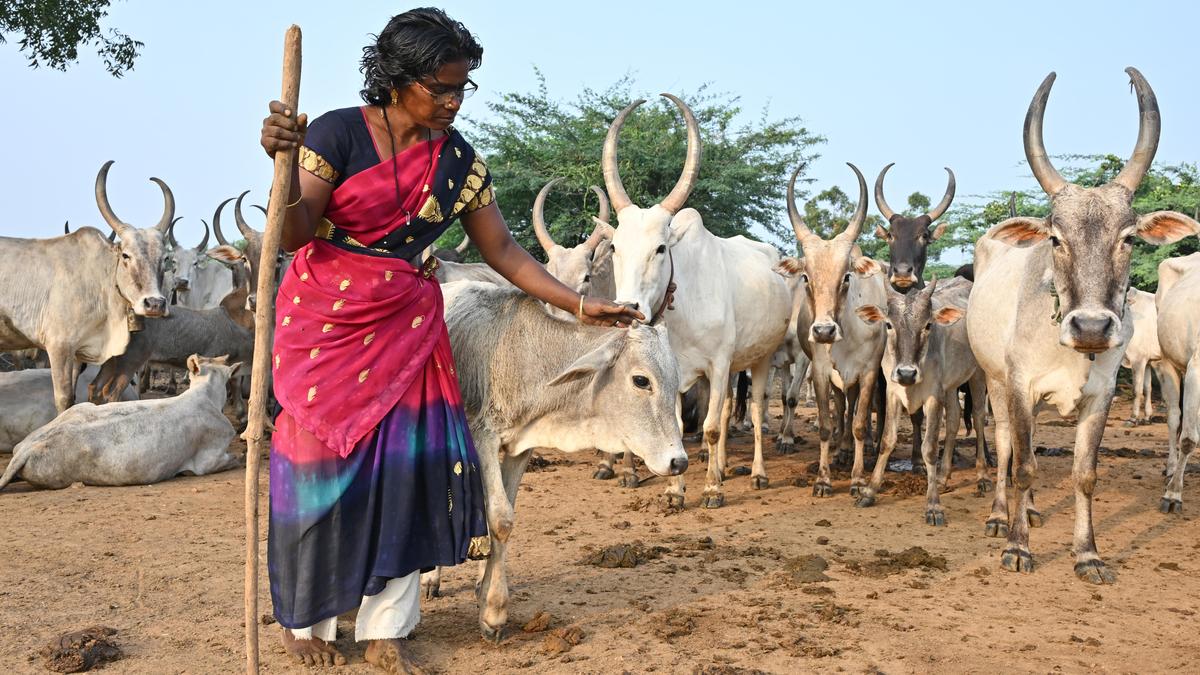
As January 2026 marks the start of the Jallikattu season in Tamil Nadu, India, a quieter, but equally crucial, aspect of the tradition is gaining attention: the selective breeding, careful rearing, and sale of native bull calves. Villages like Thottiapatti near Madurai are centers for preserving native breeds like the Keda Maadu, also known as Kizhakathi Maadu, valued for their endurance, agility, and alertness, all key qualities for Jallikattu bulls. Families like Indra’s have been involved in this practice for generations, emphasizing the importance of maintaining strong native lines and passing down the tradition to younger generations.
Key Points:
- Jallikattu season begins in January in Tamil Nadu.
- Villages such as Thottiapatti near Madurai focus on the preservation of native bull breeds.
- Keda Maadu (Kizhakathi Maadu) are preferred for Jallikattu due to their endurance, agility, and alertness.
- S. Duraisamy and A. Indra highlight the focus on preserving native lines rather than commercial milk production.
- Calves around three months old are preferred by rearers and can cost around ₹15,000.
- The ideal age for a bull to enter the vadivaasal is around three years.
- Women play a vital role in raising and caring for the native breeds.
- Older cows are respectfully buried.
Critical Analysis:
The article emphasizes the importance of preserving native cattle breeds in the context of Jallikattu. This focus likely arises from increasing awareness of biodiversity and the need to maintain traditional practices that are closely tied to specific breeds. Also, there may have been regulations, or the threat of regulations, aimed at preserving native breeds.
Key Takeaways:
- The Jallikattu tradition is intrinsically linked to the preservation of specific native bull breeds.
- Local communities prioritize the qualities of these native breeds (endurance, agility) for Jallikattu over commercial milk production.
- The intergenerational aspect of this practice ensures the continuation of both the tradition and the preservation efforts.
- The economic aspect is visible where bull calves are sold to enthusiast for a price based on their age.
Impact Analysis:
The emphasis on preserving native breeds and traditions associated with Jallikattu may have a long-term impact on:
- Biodiversity: Encouraging the conservation of Keda Maadu and other native breeds.
- Rural Economy: Supporting local economies centered around cattle rearing and related activities.
- Cultural Heritage: Reinforcing the cultural significance of Jallikattu and the associated traditions.
- Tourism: Attracting enthusiasts and tourists interested in witnessing and learning about the tradition.
 First Piper