
Fri Jan 09 07:35:24 UTC 2026: # Ceasefire Declared in Aleppo After Days of Deadly Clashes
The Story:
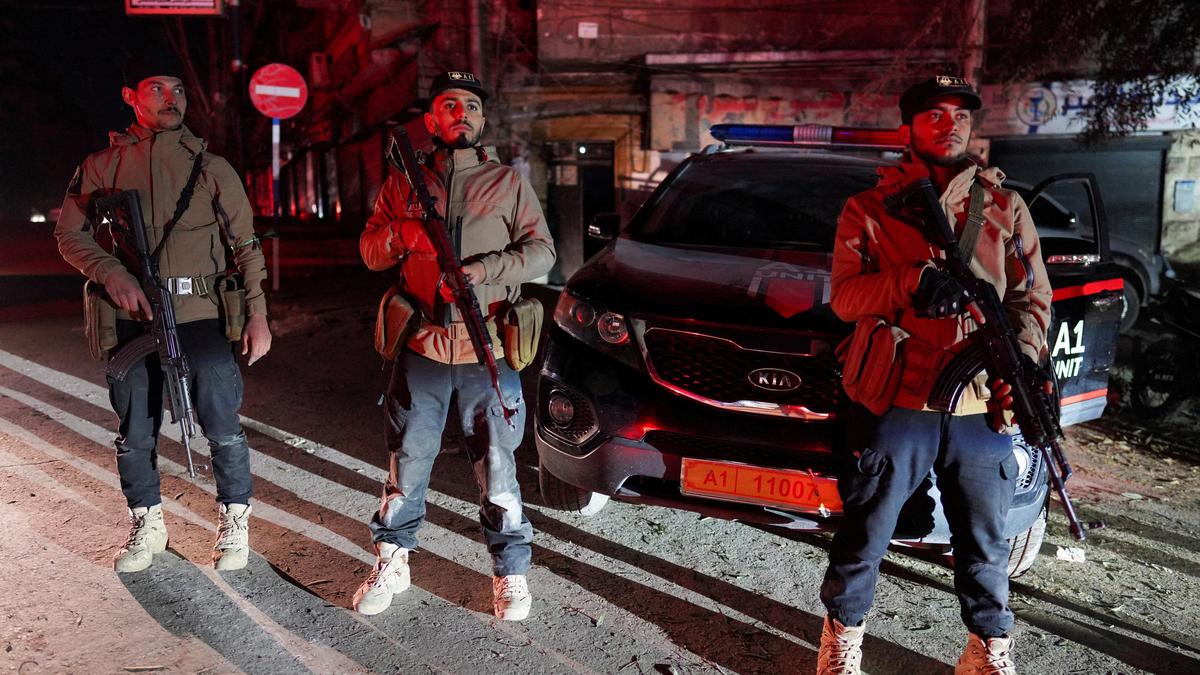
A ceasefire has been declared in Aleppo, Syria, on Friday, January 9, 2026, after three days of intense fighting between government forces and Kurdish fighters of the Syrian Democratic Forces (SDF). The clashes, which began on Tuesday, January 6, 2026, resulted in the displacement of approximately 142,000 people and left at least 22 civilians dead. The ceasefire, brokered with the help of the U.S., is intended to allow armed groups to withdraw from contested neighborhoods with their personal weapons, under the escort of security forces.
Key Points:
* A ceasefire went into effect in Aleppo at 3 a.m. on January 9, 2026, in the neighborhoods of Sheikh Maqsoud, Achrafieh, and Bani Zaid.
* The ceasefire gives armed groups six hours to leave the area, escorted to the Kurdish-controlled northeast.
* The fighting resulted in 142,000 displaced persons and at least 22 civilian deaths.
* The U.S. envoy to Syria, Tom Barrack, welcomed the ceasefire and thanked all parties for their restraint.
* Clashes arose amid an impasse in political negotiations over the integration of the SDF into the Syrian army, a deal initially signed in March 2025.
* The Syrian government, under interim President Ahmad al-Sharaa, and the SDF have disagreed on the terms of the merger.
Critical Analysis:
The events unfolding in Aleppo highlight the precarious nature of the post-Assad Syrian landscape. The March 2025 agreement for the SDF to merge with the Syrian army appears to be fracturing, driven by disagreements over implementation and the presence of former Turkey-backed insurgent groups within the newly formed Syrian army. This situation is further complicated by the US’s dual approach, maintaining support for the SDF while simultaneously developing closer ties with the al-Sharaa government, creating an environment where neither side fully trusts the other, and violence becomes an easy way out of political stalemates.
Key Takeaways:
- The ceasefire is fragile and its long-term viability is uncertain, dependent on both sides respecting the terms and continuing negotiations.
- The integration of the SDF into the Syrian army remains a contentious issue and a potential flashpoint for future conflict.
- The U.S.’s role as a mediator is crucial but complicated by its relationships with both the Syrian government and the SDF.
- The involvement of former Turkey-backed insurgent groups in the Syrian army adds another layer of complexity to the conflict.
- The violence underscores the need for a more comprehensive and inclusive political solution in Syria.
Impact Analysis:
This event series, though seemingly localized to Aleppo, has potentially far-reaching implications for the stability of Syria and the broader region. The failure of the SDF-Syrian army integration could lead to renewed conflict, further destabilizing the country and potentially drawing in regional actors like Turkey. The displacement of 142,000 people creates a humanitarian crisis and increases the burden on already strained resources. The long-term impact hinges on the ability of the various parties to overcome their differences and find a lasting political solution. Failure to do so risks prolonging the Syrian conflict indefinitely.
 First Piper