
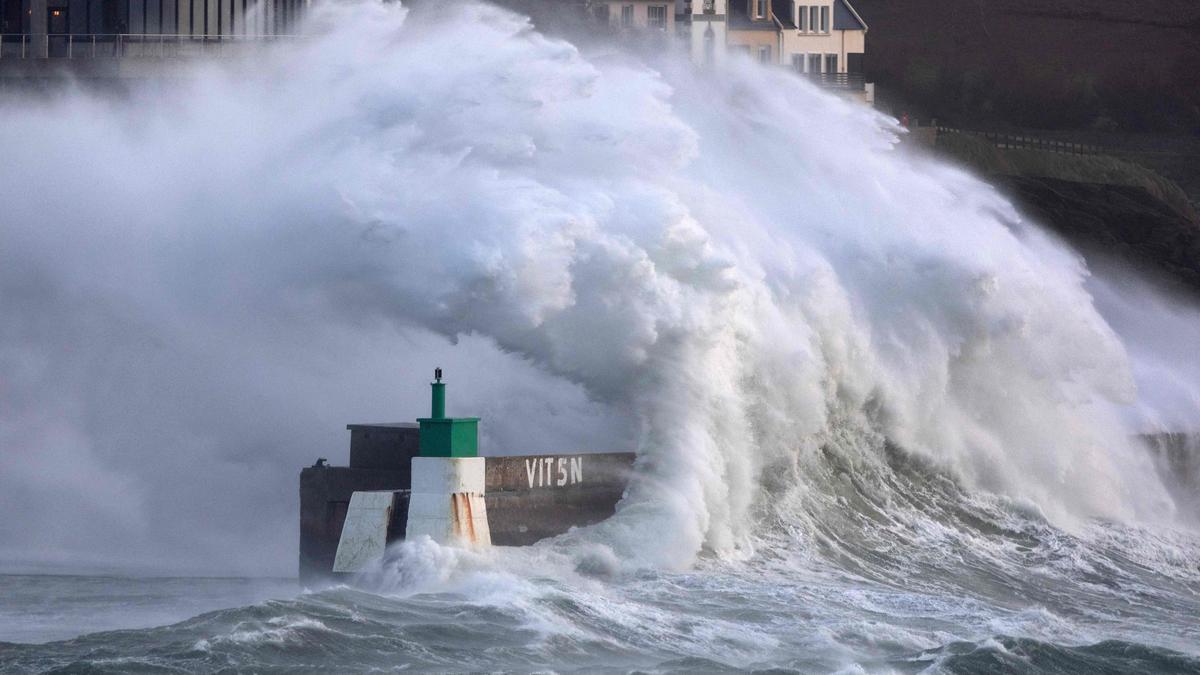
Fri Jan 09 08:12:31 UTC 2026: ### Storm Goretti Batters Northern Europe, Leaving Hundreds of Thousands Without Power
The Story:
Storm Goretti swept across northern Europe on Friday, January 9, 2026, unleashing fierce winds and heavy snow that disrupted daily life for millions. France and Britain bore the brunt of the storm, with hundreds of thousands of households losing power amidst plunging winter temperatures. Transportation networks were significantly impacted, with train services delayed or canceled across the region. Emergency services struggled to cope with the widespread damage and hazardous conditions.
Authorities across several countries issued weather warnings and urged residents to remain indoors and avoid unnecessary travel. Schools were closed in many areas, and emergency services were mobilized to clear snow and respond to incidents. While the storm is expected to subside by Monday, January 12, 2026, the aftermath will likely continue to pose challenges for affected communities.
Key Points:
* Storm Goretti hit northern Europe on January 9, 2026, bringing strong winds and snow.
* 380,000 households in France and 65,000 in Britain lost power.
* Wind gusts reached 216 km/h (134 mph) in France.
* The U.K. Met Office issued amber snow warnings, predicting up to 30 centimetres (11 inches) of snow.
* Train services were disrupted across the U.K. and Germany.
* Schools closed in northern France and parts of Germany.
* Temperatures could fall as low as -20C in some areas.
* The storm is expected to last until Saturday, January 10, 2026, with snowfall stopping on Monday, January 12, 2026.
* Extreme weather in Europe caused at least eight deaths.
Critical Analysis:
The historical context indicates a pattern of severe weather events impacting Europe in early January 2026. Storm Goretti follows previously reported storms like “Elli”, creating a cumulative effect. This suggests a potential shift in the frequency or intensity of winter storms in the region. The timing is critical, as these storms are hitting in quick succession, hindering recovery efforts and straining resources.
Key Takeaways:
* Northern Europe is experiencing a period of heightened storm activity in early 2026.
* Infrastructure vulnerability is highlighted by widespread power outages and transportation disruptions.
* Emergency preparedness and response capabilities are being tested across multiple nations.
* Successive storms can create more damage than isolated incidents.
* The scientific debate continues on whether or not these storms are a direct consequence of climate change.
Impact Analysis:
The short-term impacts are clear: power outages, transportation delays, school closures, and economic disruptions. Longer-term, these storms may force a reevaluation of infrastructure resilience and emergency response strategies across Europe. Governments might invest in upgrading power grids, improving flood defenses, and enhancing weather forecasting capabilities. There could also be an increased focus on climate change adaptation measures, though as the DWD meteorologist stated, individual events are difficult to directly attribute to climate change. The repeated disruption caused by storms could also influence public policy and lead to increased public awareness of climate-related risks.
 First Piper