
Fri Jan 09 17:35:56 UTC 2026: ### Rampaging Elephant Kills 17 in Jharkhand, India, Sparking Fear and Demands for Action
The Story:
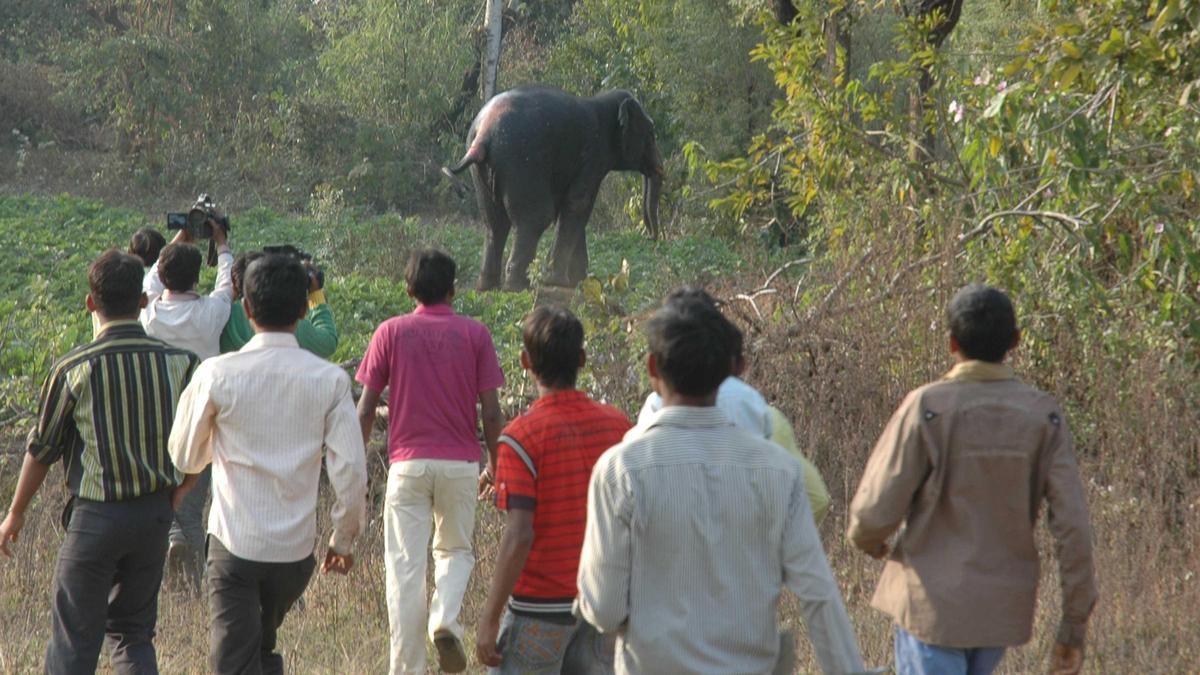
A wild elephant in the West Singhbhum district of Jharkhand, India, has killed 17 people in the Chaibasa forest division over the past nine days, according to a report published on January 9, 2026. The latest incident occurred in Tilkouti village, where the elephant killed two more people, including a minor. Forest department officials and specialized teams from various regions are on site attempting to tranquilize and control the rogue animal. Villagers are living in fear, demanding a permanent solution and compensation for the families of the deceased.
Key Points:
- A wild elephant killed two more people in Tilkouti village on January 9, 2026, bringing the death toll to 17 in nine days.
- The incidents occurred in the Chaibasa forest division of West Singhbhum district, Jharkhand.
- The deceased included a 40-year-old man, Prakash Das, and a minor.
- Forest officials and teams from Vantara (Gujarat), Bankura (West Bengal), Odisha Wildlife, and Jamshedpur are working to tranquilize the elephant.
- The elephant is reportedly moving violently across the Kolhan region, hindering location efforts, although drones are being used.
- The elephant mostly attacks at night, entering residential areas since January 1, 2026.
- On January 6, 2026, the elephant killed seven villagers in Babadia and Sialjoda villages, including a family of four.
- Villagers are demanding a permanent solution and compensation for the families of the victims.
Critical Analysis:
The frequency and severity of these attacks suggest a potential disruption in the elephant’s natural habitat and behavior. Increased human encroachment on traditional elephant migration routes or resource scarcity within the forest could be contributing factors. The fact that the attacks are occurring at night and within residential areas indicates a growing boldness on the part of the elephant, possibly driven by desperation or habituation to human presence.
Key Takeaways:
- Human-wildlife conflict is escalating in the Chaibasa forest division of Jharkhand, India.
- The current strategies employed by the forest department have been ineffective in preventing further casualties.
- A comprehensive investigation into the causes of the elephant’s aggression is needed to develop sustainable solutions.
- Community engagement and awareness programs are crucial to mitigate future conflicts and ensure public safety.
- The event highlights the need for a balanced approach that protects both human lives and wildlife conservation efforts.
Impact Analysis:
The immediate impact is the fear and disruption in the lives of villagers in the affected areas. Long-term, this situation could lead to increased animosity towards wildlife and undermine conservation efforts. If a sustainable solution isn’t found, the elephant population could face further persecution as villagers seek to protect themselves. Furthermore, the incident underscores the need for better land management practices and wildlife corridors to prevent similar conflicts in the future. This could prompt policy changes at the state or national level to address human-wildlife conflict.
 First Piper