
Fri Jan 09 02:48:05 UTC 2026: # Pakistan Threatens Action Over Indian Water Projects, Denies Terror Allegations
The Story:
Pakistan has stated it will raise concerns with India at both political and diplomatic levels regarding any development activities on the western rivers that violate the 1960 Indus Water Treaty (IWT). This announcement, made on January 8, 2026, comes after India reportedly put the IWT in “abeyance” following the April 22, 2025, Pahalgam terror attack. Foreign Office spokesperson Tahir Andrabi emphasized the IWT remains a binding international agreement without any clause for suspension. Andrabi also rejected India’s accusations of Pakistan running training camps for terrorists and accused India of coercion against smaller states and repression of its minorities.
Key Points:
- Pakistan will take up with India any development activity on western rivers violating the Indus Water Treaty (IWT) at political and diplomatic levels.
- The Foreign Office spokesperson, Tahir Andrabi, asserts that the IWT remains a binding international instrument with no provision for abeyance.
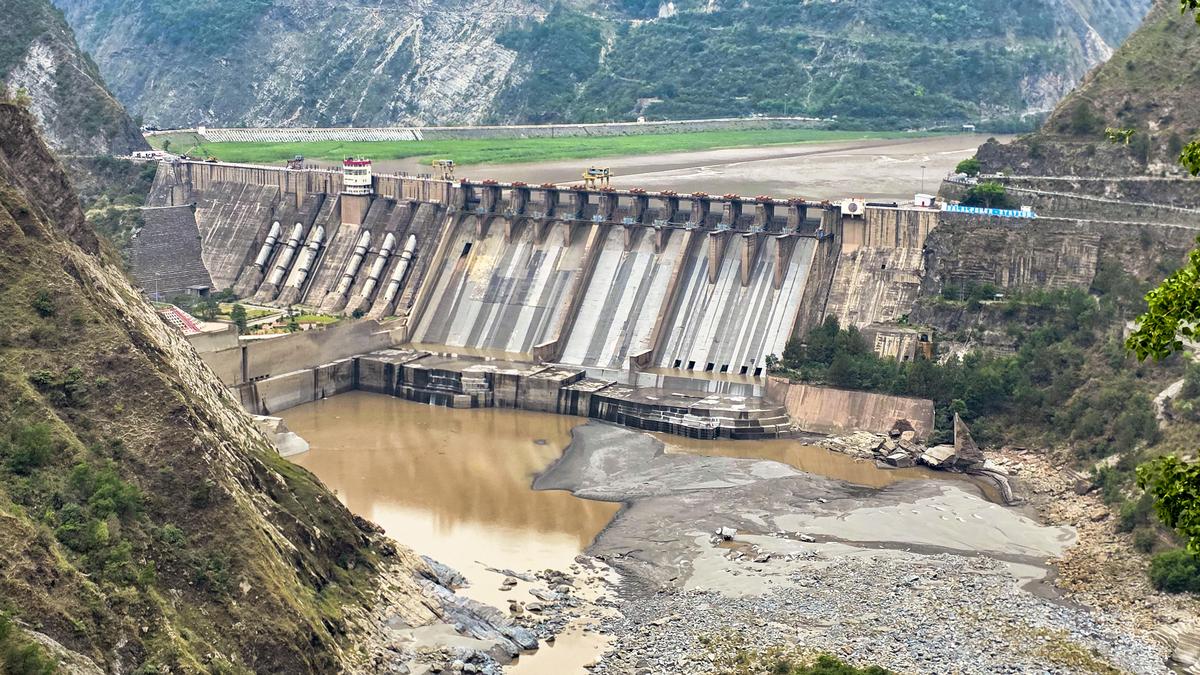
- Pakistan’s Indus Water Commissioner has already written about concerns regarding projects on the Chenab River.
- Pakistan rejects India’s claims of running training camps for terrorism, accusing India of coercion and repression.
- Pakistan demands written assurances from Afghanistan to stop militancy emanating from its territory.
Key Takeaways:
- The Indus Water Treaty, a long-standing agreement, is once again a point of contention between India and Pakistan.
- The suspension of the IWT is viewed as a retaliatory measure by India following a terror attack in April 2025.
- Pakistan’s response is to assert the treaty’s validity and threaten to internationalize the issue.
- The event highlights the complex and intertwined nature of water rights, security concerns, and diplomatic relations between the two nations.
- Accusations of terrorism continue to fuel tensions and undermine trust between India and Pakistan.
 First Piper