
Wed Jan 07 18:07:12 UTC 2026: # Lingering Questions Surround COVID-19 Origins as Climate Change Fuels Viral Mutations
The Story:
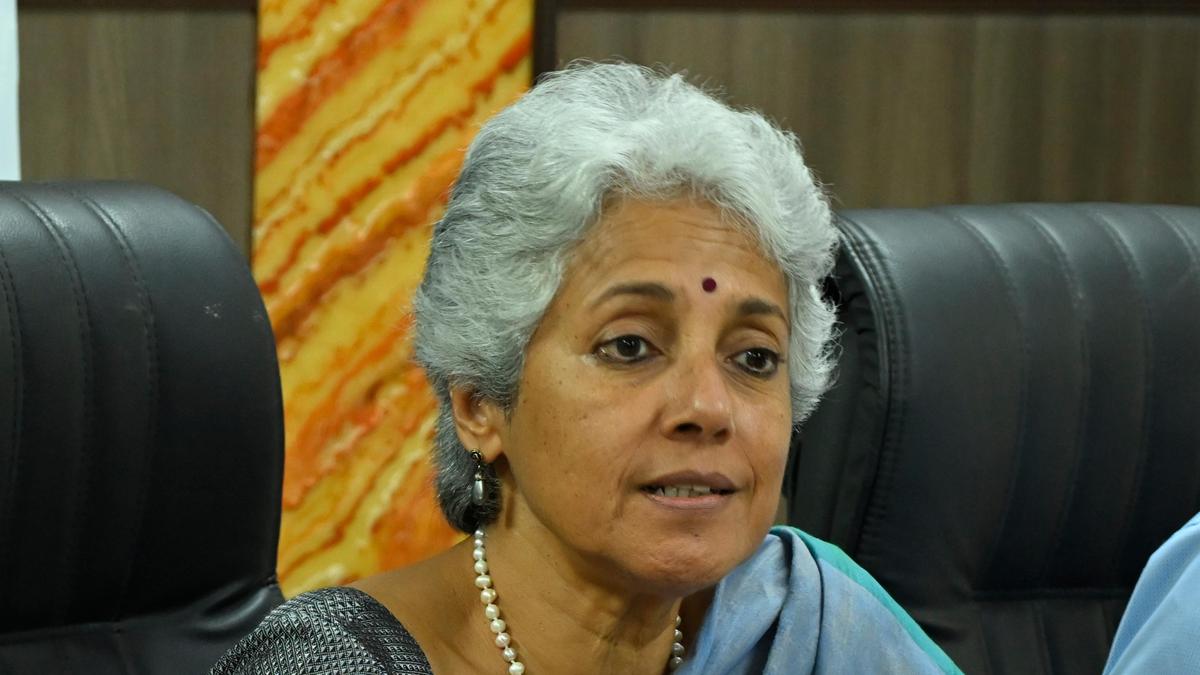
Former World Health Organisation (WHO) chief scientist Soumya Swaminathan addressed the unresolved origins of SARS-CoV-2, stating that while a deliberate lab release lacks scientific basis, the data from the Wuhan lab was insufficient for a definitive conclusion. Speaking at a lecture in Hyderabad on January 7, 2026, she emphasized the increasing influence of climate change on viral mutations, citing the H1N1 influenza virus as an example. She also highlighted the urgent need for coordinated public policy changes to mitigate the health impacts of climate change, drawing parallels to successful strategies implemented in China and London.
Key Points:
* Soumya Swaminathan asserts the origins of SARS-CoV-2 remain unresolved due to a lack of data from the Wuhan lab.
* She dismisses the hypothesis of a deliberately manufactured virus but avoids a definitive conclusion regarding natural or accidental lab leak origin.
* Climate change is influencing viral mutations, exemplified by the increasing spillover events of the H1N1 influenza virus from birds to mammals.
* Swaminathan stresses the urgent need for public policy changes and strong implementation to address the health threats of climate change, pointing to China and London as models.
* She warns of significant biodiversity loss and the breaching of the 1.5°C temperature limit, potentially leading to a 2.5-3°C increase above pre-industrial levels by the end of the century.
Critical Analysis:
The continued uncertainty surrounding the origins of COVID-19, even six years after the initial outbreak, points to the sensitivity and geopolitical complexities inherent in investigating the pandemic’s genesis. The reluctance to definitively rule out any specific origin hypothesis underscores the ongoing scientific and political debate, especially considering the lack of complete transparency regarding research conducted at the Wuhan Institute of Virology. Simultaneously, the increased focus on climate change’s role in viral mutations indicates a shifting emphasis toward addressing the environmental factors contributing to emerging infectious diseases, which likely reflects global concerns about the long-term impacts of climate change on public health.
Key Takeaways:
* The COVID-19 origin debate persists, hampered by insufficient data and geopolitical considerations.
* Climate change is increasingly recognized as a significant driver of viral mutations and spillover events.
* Proactive public health strategies must address both climate change and pandemic preparedness.
* International collaboration and knowledge sharing are essential for tackling global health challenges.
* Biodiversity loss and rising global temperatures pose severe risks to both ecosystems and human health.
Impact Analysis:
The ongoing uncertainty surrounding COVID-19 origins could continue to fuel distrust in public health institutions and international organizations like the WHO. Furthermore, the recognition of climate change as a driver of viral mutations will likely lead to increased investment in research focused on the intersection of climate change and infectious diseases. This could stimulate development of new surveillance systems, adaptation strategies, and mitigation policies, as well as accelerate efforts to reduce global carbon emissions and protect biodiversity. The call for international collaboration could further promote scientific cooperation and the development of global health security frameworks, although geopolitical tensions may hinder progress in this area.
 First Piper