
Wed Jan 07 21:40:00 UTC 2026: # Tensions Rise in Israel as Ultra-Orthodox Protests Turn Deadly
The Story:
A teenage boy, Yosef Eisenthal, age 14, was killed on Tuesday, January 6, 2026, during a protest in Jerusalem by ultra-Orthodox Jewish demonstrators. The protest was against a law seeking to draft them into Israel’s military. The incident occurred when a bus driver allegedly ran over Eisenthal. The driver claims he was attacked by protesters before the incident. Prime Minister Benjamin Netanyahu has called for calm and ordered a thorough investigation. The bus driver’s arrest has been extended until January 15, 2026.
Key Points:
- January 6, 2026: Yeshiva student Yosef Eisenthal, 14, was killed during a protest against drafting ultra-Orthodox Jews into the Israeli military.
- The incident involved a bus driver who allegedly ran over the boy and claimed he was attacked by protesters.
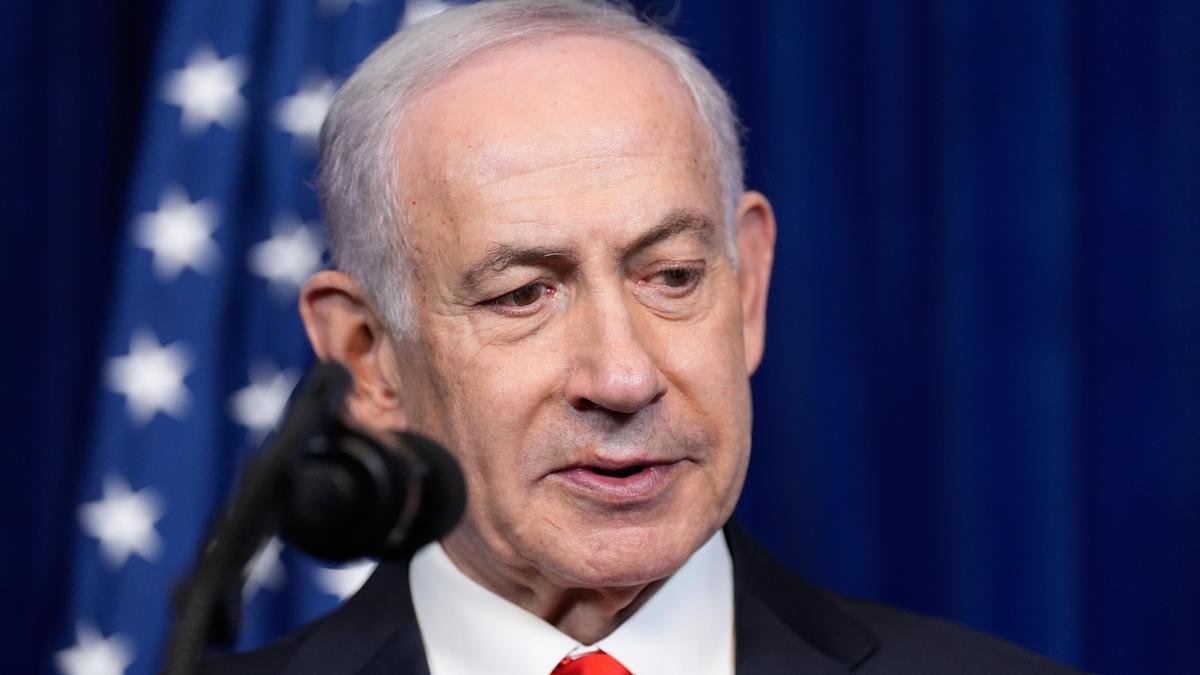
- Benjamin Netanyahu urged restraint and promised a thorough investigation.
- The bus driver’s arrest was extended to January 15, 2026.
- Protests have become increasingly violent, with demonstrators throwing objects at police.
- The issue of drafting ultra-Orthodox Jews has been a source of tension between the government and the Haredi community.
- Exemptions from military service for ultra-Orthodox scholars, initially granted in 1948, have expanded significantly over time.
Critical Analysis:
The events highlight a deep-seated and growing divide within Israeli society. The ultra-Orthodox community’s staunch opposition to military conscription, rooted in their religious beliefs and way of life, clashes with the secular population’s expectation of universal service, especially after recent conflicts. The political ramifications are significant, as Netanyahu’s coalition relies on the support of religious parties, putting him in a precarious position where he must balance the demands of his religious allies with the expectations of the broader public and the need to maintain social order.
Key Takeaways:
- The incident underscores the escalating tensions surrounding military conscription for ultra-Orthodox Jews in Israel.
- Netanyahu’s response reflects the delicate balancing act required to maintain his coalition government.
- The violence highlights the potential for further social unrest and political instability.
- The historical context reveals how exemptions granted in 1948 have evolved into a major point of contention.
- This event emphasizes the critical need for dialogue and compromise between the government and the ultra-Orthodox community to prevent further escalation.
Impact Analysis:
This event has the potential to significantly impact Israeli politics and society. It could lead to:
- Political Instability: The issue could fracture Netanyahu’s coalition if he is forced to take a definitive stance that alienates either the religious parties or the secular public.
- Increased Social Division: Further polarization between secular and ultra-Orthodox communities could lead to more frequent and violent protests.
- Legislative Changes: The government may attempt to pass legislation that either addresses the conscription issue directly or seeks to quell the protests, potentially sparking further controversy.
- International Scrutiny: The incident may draw international attention and criticism, particularly if the government’s response is perceived as either overly repressive or as unduly favoring one side of the issue.
- Shift in Public Opinion: The death of Yosef Eisenthal could sway public sentiment, either towards greater support for drafting the ultra-Orthodox or towards more leniency, depending on how the investigation unfolds and how the media portrays the event.
 First Piper