
Fri Jan 09 07:07:51 UTC 2026: # Chennithala Accuses Kerala CM Vijayan of Aiding BJP, Polarizing Voters
The Story:
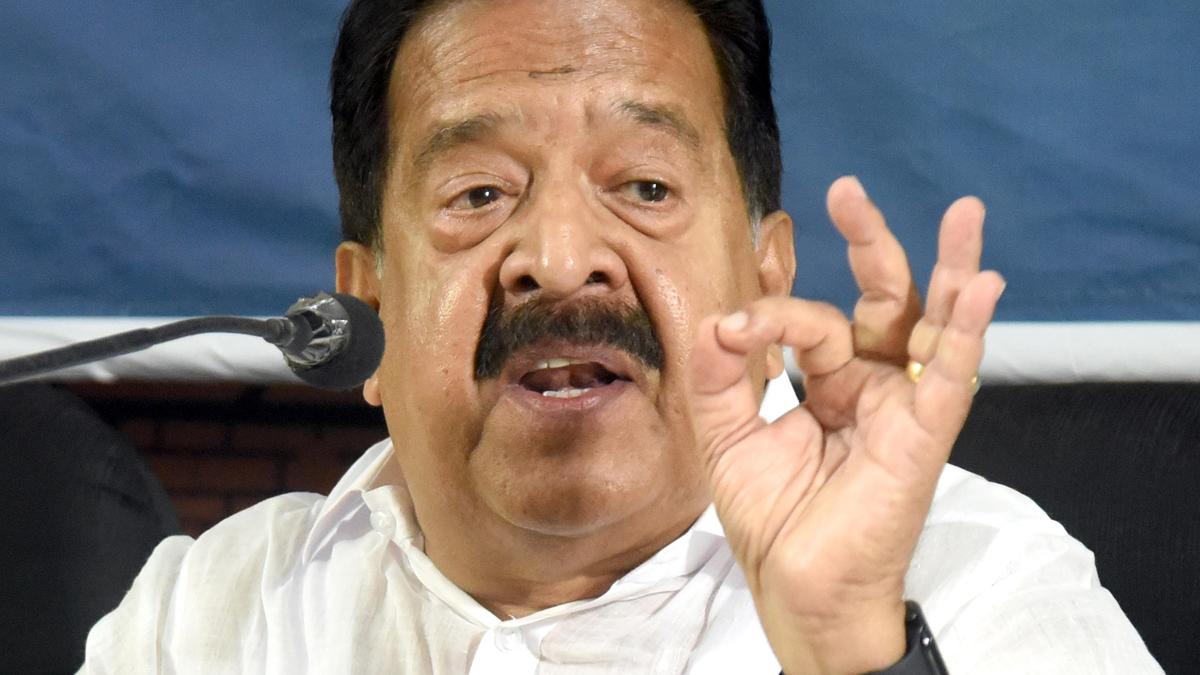
Senior Congress leader Ramesh Chennithala has launched a scathing attack on Kerala Chief Minister Pinarayi Vijayan, accusing him of tacitly supporting the Bharatiya Janata Party (BJP) and deliberately stoking communal divisions in the state. Speaking at a press conference on January 9, 2026, Chennithala alleged that Vijayan is emulating a “divide and rule” policy akin to the British, and is actively creating an environment conducive to the BJP’s growth in Kerala.
Chennithala specifically pointed to Vijayan’s repeated invocation of the Marad riots and the organization of events like the Global Ayyappa Summit as evidence of a strategy to appease majoritarian communalism. He criticized Vijayan for allegedly shifting from attempts to win minority votes by raising the Citizenship Amendment Act (CAA) issue to now focusing on majoritarian appeasement.
Key Points:
- Ramesh Chennithala accused Pinarayi Vijayan of acting in alignment with Narendra Modi’s wishes.
- Chennithala described the CPI(M) and BJP as “allies.”
- Vijayan is accused of adopting a “divide and rule” policy and “communally polarising” Kerala.
- Chennithala criticized Vijayan for repeatedly invoking the Marad riots.
- The CPI(M) is accused of appeasing both majoritarian and minority communalism for electoral gains.
- Chennithala cited Suresh Gopi’s victory in Thrissur and the BJP’s win in the Thiruvananthapuram Corporation as evidence of Vijayan aiding the BJP.
Critical Analysis:
The accusation of communal polarization takes on additional significance when juxtaposed against other news items from the same day. The report of a stepmother burning a child’s private parts in Kerala immediately sets a tone of violence and potential vulnerability within the state. Simultaneously, the opinion piece highlighting India’s mineral wealth for strategic independence creates a sense of national self-reliance and potential economic drivers for political agendas. These factors, when combined with Chennithala’s claims, suggest a complex interplay of societal vulnerabilities, economic aspirations, and political opportunism potentially exacerbating communal tensions for political gain.
Key Takeaways:
- Kerala’s political landscape is becoming increasingly polarized, with accusations of communal appeasement flying between major political players.
- The Congress party views the CPI(M)’s actions as detrimental to Kerala’s social fabric and beneficial to the BJP’s growth.
- Communal issues, particularly the Marad riots, are being used as political tools.
- The upcoming 2026 State Assembly elections are likely to be fought on a highly divisive and communal platform.
- The focus is shifting toward majoritarian appeasement after a perceived failure to capitalize on minority sentiments related to the CAA.
Impact Analysis:
The allegations made by Chennithala could have several long-term implications for Kerala’s political and social environment:
- Increased Communal Tensions: Public discourse dominated by communal narratives can exacerbate existing social fault lines and lead to increased polarization and potentially, social unrest.
- Shifting Political Alliances: The accusation of a tacit alliance between the CPI(M) and BJP, if it gains traction, could reshape political alliances in the state and alter the balance of power.
- Electoral Outcomes: The strategy of communal appeasement, whether perceived or real, can significantly influence electoral outcomes in the 2026 elections, potentially leading to a shift in government.
- National Implications: The success or failure of the BJP in gaining ground in Kerala could have broader implications for the party’s national strategy and its ability to expand its influence in traditionally non-BJP strongholds.
- Social Cohesion: constant exploitation of societal divisions can undermine social cohesion and trust among different communities, creating a more fragmented and unstable society in the long term.
 First Piper