
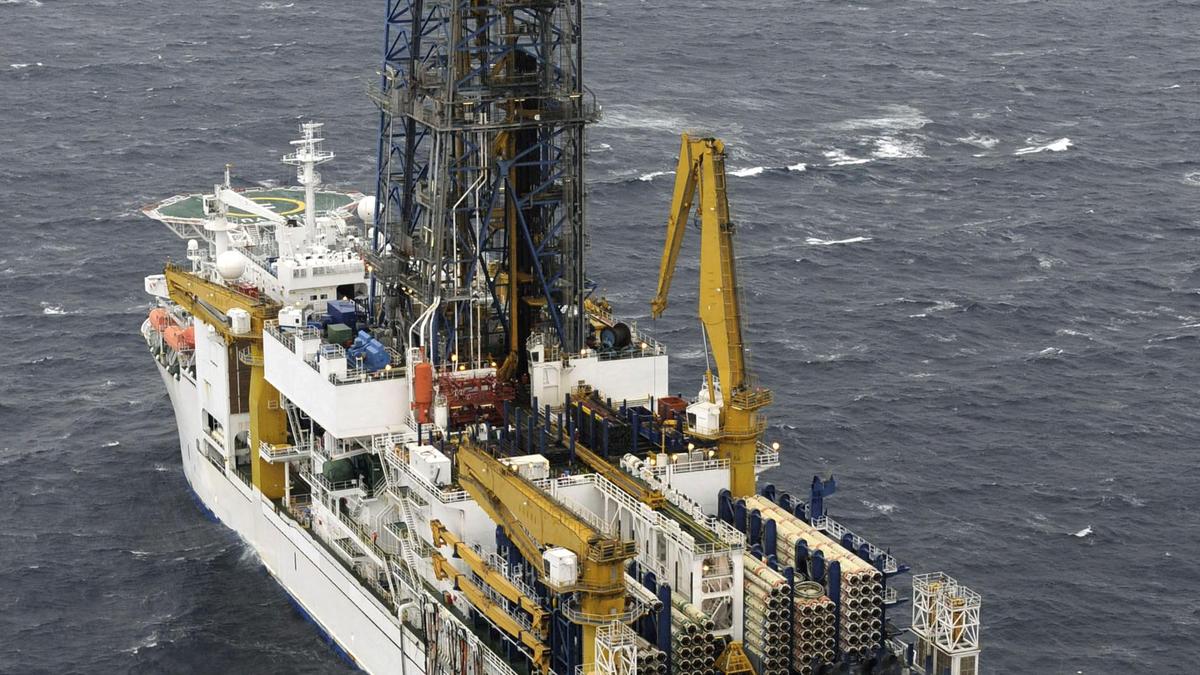
Fri Jan 09 08:35:33 UTC 2026: ### Japan Launches Deep-Sea Rare Earths Mining to Counter China’s Dominance
The Story:
Japan has initiated a deep-sea mining operation to extract rare earth minerals from the ocean floor near Minami Torishima island. The project, commencing on January 11, 2026, aims to reduce Japan’s dependence on China for these critical resources, which are vital for numerous industries including electric vehicles, electronics, and defense. This initiative follows heightened tensions between Japan and China, particularly after Prime Minister Sanae Takaichi’s statements regarding potential military intervention in Taiwan, and China’s subsequent restrictions on exports to Japan.
Key Points:
* Japan’s deep-sea mining operation is claimed to be the world’s first at a depth of 6,000 meters.
* The operation is focused on the waters surrounding Minami Torishima island, estimated to contain over 16 million tons of rare earths.
* The deposits are estimated to contain 730 years‘ worth of dysprosium and 780 years‘ worth of yttrium.
* China currently controls approximately two-thirds of rare earth mining production and 92% of refined output globally.
* China recently blocked exports of dual-use items to Japan, raising concerns about potential restrictions on rare earth supplies.
Critical Analysis:
The timing of this deep-sea mining venture is clearly linked to geopolitical tensions between Japan and China. Prime Minister Takaichi’s assertive stance on Taiwan, coupled with China’s export restrictions, appear to have accelerated Japan’s efforts to secure an independent supply of rare earths. China’s previous use of rare earth exports as leverage, particularly during the trade war with the Trump administration, has underscored the strategic vulnerability of relying on a single dominant supplier. The initiative also reflects a growing global trend of countries seeking to diversify supply chains to mitigate geopolitical risks.
Key Takeaways:
* Japan is actively seeking to reduce its dependence on China for rare earth minerals.
* Geopolitical tensions with China are a primary driver of Japan’s deep-sea mining efforts.
* China’s dominance in rare earth production creates strategic vulnerabilities for other nations.
* The project demonstrates a growing trend toward resource independence among industrialized nations.
Impact Analysis:
- Long-Term Geopolitical Shift: If successful, Japan’s deep-sea mining project could significantly alter the global rare earth market, diminishing China’s leverage and potentially leading to a more diversified and stable supply chain. This will have impacts on the pricing of critical components in many industries.
- Technological Advancement: The project will also spur innovation in deep-sea mining technology, potentially paving the way for similar ventures by other countries. This could further reduce reliance on traditional land-based mining, with potential environmental implications.
- Environmental Concerns: The expansion of deep-sea mining will undoubtedly trigger further scrutiny from environmental groups, raising questions about the ecological impact of disturbing the ocean floor and its ecosystems. This issue will need to be continuously balanced with strategic needs of many nations.
 First Piper