
Fri Jan 09 08:01:00 UTC 2026: ### Headline: Centre Opposes GST Reduction on Air Purifiers, Citing Constitutional Impermissibility
The Story:
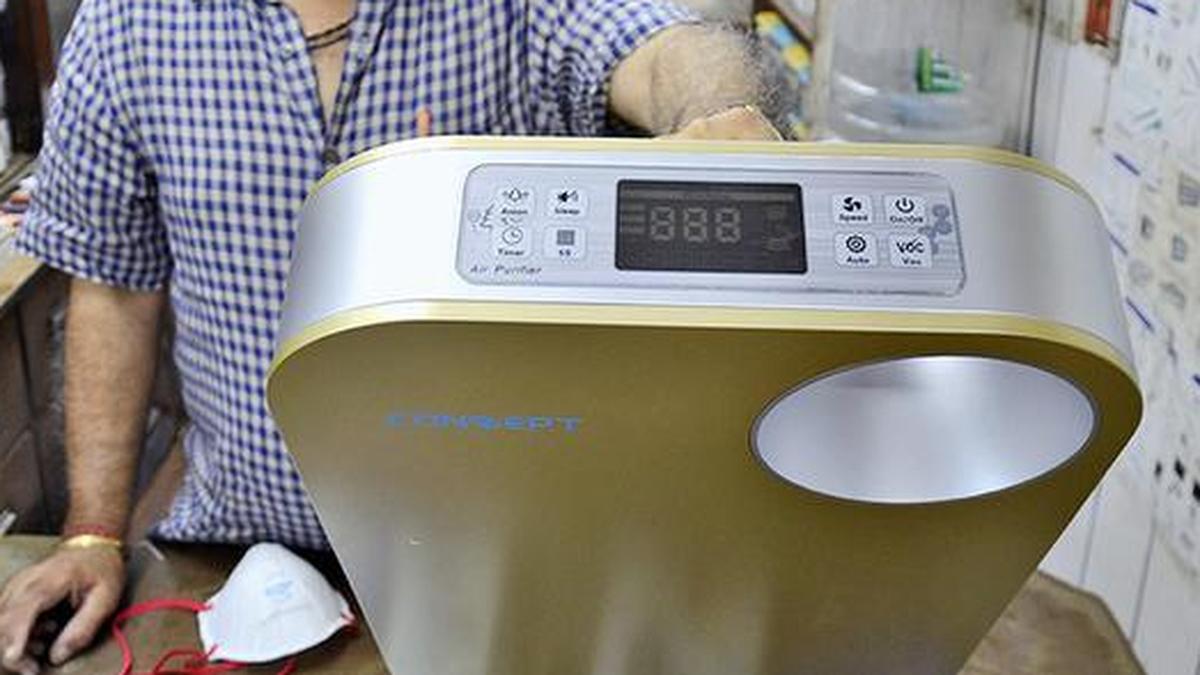
The central government has opposed a Public Interest Litigation (PIL) in the Delhi High Court seeking to classify air purifiers as “medical devices” and reduce the Goods and Services Tax (GST) rate on them from 18% to 5%. The government argues that judicial intervention in tax matters is constitutionally impermissible and would violate the doctrine of separation of powers. The PIL was filed in response to worsening air quality in Delhi and surrounding areas, with the petitioner arguing air purifiers are not luxury items given the current “extreme emergency crisis.” The court had previously questioned the Centre’s reluctance to lower GST rates and directed the GST Council to consider the matter.
Key Points:
- The Delhi High Court is hearing a PIL requesting air purifiers be classified as “medical devices” and subject to a 5% GST rate.
- The central government opposes the PIL, asserting that setting GST rates falls under the exclusive domain of the GST Council.
- The government argues that court intervention would undermine the constitutional framework and cooperative federalism.
- The Centre claims the PIL is a “colourable” and “motivated attempt” to secure regulatory reclassification for commercial advantage.
- The court previously expressed displeasure over the lack of tax exemptions on air purifiers, given the “very poor” Air Quality Index (AQI) in Delhi.
- The petitioner references a February 2020 notification under the Drugs and Cosmetics Act, claiming air purifiers qualify as medical devices.
Key Takeaways:
- The case highlights the tension between public health concerns related to air pollution and the government’s fiscal and constitutional prerogatives.
- The government’s resistance underscores its commitment to protecting the autonomy of the GST Council and the principles of cooperative federalism.
- The outcome of this case could have significant implications for the classification and taxation of other health-related consumer products.
- The legal battle reflects the ongoing debate on how to address the public health crisis caused by air pollution in Delhi.
- The Centre views the petition as less of a public interest concern and more of a way for companies to secure regulatory and commercial advantages.
 First Piper