
Fri Jan 09 04:07:08 UTC 2026: # AI Deepfakes Explode After Fatal ICE Shooting, Fueling Misinformation
The Story:
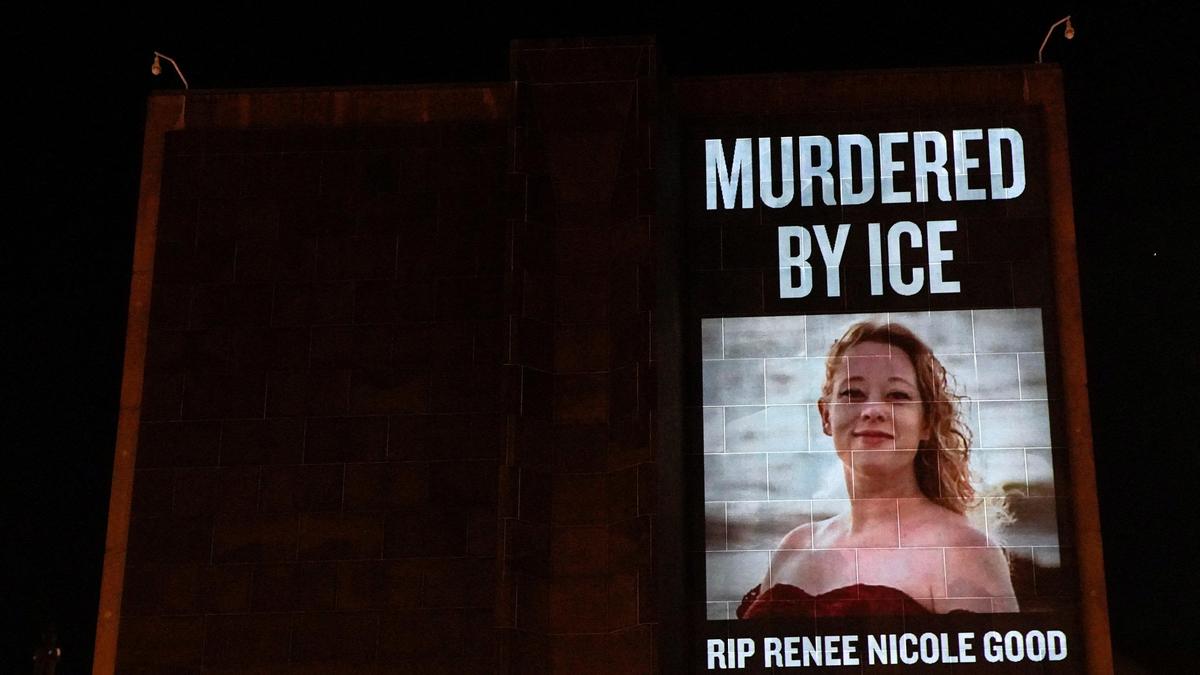
Following a fatal shooting in Minneapolis on Wednesday, January 8, 2026, involving an Immigration and Customs Enforcement (ICE) agent and 37-year-old Renee Nicole Good, AI-generated deepfakes flooded online platforms. These fabrications, primarily shared on Elon Musk‘s X platform, attempted to identify the masked agent and also digitally manipulated images of the victim. Experts are raising concerns about the rapid spread of “hallucinated” content and its impact on the information ecosystem.
Key Points:
- The victim, Renee Nicole Good, was fatally shot by masked ICE agents as she tried to drive away.
- AI deepfakes purporting to “unmask” the ICE agent circulated widely on social media, especially X.
- Claude Taylor, head of the anti-Trump political action committee Mad Dog, shared an AI-generated image, later claiming he deleted it after learning it was fake.
- Grok, the AI tool developed by Elon Musk‘s xAI, was used to create the deepfakes, including digitally undressing images of the victim.
- Experts warn that AI tools are increasingly used to “dehumanize victims” in the aftermath of crisis events.
- xAI responded to a request for comment from AFP with “Legacy Media Lies.”
Critical Analysis:
The fact that the primary article highlights the tool Grok, owned by Elon Musk, being used to digitally manipulate the victim is interesting. This is particularly relevant because it is mentioned that X, the social media platform also owned by Musk, has scaled back content moderation.
Key Takeaways:
- The accessibility and misuse of AI tools pose a significant threat to the integrity of information surrounding breaking news events.
- Social media platforms with weakened content moderation policies can amplify the spread of AI-generated misinformation.
- Deepfakes are being used to not only spread false information but also to dehumanize victims of tragic events.
- The incident underscores the challenges of verifying online content in the age of AI-generated media.
- The event exacerbates the existing polarization and distrust in media and online information.
Impact Analysis:
This incident signifies a concerning trend where AI is weaponized to create and disseminate misinformation in the immediate aftermath of significant news events. The rapid spread of deepfakes, fueled by partisan agendas and amplified by social media algorithms, has the potential to:
- Erode public trust in legitimate news sources: As manipulated content becomes more sophisticated and widespread, it becomes increasingly difficult for the public to distinguish between fact and fiction.
- Incense and exacerbate societal divisions: The biased use of AI-generated content can further polarize public opinion and incite violence.
- Obstruct Law Enforcement and Justice: False and manipulative information can make it much more difficult for law enforcement to accurately investigate such events.
- Lead to stricter regulations and censorship: In response to the proliferation of deepfakes, governments and social media platforms may implement stricter content regulations, which could potentially infringe on free speech.
 First Piper