
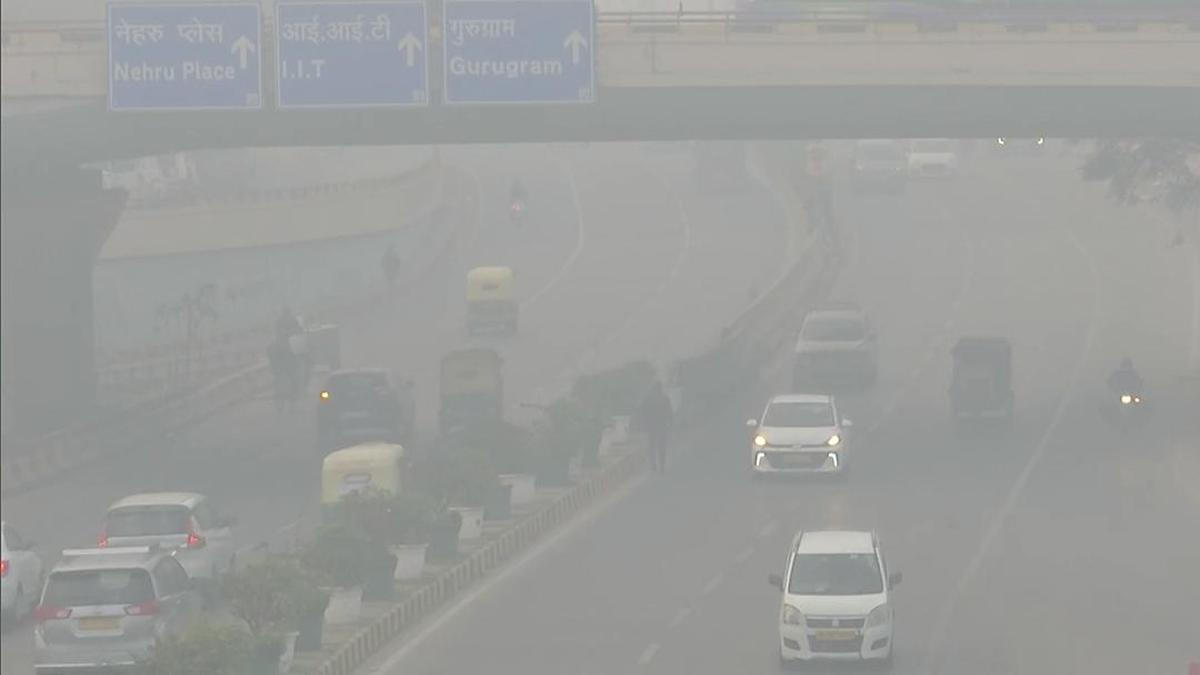
Fri Jan 09 11:12:08 UTC 2026: ### Headline: Chronic Air Pollution Grips 44% of Indian Cities, NCAP Inadequate
The Story:
A new analysis by the Centre for Research on Energy and Clean Air (CREA) reveals that nearly 44% of Indian cities face chronic air pollution, driven by persistent emission sources. The report, released on January 9, 2026, assessed PM2.5 levels in 4,041 Indian cities, finding that 1,787 exceeded the national annual standard for at least five years between 2019 and 2024, excluding the COVID-affected year of 2020. Despite the widespread problem, the National Clean Air Programme (NCAP) covers only 4% of these chronically polluted cities.
The analysis ranks Byrnihat (Meghalaya), Delhi, and Ghaziabad (Uttar Pradesh) as the most polluted cities in India. The report also points out the slow progress on PM10 control and highlights the inadequate allocation of funding towards crucial sectors like industries and domestic fuel use under NCAP.
Key Points:
- Nearly 44% of Indian cities face chronic air pollution.
- Only 4% of chronically polluted cities are covered under the NCAP.
- Byrnihat, Delhi, and Ghaziabad are the most polluted cities based on PM2.5 levels.
- Uttar Pradesh has the highest number of non-attainment cities (416).
- Road dust management accounts for 68% of NCAP spending, while critical areas like industries and domestic fuel use receive minimal funding.
- Out of the cities with CAAQMS, 100 reported 80% or higher PM10 levels
Key Takeaways:
- India’s air pollution crisis is far more extensive than currently addressed by the NCAP.
- The NCAP needs to be revised to include more chronically polluted cities and prioritize PM2.5 and its precursor gases.
- Funding allocation under the NCAP needs to be re-evaluated to focus on emission sources beyond road dust, such as industries and domestic fuel use.
- A more comprehensive, science-based approach, including stricter emission standards and regional airshed management, is crucial for effective air quality governance.
- The lack of adequate monitoring stations in NCAP cities hinders effective assessment and mitigation of air pollution.
Impact Analysis:
The CREA report serves as a stark reminder of the persistent and escalating air pollution crisis in India. The inadequate coverage of the NCAP suggests that the current approach is insufficient to tackle the problem effectively. If left unaddressed, this situation will continue to have significant long-term impacts on public health, economic productivity, and environmental sustainability. The report’s findings could prompt policy revisions, increased funding allocations, and a more targeted approach to combat air pollution at both national and regional levels. Furthermore, it may galvanize public pressure for more stringent environmental regulations and greater corporate accountability. The failure to address these issues effectively will likely lead to increased respiratory illnesses, reduced life expectancy, and a decline in the overall quality of life for millions of Indians.
 First Piper