
Thu Jan 08 14:49:56 UTC 2026: # Madurai Collects Over 3.5 Tonnes of E-Waste in Awareness Drive
The Story:
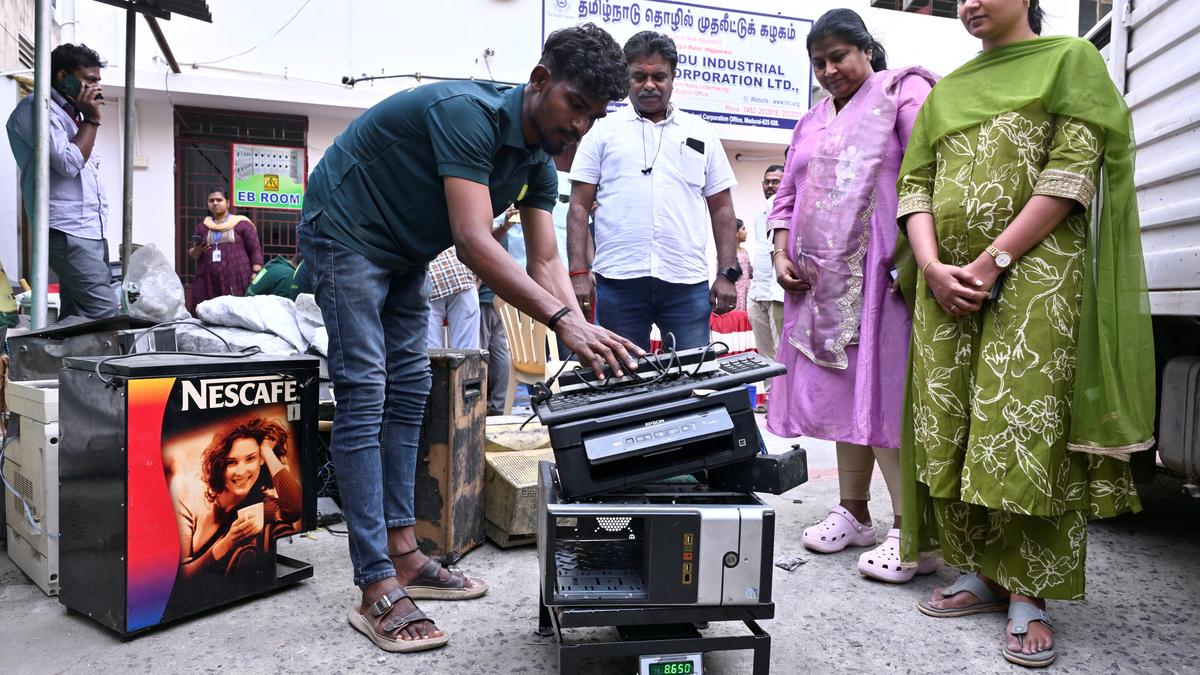
The Tamil Nadu Pollution Control Board (TNPCB) organized a successful e-waste collection drive in Madurai on Thursday, January 8, 2026. The initiative, held at MADITSSIA Hall, saw participation from NGOs, local bodies, and educational institutions, resulting in the collection of 3,586 kilograms of electronic waste. The drive aimed to educate the public about the importance of safe e-waste disposal to protect the environment.
An authorized e-waste recycling company from Chennai was present to register participants and collect the waste. Local bodies contributed nearly 1,000 kg of e-waste. TNPCB officials emphasized the potential harm caused by improper disposal due to toxic substances present in electronic items. They indicated that more such camps would be organized in the future.
Key Points:
- The TNPCB organized an e-waste collection drive in Madurai on January 8, 2026.
- 3,586 kilograms of e-waste were collected from individuals, NGOs, local bodies, and educational institutions.
- The drive aimed to educate the public about safe e-waste disposal practices.
- An authorized e-waste recycler from Chennai participated in the event.
- Officials highlighted the dangers of improper e-waste disposal due to toxic substances like lead, cadmium, and mercury.
Critical Analysis:
The context provided shows a pattern of waste management and environmental awareness in Tamil Nadu, specifically focusing on solid waste, food safety, and agricultural produce distribution. The e-waste collection drive fits into this broader narrative of environmental concern and public health initiatives. The need for such a drive suggests a growing awareness of e-waste challenges, possibly driven by increased consumer electronics usage and a desire for sustainable practices.
Key Takeaways:
- E-waste management is becoming an increasingly important issue in Tamil Nadu.
- Public awareness campaigns and collection drives are crucial for promoting safe e-waste disposal.
- Collaboration between government agencies, NGOs, and the private sector is essential for effective e-waste management.
- The high volume of e-waste collected indicates a significant potential risk to the environment and public health if not managed correctly.
- Continued efforts are needed to educate the public and provide accessible e-waste recycling facilities.
Impact Analysis:
The e-waste collection drive and similar initiatives have long-term implications for environmental sustainability and public health in Tamil Nadu. Proper e-waste management can prevent soil and water contamination, reduce air pollution, and protect human health from exposure to toxic substances. These efforts contribute to a circular economy by recovering valuable materials from e-waste, reducing the need for resource extraction. The increased public awareness will likely lead to higher participation rates in future e-waste management programs, further minimizing the environmental impact of electronic waste.
 First Piper