
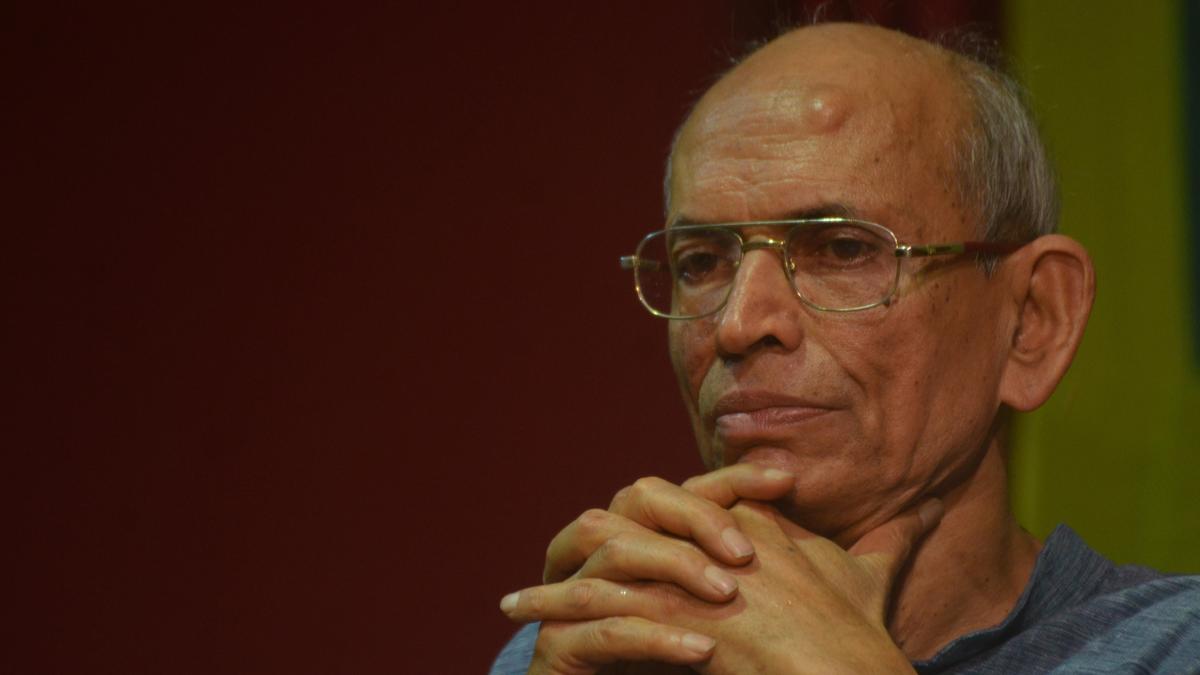
Thu Jan 08 06:30:56 UTC 2026: # Renowned Ecologist Madhav Gadgil Passes Away at 83
The Story:
Renowned ecologist Madhav Gadgil passed away on January 8, 2026, at the age of 83. Gadgil was widely recognized for his extensive work on the ecological significance of the Western Ghats. He headed the Western Ghats Ecology Expert Panel, also known as the Gadgil Committee, which provided crucial recommendations for safeguarding the fragile mountain range. In 2024, the United Nations honored him with the Champions of the Earth award, the U.N.’s highest environmental recognition, for his seminal work in the Western Ghats, a global biodiversity hotspot.
Gadgil maintained a close association with the IISc, Bengaluru, and played a pivotal role in establishing the Centre for Ecological Sciences there. His memoir, A Walk Up The Hill: Living with People and Nature, serves as an important record of India’s ecological battles, both triumphs and setbacks.
Key Points:
- Madhav Gadgil, a renowned ecologist, passed away on January 8, 2026, at the age of 83.
- He headed the Western Ghats Ecology Expert Panel (Gadgil Committee).
- The Gadgil Committee made significant recommendations for protecting the Western Ghats.
- He received the U.N.’s Champions of the Earth award in 2024.
- He helped establish the Centre for Ecological Sciences at IISc, Bengaluru.
- His memoir, A Walk Up The Hill: Living with People and Nature, documents India’s ecological journey.
Key Takeaways:
- Madhav Gadgil‘s death marks the loss of a significant figure in Indian ecology and environmental conservation.
- His work on the Western Ghats remains crucial for understanding and protecting this biodiversity hotspot.
- The Gadgil Committee’s recommendations provide a roadmap for sustainable development in ecologically sensitive regions.
- His legacy continues to inspire future generations of environmental scientists and conservationists.
Impact Analysis:
Madhav Gadgil‘s contributions have a lasting impact on India’s environmental policy and ecological awareness. His work with the Gadgil Committee highlighted the critical need for balancing development with environmental protection, particularly in fragile ecosystems like the Western Ghats. The report sparked intense debate and discussion, underscoring the complexities of implementing conservation measures in a developing nation.
Gadgil’s advocacy for community-based conservation approaches and his emphasis on ecological understanding will continue to influence environmental policy and research. His death serves as a reminder of the ongoing challenges facing India’s environment and the importance of continuing his work towards sustainable development and ecological preservation. His legacy will inspire future generations of environmental scientists and policymakers to prioritize ecological sustainability and responsible resource management.
 First Piper