
Thu Jan 08 00:00:00 UTC 2026: ### Jabarkhet Nature Reserve: A Decade of Conservation and a Model for Private Reserves in India
The Story:
An article published in The Hindu on January 8, 2026, explores the success of Jabarkhet Nature Reserve (JNR) near Mussoorie, Uttarakhand, as a model for privately owned and operated nature reserves in India. Ten years after its inception in 2015, JNR has demonstrated that it is possible to balance tourism with wildlife conservation, offering an alternative to crowded tiger reserves and potentially destructive mass tourism. The reserve’s success lies in its focus on restoring woodland, prioritizing wildlife, and involving local communities in its operations.
Key Points:
* Jabarkhet Nature Reserve (JNR) is Uttarakhand’s first privately owned and operated nature reserve, established in 2015.
* The reserve aims to conserve wildlife and habitat as its primary goal, offering an alternative to mass tourism models.
* In 2010, over 500 kg of garbage and three tonnes of Eupatorium weed were removed from the Jabarkhet Estate to begin restoration.
* JNR employs locals as guides and for maintenance, combining traditional knowledge with wildlife education.
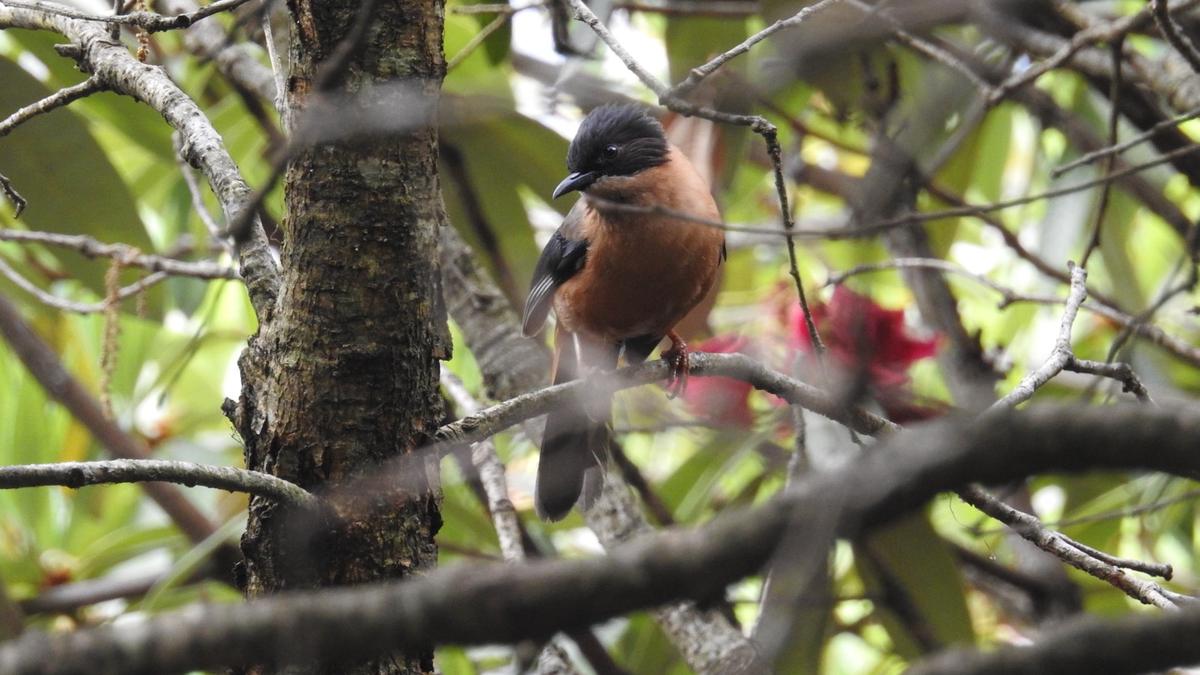
* The reserve boasts significant biodiversity, including insectivorous sundews, ground orchids, over 40 fern species, hundreds of fungi species, over 300 flower types, and over 150 bird species within approximately 100 acres.
* The article emphasizes the importance of saving natural habitats in the face of increasing mining and commercial projects in areas like the Himalayas and the Aravallis.
Critical Analysis:
The article highlights the increasing pressure on natural habitats due to development and tourism, making the success of JNR all the more significant. The success of JNR seems like an antidote to the trends highlighted in other news events today. The article posits JNR as a model that could counteract the loss of natural habitats due to mining and other commercial projects.
Key Takeaways:
- Private nature reserves, like JNR, can offer a viable model for balancing tourism with conservation in India.
- Community involvement is crucial for the success of such reserves, providing both employment and a sense of stewardship.
- The protection of natural habitats is essential in the face of increasing development and commercial exploitation.
- JNR’s success lies in prioritizing wildlife and natural restoration over artificial beautification and mass tourism.
- Private reserves can play a significant role in preserving biodiversity and providing refuge for wildlife in increasingly fragmented landscapes.
Impact Analysis:
The success of JNR has potentially long-term implications for conservation efforts in India. The article underscores a shift towards more responsible and sustainable tourism models, which could reduce environmental impact and benefit local communities. If other private reserves adopt the JNR model, it could lead to a significant increase in protected areas and a reduction in habitat loss. It also demonstrates the potential for private initiatives to contribute to national conservation goals. This could influence government policies and encourage the development of regulations that support private conservation efforts.
 First Piper