
Wed Jan 07 19:45:14 UTC 2026: ### E-Rickshaw Regulation Plea Heard by Delhi High Court After Fatal Accident
The Story:
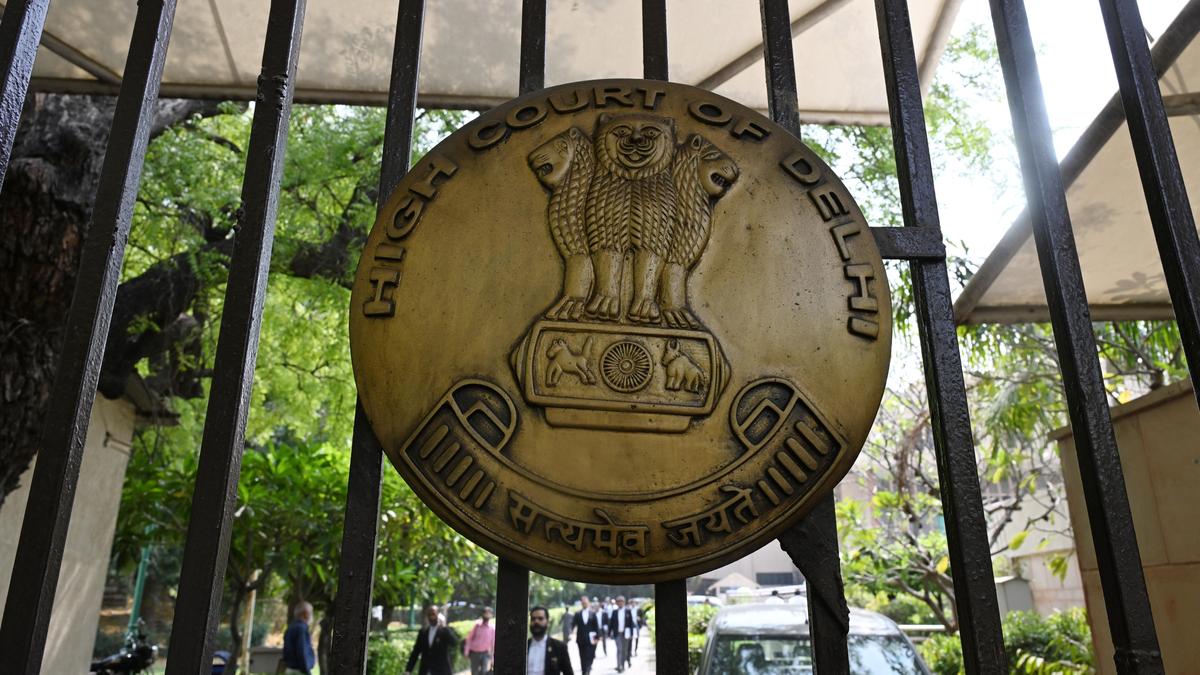
The Delhi High Court has directed the Delhi government and traffic police to respond to a public interest litigation (PIL) seeking regulation of e-rickshaws in the capital. This action comes after the death of an eight-year-old girl in 2025, crushed by an overturned, speeding, and uninsured e-rickshaw operating on a prohibited road. The petition highlights the “unchecked proliferation” of these vehicles and the dangers they pose due to lack of regulation and adherence to safety standards.
Key Points:
- The Delhi High Court is hearing a PIL concerning the regulation of e-rickshaws.
- The PIL was filed after an eight-year-old girl died in an e-rickshaw accident in 2025.
- The petition cites 108 accidents involving e-rickshaws between January 1 and August 20, 2025, resulting in 26 deaths and 130 injuries.
- A Delhi Gazette notification prohibits e-rickshaws from plying on 236 specified roads, but this is often ignored.
- The court has issued notices to the Delhi government, transport department, traffic police, and the Municipal Corporation of Delhi, demanding information on measures taken regarding e-rickshaws.
Key Takeaways:
- The lack of regulation surrounding e-rickshaws in Delhi has resulted in serious safety concerns and fatal accidents.
- Despite existing restrictions on e-rickshaw routes, enforcement remains a significant problem.
- Public pressure, triggered by tragic incidents, is pushing the judiciary to intervene and demand accountability from the government and relevant authorities.
- The case highlights the ongoing challenges of balancing informal transportation solutions with public safety in densely populated urban areas.
Impact Analysis:
This case could have far-reaching implications for the regulation of e-rickshaws in Delhi and potentially other cities in India. A favorable ruling for the petitioner could lead to stricter enforcement of existing regulations, the implementation of new safety standards for e-rickshaws, and increased accountability for government agencies. It may also spur the formalization of the e-rickshaw sector, including mandatory insurance and registration requirements. The long-term impact could be a safer transportation environment for both passengers and pedestrians, although it might also affect the livelihoods of e-rickshaw drivers if regulations are overly restrictive.
 First Piper