
Wed Jan 07 20:19:11 UTC 2026: ### Trump Administration Considers Purchasing Greenland, Doesn’t Rule Out Force
The Story:
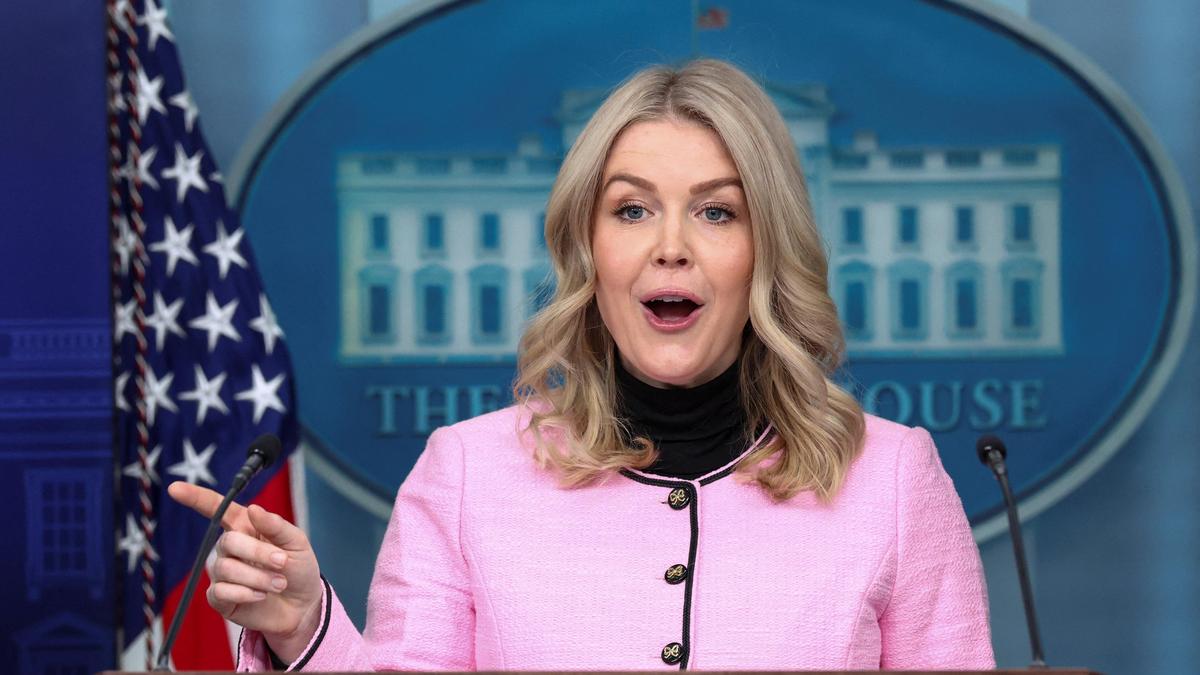
The Trump administration is actively discussing a potential U.S. purchase of Greenland, White House Press Secretary Karoline Leavitt stated on January 7, 2026. While diplomacy is presented as the primary option, the possibility of acquiring the territory by force has not been ruled out, a stance that is raising tensions with NATO allies. The administration justifies the potential acquisition by citing strategic interests in the Arctic region and the need to counter Russian and Chinese aggression.
Key Points:
- President Donald Trump is considering purchasing Greenland for its mineral resources.
- The administration has not ruled out the possibility of taking Greenland by force.
- Karoline Leavitt stated that “all options are always on the table for President Trump.”
- The White House argues that acquiring Greenland would enhance U.S. control over the Arctic and deter Russian and Chinese aggression.
- Trump reiterated U.S. support for NATO, emphasizing that Russia and China fear the alliance as long as the U.S. remains a member.
Critical Analysis:
The provided context reveals a clear escalation in the discussion surrounding Greenland. Initially, the focus was on countering Russia and China in the Arctic, as indicated by the “White House Says Greenland Critical To Counter Russia, China In Arctic” headline. However, the narrative has quickly shifted towards more aggressive considerations, including the possibility of seizing Greenland by force (“Greenland allies vow action if Trump moves to seize world’s largest island“) and even Senator Rubio suggesting military options (“Rubio: Seizing Greenland by ‘military means’ an option for US“). The strong negative reactions from political figures, such as “Bacon on suggestion US will take Greenland: ‘Appalling’” and a GOP senator criticizing Stephen Miller’s comments, further underscore the controversial nature of these discussions and the potential for significant backlash both domestically and internationally.
Key Takeaways:
- The U.S. strategic interest in the Arctic, particularly concerning Russia and China, is a driving factor behind the Greenland discussions.
- The administration’s ambiguous stance on using force creates uncertainty and raises concerns among NATO allies.
- The issue is highly divisive, sparking strong reactions from both supporters and opponents.
- The potential acquisition of Greenland represents a significant shift in U.S. foreign policy and could have major geopolitical implications.
Impact Analysis:
The long-term implications of this situation could be substantial. If the U.S. pursues the acquisition of Greenland, whether through diplomacy or force, it could:
- Strain relations with Denmark and other NATO allies: The threat of force, in particular, could damage trust and cooperation within the alliance.
- Escalate tensions with Russia and China: Increased U.S. presence in the Arctic could be perceived as a direct threat, leading to a build-up of military assets in the region.
- Transform the geopolitical landscape of the Arctic: The acquisition could give the U.S. significant influence over Arctic resources and shipping lanes, reshaping the balance of power in the region.
- Set a precedent for territorial disputes: Using force to acquire territory could embolden other nations to pursue similar actions, destabilizing international relations.
 First Piper