
Wed Jan 07 18:32:43 UTC 2026: # Medical Education in India Set for Major Overhaul: For-Profit Colleges Now Allowed
The Story:
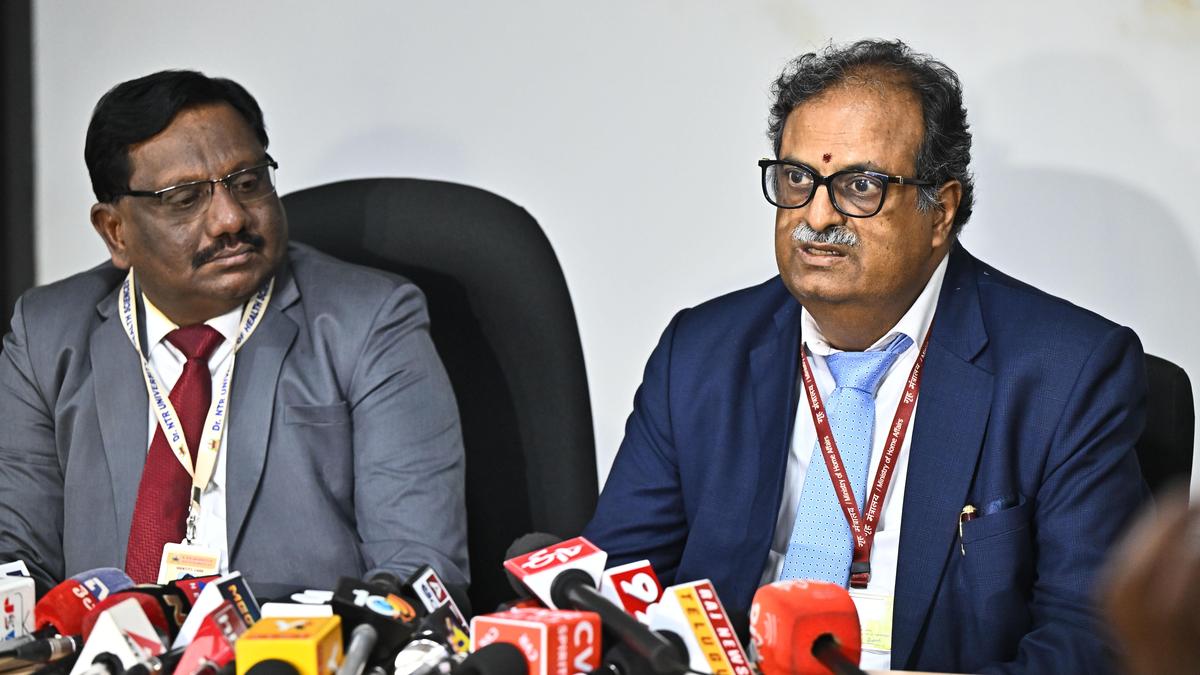
The National Medical Commission (NMC) has announced a significant policy shift, lifting the restriction that previously allowed only non-profit organizations to establish medical colleges. Chairman Abhijat Chandrakant Sheth revealed this change on Wednesday, January 7, 2026, at Dr. NTR University of Health Sciences in Vijayawada, stating that both non-profit and for-profit entities can now run medical colleges under Public Private Partnerships (PPP). The NMC believes this move will lead to more efficient use of resources and improve medical education. Further plans include mandatory clinical research, embracing AI and digital healthcare, and simplified accreditation processes for medical colleges.
Key Points:
- The NMC has removed the regulation limiting medical college establishment to non-profit Section 8 companies.
- For-profit companies are now permitted to run medical colleges under PPP.
- The NMC believes PPP will lead to efficient resource utilization in medical education.
- Clinical research, including AI and digital healthcare, will become mandatory.
- Accreditation processes for medical colleges will be simplified to prevent delays.
- A new ‘Family Medicine’ initiative is being introduced to address the shortage of doctors in smaller hospitals.
- Each government medical college will receive ₹50 lakh per year for research and ₹25 lakh for sports development.
Critical Analysis:
* While there is no immediately obvious link to other provided headlines, the removal of restrictions on for-profit entities opening medical colleges can be seen in the context of the need to rapidly expand healthcare infrastructure in India, particularly to meet the needs of rural and underserved populations. The focus on AI and digital health also indicates an attempt to modernize the medical sector.
Key Takeaways:
- The Indian medical education landscape is poised for significant change with the introduction of for-profit medical colleges.
- The NMC is actively promoting Public Private Partnerships to enhance medical education resources.
- Emphasis is being placed on modernizing medical education through clinical research, AI integration, and digital healthcare.
- Efforts are underway to address the shortage of doctors, particularly in smaller hospitals, through the ‘Family Medicine’ initiative.
- Increased investment in research and sports development in medical colleges signals a holistic approach to medical education.
Impact Analysis:
This policy shift could have significant long-term impacts on the Indian healthcare system. Allowing for-profit entities to run medical colleges could potentially lead to an increase in the number of medical graduates. However, concerns about the quality of education and potential for commercial exploitation need to be carefully addressed. The focus on modern technology in the curriculum is likely to improve the skills and capabilities of future doctors, preparing them for the evolving landscape of healthcare. The emphasis on PPP could lead to better infrastructure and resources, particularly in under-served areas. However, vigilant oversight and regulatory mechanisms are crucial to ensure equitable access to quality medical education and healthcare services.
 First Piper