
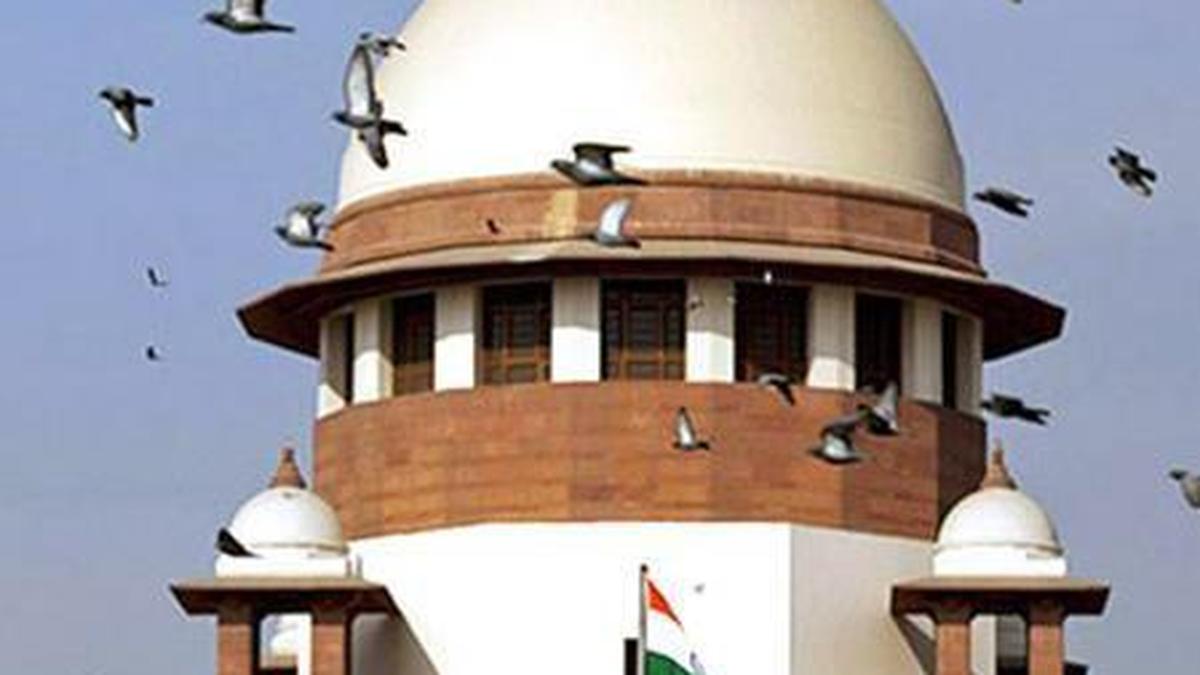
Thu Jan 08 17:18:46 UTC 2026: # Supreme Court Demands Honesty and Transparency from Union and States Regarding Private Universities
The Story
On January 8, 2026, the Supreme Court strongly urged the Union and State governments to be forthright about the establishment and operation of private universities in India. During the hearing, a Bench headed by Justice Ahsanuddin Amanullah expressed its displeasure with the Centre for failing to submit an affidavit affirmed by the Union Cabinet Secretary, as previously ordered in November 2025. The court also issued notices to the Chief Secretaries of several states, demanding explanations for either not filing affidavits or for providing incomplete information regarding private universities within their jurisdictions.
The court emphasized it was not on a “witch-hunt” but rather acting in the public interest to ensure the proper functioning and regulation of private educational institutions. The case originated from a petition filed by a student, Ayesha Jain, against Amity University, alleging harassment related to her name change.
Key Points
- The Supreme Court pulled up the Centre for not filing an affidavit affirmed by the Union Cabinet Secretary as directed in November 2025.
- Notices were issued to Chief Secretaries of States who failed to file affidavits or ensure legal representation.
- States that filed affidavits with incomplete information were granted time to submit additional affidavits.
- The Supreme Court stressed the importance of honesty and transparency in the operation of private universities.
- The case originated from a student’s petition against Amity University, alleging harassment related to a name change.
- The next hearing is scheduled for January 28, 2026.
Critical Analysis
The Supreme Court’s firm stance reflects growing concerns about the governance and oversight of private universities in India. The demand for personal affidavits from top government officials underscores the seriousness with which the court views the issue. The related historical context includes concerning news of state-run universities. The Governor of Tamil Nadu is worried about State-run universities, and Satavahana University has allotted land to build a police station.
Key Takeaways
- The Supreme Court is taking a proactive role in ensuring accountability and transparency in the private education sector.
- The court expects full compliance from both the Union and State governments regarding information disclosure.
- The case highlights potential issues of mismanagement and harassment within private universities.
- The Court’s emphasis on “public interest” and “general benefit of the system” underscores the importance of education in the nation’s future.
- Failure to comply with court orders can result in significant consequences for government officials.
Impact Analysis
This case is likely to have a significant long-term impact on the regulation of private universities in India. The Supreme Court’s scrutiny will likely lead to greater transparency and accountability in the sector. The outcome of the case could set a precedent for future legal challenges against private educational institutions and strengthen the regulatory framework governing their operations. It may also prompt the government to re-evaluate the policies and procedures related to the establishment and oversight of private universities.
 First Piper